


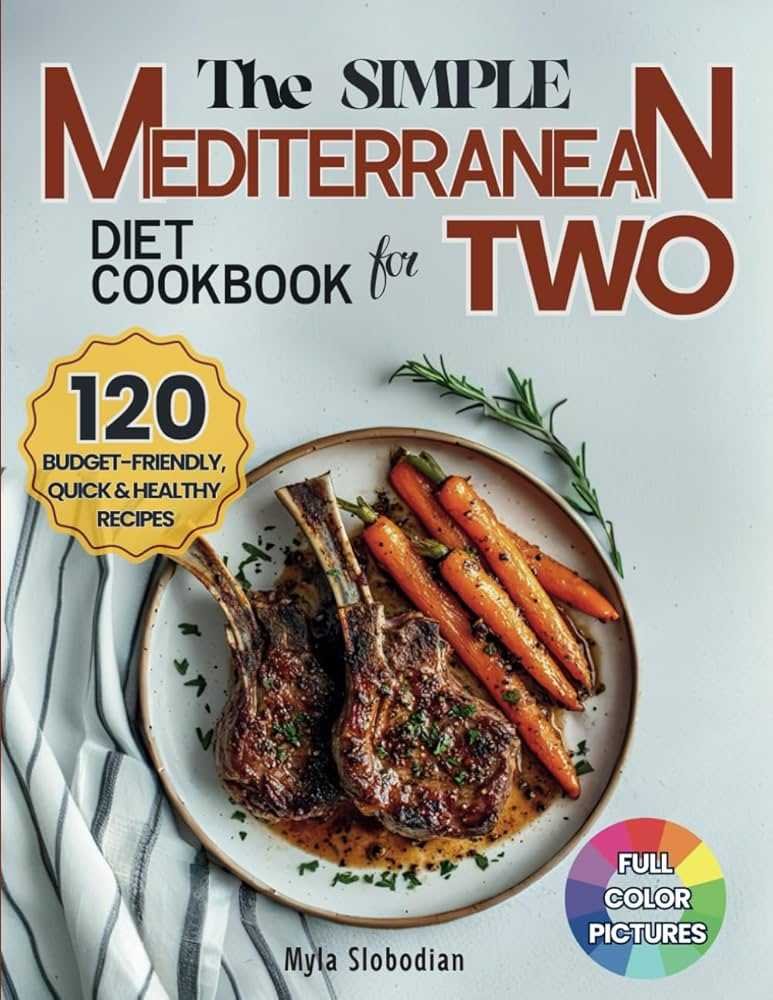
Want to shed pounds without breaking the bank? Creating budget-friendly meals for weight loss is entirely doable with a little planning and smart shopping. Focus on inexpensive, nutrient-dense ingredients like beans, oats, frozen vegetables, and eggs, and learn to prepare tasty, filling dishes that support your weight loss goals. By choosing whole foods over processed options and cooking at home more often, you can save money while staying on track with your health. In this article, you’ll discover practical tips and simple recipes to help you eat well without overspending, making your weight loss journey both affordable and enjoyable.
Cutting costs while losing weight is achievable by selecting affordable, healthy ingredients, planning meals ahead of time, and cooking in bulk. Focus on nutritious staples like legumes, grains, seasonal produce, and lean proteins, which provide volume and essential nutrients without a hefty price tag. By preparing your own meals and avoiding costly takeouts or processed foods, you’ll find it easier to maintain a budget-friendly, weight-loss-friendly diet. These strategies empower you to enjoy delicious, filling meals daily while keeping your expenses low.

How to Make Budget Friendly Meals for Weight Loss
Understanding the Basics of Budget-Friendly Weight Loss Meals
Making affordable meals that support weight loss starts with choosing the right ingredients. Focus on simple, whole foods like vegetables, grains, and lean proteins. These items are often inexpensive and provide essential nutrients needed for a healthy weight loss journey.
Choosing seasonal produce can significantly cut costs. Seasonal fruits and vegetables are cheaper and fresher, making your meals both affordable and tasty. Planning your meals around sales and discounts at local stores can save you even more.
Remember, cooking at home is always more budget-friendly than eating out. Preparing your own meals gives you control over ingredients and portion sizes, helping you stick to your weight loss goals without overspending.
Smart Shopping Tips for Budget Weight Loss Meals
Create a shopping list before heading to the grocery store. This helps you avoid impulse buys that can increase your expenses and derail your diet plan. Stick to your list to ensure you purchase only what you need.
Consider buying in bulk for staples like rice, oats, and beans. Bulk buying often lowers the cost per serving, allowing you to make more meals with less money. Store these items properly to keep them fresh for longer.
Compare prices across different stores and look for sales on healthy ingredients. Use store flyers or apps to find discounts on meats, vegetables, and other essentials. Purchasing frozen fruits and vegetables can also be cheaper and just as nutritious as fresh options.
Meal Planning and Preparation for Cost Savings
Meal planning is a key step in saving money while maintaining a nutritious diet. Dedicate some time each week to plan your meals based on affordable ingredients and your weight loss targets.
Batch cooking allows you to prepare multiple meals at once. Prepare large quantities of soups, stews, or salads that can be divided into portions for several days. This reduces waste and saves time and money.
Use versatile ingredients across multiple meals. For example, roasted chicken can be used in salads, wraps, or stir-fries, maximizing your grocery budget. Store prepared ingredients properly to avoid spoilage.
Healthy and Budget-Friendly Protein Sources
Proteins are vital for feeling full and supporting muscle growth during weight loss. Excellent budget options include eggs, canned tuna, and beans. These sources are affordable, nutritious, and easy to incorporate into meals.
Legumes like lentils and chickpeas are rich in protein and fiber. They are inexpensive and can be used in soups, salads, or veggie bowls. Their high fiber content aids digestion and keeps you feeling full longer.
Lean meats such as chicken breasts are cheaper when bought in bulk or on sale. Consider using ground turkey or pork as alternatives that are often more affordable than beef. Incorporate plant-based proteins regularly for variety and cost savings.
Incorporating Cost-Effective Carbohydrates
Carbohydrates provide energy needed for daily activities and workouts. Whole grains like brown rice, oats, and whole wheat bread are affordable and healthy options. These foods are high in fiber, helping with digestion and weight management.
Sweet potatoes are another budget-friendly carbohydrate source. They are filling, nutritious, and versatile for different recipes. Including starchy vegetables in your diet adds variety and keeps meals interesting.
Limit processed carbs like white bread and pastries, which tend to be more expensive and offer less nutritional value. Focus on natural, minimally processed grains to support your weight loss efforts and budget.
Healthy Fats That Won’t Break the Bank
Fats are essential but should be consumed in moderation. Budget-friendly sources include olive oil, nuts, and seeds. Use olive oil for cooking or drizzling over salads for heart-healthy benefits.
Adding small portions of nuts and seeds to meals or snacks provides healthy fats and satiety. Buying these in bulk reduces cost and ensures you have a steady supply.
Avoid expensive processed snack foods high in unhealthy fats. Instead, incorporate avocados or homemade nut butters for a nutritious and affordable way to include healthy fats in your diet.
Creative Ways to Make Meals More Budget-Friendly and Tasty
Experiment with herbs and spices to add flavor without extra cost. Use garlic, onion, paprika, and cumin to enhance dishes and keep meals exciting.
Utilize leftovers creatively. For example, leftover grilled chicken can become a filling for wraps or salads, reducing waste and saving money.
Incorporate seasonal vegetables into your recipes to enhance flavor and nutritional value without increasing costs. Roasted vegetables, stir-fries, and soups are great ways to use seasonal produce.
Sample Budget-Friendly Weight Loss Meal Ideas
- Vegetable Stir-Fry with Brown Rice: Use frozen mixed vegetables, tofu or chicken, and soy sauce for a quick, affordable meal.
- Oatmeal with Fruits and Nuts: Combine oats with fresh or frozen berries and a sprinkle of nuts for a filling breakfast.
- Chickpea Salad Wraps: Mash chickpeas with spices, add chopped veggies, and wrap in whole wheat tortillas.
- Soup with Lentils and Vegetables: Prepare a large pot of lentil soup with carrots, celery, and tomatoes for several servings.
- Egg and Veggie Breakfast Muffins: Bake eggs with spinach, peppers, and onions in muffin tins for quick morning meals.
Shopping List for Budget-Friendly Weight Loss Meals
| Staples | Proteins | Carbohydrates | Fats & Spices |
|---|---|---|---|
| Brown rice, oats, whole wheat bread | Eggs, canned tuna, dried or canned beans | Sweet potatoes, frozen vegetables, seasonal produce | Olive oil, nuts, seeds, garlic, spices |
Keeping Your Meals Budget-Friendly and Nutritious
Focus on balanced meals with proteins, carbs, and healthy fats. Keep portions reasonable to avoid waste and over-consumption. Drink plenty of water and minimize processed foods to stay within your budget.
Track your expenses and plan your meals based on weekly sales and discounts. Consistency is key to maintaining a budget-friendly, nutritious weight loss diet.
By following these tips, you can enjoy delicious, satisfying, and affordable meals that support your health and weight loss journey. Remember, small changes and planning can make a significant difference in your budget and results.
CHEAP Weight Loss Meal Prep (How To Eat Healthy On a Budget)
Frequently Asked Questions
What are some affordable ingredients I can use to prepare healthy meals for weight loss?
To keep meals budget-friendly and nutritious, focus on ingredients like beans, lentils, brown rice, oats, frozen vegetables, and seasonal produce. These items are inexpensive, versatile, and rich in nutrients. Incorporating affordable proteins such as eggs, canned tuna, and chicken thighs can also help you maintain a healthy diet without overspending.
How can I plan meals to minimize waste and save money while aiming for weight loss?
Plan your meals weekly by creating a shopping list based on recipes that utilize similar ingredients. This approach reduces impulse purchases and prevents food waste. Batch cooking and freezing leftovers help stretch your ingredients further, ensuring you have healthy options ready without needing to buy new items frequently.
Are there specific cooking methods that make healthy meals more affordable for weight loss?
Opt for simple cooking methods like boiling, steaming, or stir-frying to preserve nutrients and reduce the need for expensive ingredients or cooking aids. These methods often require less oil and energy, helping you save both money and calories while preparing tasty, healthy dishes.
How can I incorporate more plant-based meals to save costs and support weight loss?
Introduce plant-based meals such as vegetable stir-fries, bean stews, and salads, which tend to be cheaper than meat-based dishes. Using legumes, grains, and seasonal vegetables provides essential nutrients at a lower cost, and reducing meat consumption can significantly cut your grocery bills while aiding weight management.
Final Thoughts
In summary, making budget-friendly meals for weight loss revolves around planning and choosing affordable ingredients. Focus on whole grains, seasonal vegetables, and lean proteins to keep costs low. Opt for simple recipes that minimize waste and maximize flavor. Consistently applying these strategies helps you stay on track without overspending while achieving your health goals.
As an Amazon Associate, We earn from qualifying purchases. When you purchase a product through Amazon links on pulsefitguide.com, we may earn a small commission at no extra cost to you. This helps support the site and keep our content free.
