


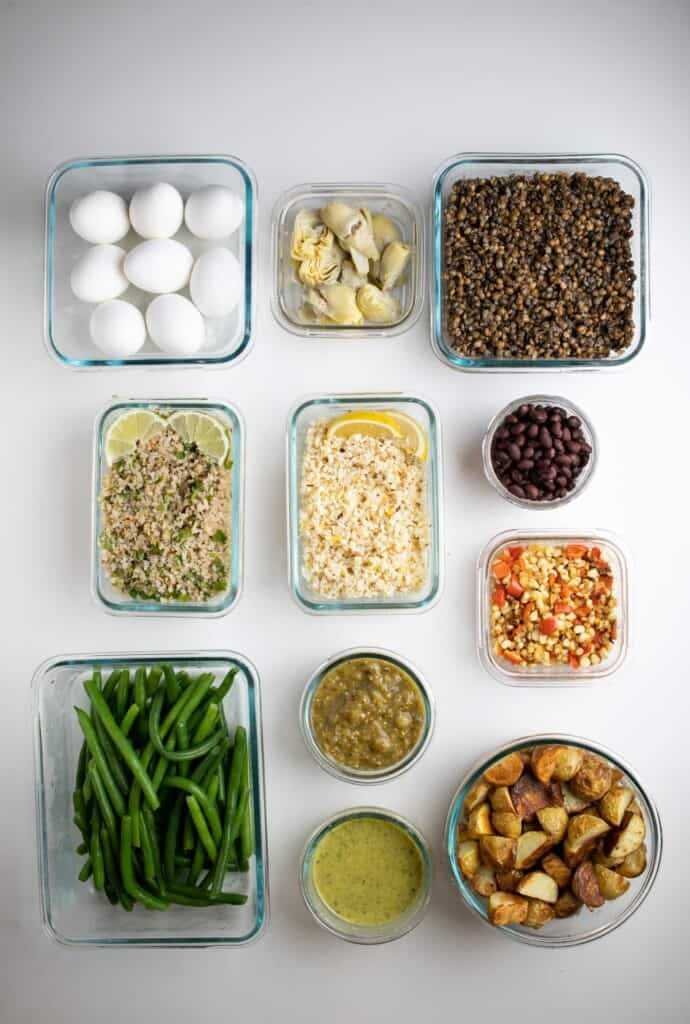
Batch cooking is a game-changer for busy weeknights, saving you time and reducing stress. With just a little planning, you can prepare healthy, delicious meals in one go, so dinner is ready when you are. The key is to choose versatile recipes, set aside a dedicated cooking session, and store your meals properly. This approach not only streamlines your week but also helps you stick to your nutrition goals and minimizes food waste.
To batch cook meals for the week, start by selecting recipes that can be easily cooked in large quantities and store well, such as soups, stews, or casseroles. Dedicate a few hours on the weekend or a free evening to prepare everything in advance, portion it out into containers, and keep it refrigerated or frozen. This simple routine makes weeknights effortless and keeps you fueled with homemade goodness.
Getting started with batch cooking might seem overwhelming at first, but with a little organization, it becomes a straightforward and rewarding habit. Think of it as setting yourself up for success by making your future self’s life easier. In this article, I’ll share practical tips and step-by-step guidance on how to efficiently batch cook meals for the week, so you can enjoy nutritious, homemade food without the daily scramble.

How to Batch Cook Meals for the Week
Understanding the Benefits of Batch Cooking
Batch cooking helps save time and reduces stress during busy weekdays. It allows you to prepare multiple meals in one go, so you won’t have to cook from scratch every day. Plus, it can save money by buying ingredients in bulk and minimizing food waste.
Planning Your Meal Prep Strategy
Before starting, decide which meals you want to prepare for the week. Think about breakfast, lunch, dinner, and snacks. Make a list of recipes that can be stored well and reheat easily. Use a meal plan calendar to organize your options and ensure variety.
Selecting the Right Recipes for Batch Cooking
Choose recipes that store well in the fridge or freezer. Avoid dishes that become soggy or loss flavor after reheating. Some great options include stews, casseroles, roasted vegetables, and cooked grains. Focus on recipes with similar ingredients to streamline your shopping and prep.
Creating a Shopping List for Efficient Prep
Make an organized shopping list based on your selected recipes. Group ingredients by category—produce, dairy, grains, proteins—to speed up shopping. Check your pantry first to avoid duplicate purchases and keep your budget in check.
Preparing Your Kitchen and Tools
Clear your workspace to make cooking easier. Gather necessary kitchen tools like large pots, baking sheets, storage containers, and knives. Invest in good quality containers that are microwave and freezer-safe, to store your meals efficiently.
Batch Cooking Step-by-Step
Start with washing, peeling, and chopping ingredients. Cook proteins such as chicken or beef in bulk using your preferred methods—grilling, baking, or stovetop. Prepare grains like rice, quinoa, or pasta in large quantities. Roast or sauté vegetables to serve as sides or ingredients.
Cooking Proteins
Cooking proteins in large batches is time-efficient. Season generously before cooking for more flavor. Use a meat thermometer to ensure they reach the right internal temperature for safety.
Preparing Grains and Legumes
Cook grains in large pots with plenty of water. Use a rice cooker or stovetop, and consider using broth for extra flavor. For legumes like beans, soak overnight and cook until tender for easy incorporation into meals.
Roasting or Sautéing Vegetables
Cut vegetables uniformly for even cooking. Roast them at 400°F (200°C) with some oil, salt, and herbs for about 20-30 minutes. Sauté vegetables on the stovetop for a quick and tasty side dish.
Storage and Portioning
Divide cooked foods into single or family-sized portions using containers. Label each with the date and meal type. Store meals in the fridge for up to four days or freeze for longer storage. Use airtight containers to prevent freezer burn and keep flavors fresh.
Reheating and Serving Tips
Reheat meals thoroughly using a microwave or stovetop. Add fresh garnishes or sauces to enhance flavor. Keep some fresh vegetables or salads on hand for a balanced meal. Use reusable containers to reduce waste and maintain food quality.
Maintaining a Batch Cooking Routine
Set aside a specific day each week for meal prep—usually Sunday works well. Make it a relaxing, enjoyable activity by listening to music or involving family members. Consistent planning helps keep your fridge stocked and your meals varied.
Batch Cooking Tips for Success
- Start small if you’re new to batch cooking and increase gradually.
- Focus on simple recipes that you already enjoy eating.
- Use versatile ingredients that can be used in multiple dishes.
- Stay organized by labeling containers and keeping a meal schedule.
- Involve the family to lighten the prep workload and add fun to the process.
Addressing Common Challenges
Some foods lose texture or flavor after freezing. To minimize this, use proper storage and consider adding fresh herbs or sauces after reheating. If you’re short on time, prep ingredients in advance and cook only certain components.
Additional Ideas to Enhance Your Batch Cooking
Experiment with meal prep kits that include pre-chopped ingredients. Use slow cookers or instant pots to save even more time. Incorporate seasonal produce to keep your meals fresh and varied throughout the year.
Creating a Balanced Meal Plan
Aim for meals that combine protein, vegetables, and healthy carbs. Incorporate a variety of colors and textures to make your meals appealing. Balance your intake of fruits, vegetables, grains, and proteins for optimal nutrition.
Leveraging Technology and Apps
Use meal planning apps to organize recipes and shopping lists. Digital timers help you keep track of multiple dishes. Some apps even suggest recipes based on ingredients you have on hand, reducing waste.
Final Thoughts on Batch Cooking
Batch cooking can become a simple routine that saves you time and money while ensuring you eat nutritious meals. It encourages smarter shopping, reduces last-minute cooking stress, and keeps your diet balanced. Start small, be organized, and enjoy the benefits of having ready-to-eat meals at your fingertips.
BATCH COOKING for Beginners: How to Batch Cook & Freeze for the Week!
Frequently Asked Questions
What are the best types of meals to prepare in bulk for the week?
Opt for dishes that store well and reheat nicely, such as casseroles, grain bowls, soups, stews, and roasted vegetables with proteins like chicken or tofu. These meals tend to maintain their flavor and texture over several days, making them ideal for batch cooking.
How should I plan my grocery list to ensure efficient batch cooking?
Create a detailed meal plan for the week before shopping. List all ingredients needed for each dish, including staples like grains, vegetables, and spices. This approach helps avoid multiple trips to the store and ensures you have everything prepared for cooking in one go.
What kitchen tools can help make batch cooking easier?
Invest in large pots, sheet pans, and stackable containers for cooking and storage. A slow cooker or Instant Pot can save time by cooking large quantities with minimal supervision. Having measuring cups and spoons also ensures precise ingredient portions for consistent results.
How can I ensure my batch-cooked meals stay fresh throughout the week?
Divide meals into airtight containers shortly after cooking and cool them down to room temperature before refrigerating. Label each container with the date to keep track of freshness. Store different components separately if possible, then assemble meals later to maintain quality.
What is the best way to reheat batch-cooked meals to retain flavor and texture?
Reheat meals thoroughly using a microwave or stove, stirring occasionally for even heating. Cover dishes to retain moisture and prevent drying out. For certain meals, adding a splash of water or broth before reheating can help maintain texture and flavor.
Final Thoughts
How to batch cook meals for the week is a practical skill that saves time and reduces stress. Start by planning your menu and selecting recipes that store well. Prepare ingredients in advance and cook larger portions to save time later.
Using quality containers helps keep your meals fresh and organized. Schedule a specific day to cook and portion everything carefully. With consistent practice, batch cooking becomes a simple, efficient routine.
In conclusion, batch cooking meals for the week is an effective way to manage your time and enjoy home-cooked foods daily.
As an Amazon Associate, We earn from qualifying purchases. When you purchase a product through Amazon links on pulsefitguide.com, we may earn a small commission at no extra cost to you. This helps support the site and keep our content free.
