


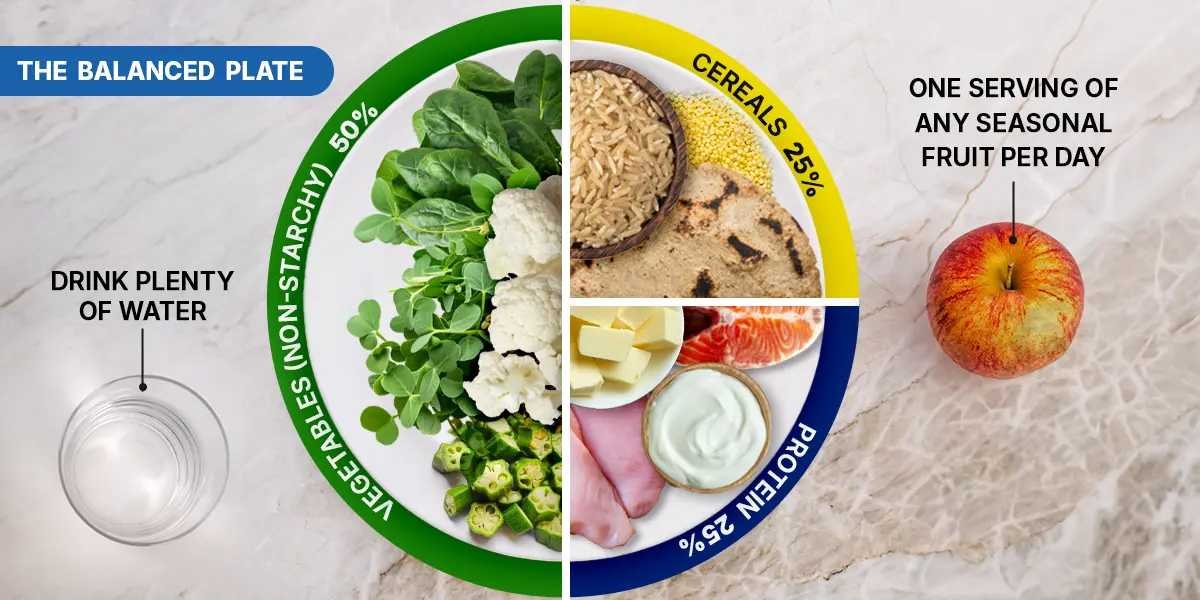
To effectively portion your meals for steady weight loss, focus on balancing your plate with appropriate serving sizes of proteins, carbs, and fats, while incorporating plenty of vegetables. Use tools like measuring cups or your hand as a guide to avoid overeating and keep your portions in check. Planning your meals ahead and listening to your body’s hunger cues are also key strategies.
Proper portioning is essential if you want to lose weight gradually and sustainably. It helps prevent overeating, keeps your energy levels stable, and ensures you’re getting the right nutrients without excess calories. By paying attention to serving sizes and making mindful choices, you can develop healthy eating habits that support your weight loss journey. Small adjustments in how you serve your meals can lead to significant, lasting results.

How to portion your meals for steady weight loss
Understanding the Importance of Proper Portion Control
Portion control is a key factor in managing weight effectively. Eating the right amount of food helps prevent overeating and supports your body’s ability to burn calories efficiently. When you learn how to portion your meals correctly, you create a sustainable eating pattern that promotes steady weight loss over time.
Benefits of Proper Meal Portioning
Proper portioning can lead to several health benefits. It helps regulate calorie intake, reduces the risk of consuming excess fat and sugar, and makes meal planning easier. Additionally, it promotes better digestion and helps maintain balanced blood sugar levels.
How to Determine Your Ideal Portion Sizes
Knowing your ideal portion sizes is essential. First, consider your age, gender, activity level, and weight loss goals. Use simple tools like measuring cups, a food scale, or visual cues to assess portions accurately. Consulting a nutritionist can also provide personalized guidance.
Using Visual Cues to Manage Portions
Visual cues are practical for estimating portions without needing tools. For example, a serving of protein should be about the size of your palm. Vegetables can fill half your plate, and a cup of grains or starchy foods is roughly equivalent to a tennis ball. These cues help keep portions manageable during busy days.
Balancing Your Plate for Effective Weight Loss
Create a balanced plate by dividing your meal into sections. Fill half with vegetables and fruits, a quarter with lean proteins, and a quarter with whole grains. Incorporate healthy fats in small amounts. This balance provides essential nutrients while controlling calorie intake.
Plate Method for Portion Control
The plate method is straightforward and easy to follow:
- Half of your plate: Vegetables and fruits
- One-quarter: Lean protein such as chicken, fish, or beans
- One-quarter: Whole grains like brown rice, quinoa, or whole wheat bread
This visual approach makes it simple to prepare meals that promote steady weight loss.
Smart Snack Portioning
Snacks can support your weight loss goals if portioned properly. Choose small, healthy snacks like a handful of nuts, a piece of fruit, or Greek yogurt. Use small bowls or portion-controlled packages to prevent overeating.
Planning Your Meals in Advance
Meal prep is effective for maintaining appropriate portions. Prepare meals and snacks ahead of time, using containers that match your ideal portion sizes. This strategy reduces temptation and helps you stay on track with your goals.
Understanding Serving Sizes and Nutritional Labels
Reading nutrition labels is vital for portion control. Pay attention to serving sizes listed and compare them with what you typically eat. This information helps you avoid unknowingly consuming extra calories and balances your intake better.
Using Tools to Measure Portions
Incorporate tools like measuring cups, food scales, and portion control containers. These devices provide precise measurements and help develop a sense of proper portion sizes over time. Especially when starting out, these tools keep you accountable.
Managing Emotional Eating and Portion Control
Emotional eating can lead to oversized portions. Practice mindful eating by paying attention to hunger and fullness cues. Find alternative ways to cope with emotions, such as walking, reading, or practicing deep breathing, rather than turning to food.
Healthy Substitutions to Control Portions
Substituting high-calorie foods with healthier options can aid in portion control. For example, swap sour cream for Greek yogurt or use lettuce wraps instead of bread. These changes allow you to enjoy larger portions without increasing calorie intake.
Monitoring and Adjusting Your Portions
Track your favorite foods and portions using a journal or app. Regular monitoring helps identify patterns and areas for improvement. Adjust your portion sizes gradually to fit your evolving needs and ensure consistent progress toward your weight loss goals.
Tips for Dining Out and Social Situations
Eating out can challenge portion control. Opt for smaller menu items, share dishes, or ask for half portions. Be conscious of your hunger and avoid eating out of habit or boredom. Planning ahead can also help you make healthier choices.
Incorporating Mindful Eating Practices
Mindfulness encourages you to eat slowly, savor each bite, and listen to your body’s signals. Avoid distractions like screens during meals. These habits foster better awareness of portion sizes and help prevent overeating.
Understanding the Role of Hydration in Portion Control
Sometimes, thirst is mistaken for hunger. Drinking a glass of water before meals can reduce appetite and prevent overeating. Staying well-hydrated supports digestion and overall health, aiding your weight loss journey.
Summary: Creating Lasting Habits for Portion Control
Implementing consistent portion control practices is key to sustainable weight loss. Focus on mindful eating, balanced meals, and planning ahead. Over time, these habits become second nature and support your health goals.
Related Topics for Further Learning
- Healthy meal planning tips
- Balancing macronutrients for weight loss
- Understanding calorie density and food choices
- Tips for increasing activity to enhance weight loss
If Your Portions Look Like This, You’ll Never Lose Weight…
Frequently Asked Questions
What are effective ways to estimate proper portion sizes without using a scale?
You can estimate portion sizes by visual cues and hand measurements. For example, a typical serving of protein like chicken or fish should be about the size of your palm, while a cup of vegetables matches the size of your fist. Using these references regularly helps you manage portions accurately without relying on a scale, supporting steady weight loss.
How can you incorporate balanced macronutrients into your meals for weight management?
Start by dividing your plate into sections—fill half with non-starchy vegetables, a quarter with lean protein, and the remaining quarter with whole grains or starchy vegetables. This approach ensures you get a mix of nutrients necessary for health and satiety, which aids in controlling overall calorie intake and promoting weight loss.
What strategies can help control portion sizes when eating out or ordering takeout?
Opt for smaller portions or consider sharing a dish with someone. You can also ask for a half-portion or request appetizers as main courses. Additionally, decant your meal into a smaller plate at home to prevent overeating and stick to reasonable serving sizes even in a restaurant setting.
How does mindful eating contribute to better portion control?
Practicing mindful eating involves paying full attention to your hunger cues and savoring each bite. Eat slowly, put your utensils down between bites, and listen to your body’s signals for fullness. These habits help prevent overeating by making you more aware of how much food satisfies your hunger.
What role does meal planning play in maintaining appropriate portion sizes?
Planning your meals in advance allows you to allocate appropriate portion sizes for each food group. Prepare and portion your meals at home, which prevents impulsive eating of larger servings. Consistent planning helps you stay on track with your weight loss goals and ensures your meals remain balanced and controlled.
Final Thoughts
How to portion your meals for steady weight loss is essential for success. Use smaller plates and bowls to control portion sizes and avoid overeating. Prioritize filling half your plate with vegetables, a quarter with lean proteins, and a quarter with whole grains. This keeps meals balanced and manageable.
Pay attention to hunger cues and eat slowly to recognize when you’re full. Preparing meals in advance helps prevent impulsive eating. Consistent portion control supports gradual, sustainable weight loss without feeling deprived.
As an Amazon Associate, We earn from qualifying purchases. When you purchase a product through Amazon links on pulsefitguide.com, we may earn a small commission at no extra cost to you. This helps support the site and keep our content free.
