


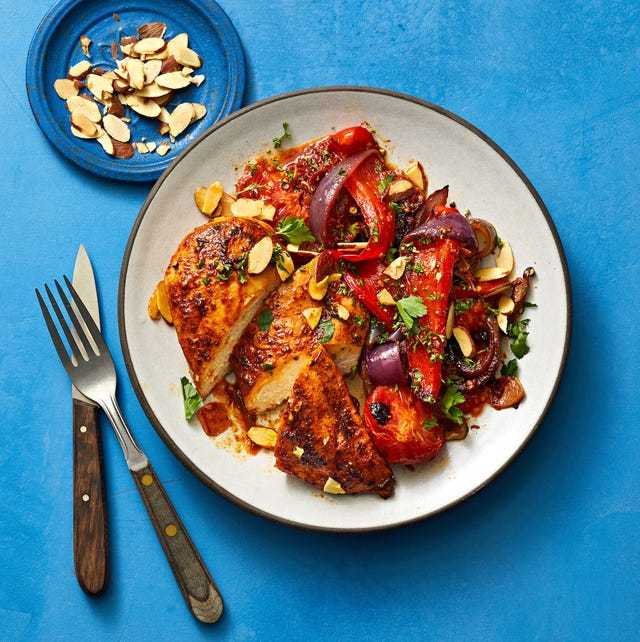
To craft a low-calorie lunch that keeps you feeling full, focus on combining fiber-rich vegetables, lean proteins, and healthy fats in balanced portions. Incorporate foods like leafy greens, grilled chicken, or beans to maximize satiety without excess calories. Staying hydrated and choosing high-volume, low-calorie ingredients can also help suppress hunger and maintain energy levels throughout the afternoon.
A satisfying, low-calorie lunch is all about smart choices that fill you up without overloading on calories. By including high-fiber veggies, lean proteins, and healthy fats, you can enjoy a meal that prevents hunger and keeps your energy stable. The key is balancing these elements to create a filling dish that supports your health and weight management goals.
If you want to enjoy a lunch that keeps you full and supports your calorie goals, start by choosing nutrient-dense ingredients that provide volume and satisfaction. Think salads with plenty of greens and vegetables, topped with lean protein and a small amount of healthy fat, like avocado or nuts. Avoid empty-calorie foods and focus on filling, wholesome ingredients to curb hunger and keep your energy high all afternoon.

How to Build a Low Calorie Lunch That Keeps You Full
Understanding Why Volume Matters
Eating a **low calorie lunch** that keeps you full relies heavily on the idea of volume. Foods with high water and fiber content add bulk to your meal without many calories. This makes you feel satisfied longer and helps prevent overeating later in the day.
Choosing the Right Ingredients
Picking ingredients with **low calorie density** is key. Focus on vegetables, lean proteins, and whole grains, which provide fiber and nutrients without excess calories. Incorporate a variety of colors and textures to keep your lunch appealing and satisfying.
Vegetables
Vegetables are packed with fiber and water, making them ideal for a filling, low-calorie meal. Options like lettuce, spinach, cucumbers, bell peppers, and broccoli are excellent choices. They add volume and crunch without many calories.
Lean Proteins
Proteins help sustain energy and promote satiety. Opt for skinless chicken breast, turkey, fish, tofu, or legumes. These foods are rich in protein but low in fat and calories, making them perfect for a low-calorie lunch.
Whole Grains
Whole grains like brown rice, quinoa, and oats provide complex carbohydrates that release energy slowly. They also contain fiber, which prolongs fullness and stabilizes blood sugar levels.
Incorporating Fiber-Rich Foods
Fiber is a **satiating nutrient** that slows digestion and prolongs feelings of fullness. Include plenty of high-fiber foods like vegetables, legumes, and whole grains in your lunch.
Legumes and Beans
Beans, lentils, and chickpeas are high in fiber and protein. They can be added to salads, wraps, or made into soups, boosting both nutrition and satiety.
Fruits
Fruits such as apples, berries, and oranges provide fiber and natural sweetness. Use them as toppings or snacks to enhance flavor without adding many calories.
Smart Cooking and Preparation Tips
The way you prepare your lunch impacts its calorie content and satiety level. Use cooking methods that preserve nutrients without adding unnecessary calories.
Grilling, Baking, and Steaming
These methods avoid added fats and keep food flavorful. For example, grilling chicken or steaming vegetables retains nutrients and keeps calories low.
Portion Control
Be mindful of portion sizes to avoid overeating. Use smaller plates and measuring cups to ensure you stick to healthy serving sizes.
Balancing Macronutrients
A balanced lunch contains the right mix of proteins, carbohydrates, and fats to keep you full. Too much carbohydrate can lead to quick energy spikes and crashes, while healthy fats and proteins promote longer satiety.
Ideal Ratios
Aim for a **balanced plate** with approximately 40% vegetables, 30% lean proteins, and 30% whole grains or healthy fats. This balance encourages fullness and sustained energy.
Hydration’s Role in Satiety
Drinking enough water during your meal can help fill your stomach and enhance feelings of fullness. Include a glass of water or herbal tea with your lunch.
Tips for Staying Hydrated
Carry a reusable water bottle and sip regularly. Avoid sugary drinks that add empty calories and can increase hunger shortly after drinking.
Sample Low Calorie Lunch Ideas
Here are a few examples of satisfying, low-calorie lunches to inspire your meal planning:
- Grilled chicken salad with mixed greens, cucumbers, cherry tomatoes, and a light vinaigrette
- Quinoa bowl topped with roasted vegetables and chickpeas
- Vegetable stir-fry with tofu over a small serving of brown rice
- Wrap made with lettuce, lean turkey, avocado slices, and colorful vegetables
- Fresh fruit salad with a dollop of Greek yogurt and a sprinkle of nuts
Additional Tips for Success
Plan your lunch ahead of time to avoid impulsive choices and ensure your meal is balanced. Keep healthy snacks available to prevent hunger between meals.
Meal Prep Strategies
Prepare ingredients in advance by washing and chopping vegetables or cooking grains and proteins early. Use containers with compartments to keep components fresh and organized.
Mindful Eating
Eat slowly and savor each bite to give your brain time to recognize fullness. This practice can prevent overeating and enhance enjoyment of your meal.
Monitoring Your Progress
Keep track of your meals and how they make you feel. Adjust portion sizes and ingredients based on your satiety and energy levels.
Building a **low calorie lunch that keeps you full** involves selecting nutrient-dense foods, controlling portions, and combining macronutrients wisely. Incorporate a variety of vegetables, lean proteins, and whole grains to create meals that satisfy both your taste buds and your hunger. Remember, preparation and mindful eating play important roles in maintaining a healthy, fulfilling lunch routine.
Volume Eating For Fat Loss
Frequently Asked Questions
What are some high-volume, low-calorie ingredients I can include in my lunch?
Incorporate ingredients like leafy greens, cucumbers, zucchini, and celery to add bulk without many calories. These foods are water-rich, helping you feel full longer. Adding some high-fiber options like cauliflower or radishes can also increase satiety, making your lunch more satisfying without significantly increasing calorie content.
How can I incorporate protein into my low-calorie lunch to stay full?
Add lean protein sources such as grilled chicken, turkey, fish, or tofu. Protein helps reduce hunger hormones and keeps you feeling full for a longer period. Including eggs or low-fat dairy products can also boost protein intake while keeping calories in check.
What healthy fats should I include to make my lunch more filling without adding many calories?
Use small portions of healthy fats like avocado, nuts, or seeds to enhance satiety. For example, a quarter of an avocado or a small sprinkle of chia seeds can provide enough fat to keep you satisfied without overloading your lunch with calories. These fats also add flavor and texture to your meal.
How can I prepare my lunch to maximize satiety throughout the day?
Prepping balanced meals with a combination of vegetables, proteins, and healthy fats ensures prolonged fullness. Incorporate high-fiber grains like quinoa or brown rice in moderation, and consider including fresh vegetables that add volume. Mindful portioning and choosing minimally processed ingredients help maintain calorie control while keeping your hunger at bay.
Are there specific cooking methods that help keep lunches low in calories but filling?
Opt for grilling, steaming, or roasting vegetables and lean proteins instead of frying. These methods retain nutrients without adding extra calories from fats or oils. Using herbs, spices, and lemon juice for flavoring adds taste without extra calories, making your lunch both nutritious and satisfying.
Final Thoughts
Building a low calorie lunch that keeps you full involves choosing nutrient-dense ingredients like lean proteins, vegetables, and legumes. Incorporating fiber-rich foods enhances satiety and prevents afternoon cravings. Use herbs and spices to add flavor without extra calories. Planning balanced meals ensures you enjoy your lunch while maintaining your calorie goals efficiently.
As an Amazon Associate, We earn from qualifying purchases. When you purchase a product through Amazon links on pulsefitguide.com, we may earn a small commission at no extra cost to you. This helps support the site and keep our content free.
