


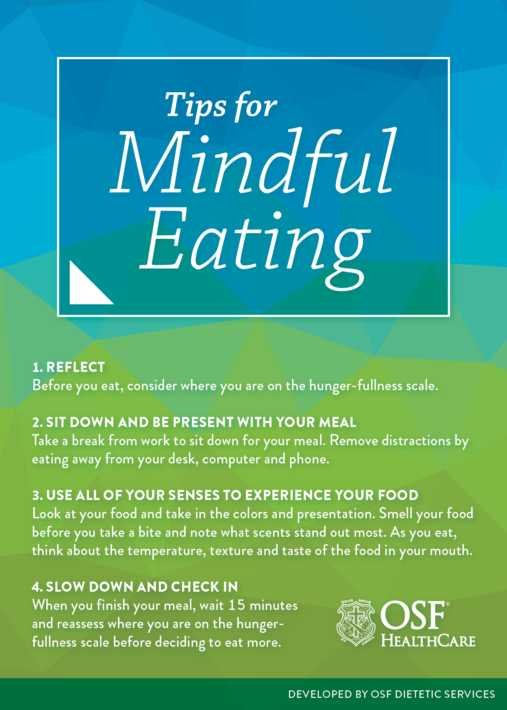
To eat mindfully and prevent overeating, start by paying close attention to your body’s hunger signals, savor each bite slowly, and avoid distractions like TV or phones while eating. These simple shifts can help you enjoy your food more and recognize when you’re truly satisfied, reducing the tendency to overeat.
Eating mindfully is all about being fully present during your meals—listening to your body, appreciating the taste and texture of your food, and setting aside distractions. By doing so, you become more in tune with your hunger and fullness cues, which naturally curbs overeating and promotes a healthier relationship with food.
If you want to prevent overeating, it’s essential to focus on the way you eat, not just what you eat. Mindful eating encourages you to slow down, pay attention, and genuinely enjoy your meals, making it easier to recognize when you’ve had enough. This approach helps break the cycle of emotional or mindless eating, leading to better digestion, improved satisfaction, and more control over your portions. Whether you’re trying to lose weight or simply want to enjoy your food more, cultivating mindfulness during meals can significantly transform your eating habits.

How to Eat Mindfully to Prevent Overeating
Understanding Mindful Eating
Mindful eating means paying full attention to the experience of eating. It involves focusing on the taste, texture, and smell of your food without distractions. This practice helps you recognize cues from your body that tell you when you’re full.
By slowing down and savoring each bite, you become more aware of how much food you need. This awareness reduces the chances of overeating and encourages healthier eating habits. Mindful eating also helps you enjoy your food more and feel satisfied with smaller portions.
The Benefits of Eating Mindfully
Eating mindfully offers many advantages beyond preventing overeating. It improves digestion because you chew more thoroughly and eat at a slower pace. It also helps manage weight by reducing unnecessary calorie intake.
Additionally, mindful eating can lower stress around food. It encourages a positive relationship with eating and reduces guilt after meals. For many, it leads to better choices because they are more aware of their true hunger levels.
How to Practice Mindful Eating Step by Step
- Start with small portions: Use smaller plates and serve less food to avoid overeating.
- Eat slowly: Take at least 20 minutes to finish your meal, pausing between bites.
- Focus on your food: Eliminate distractions like TV or smartphones so you can truly enjoy your meal.
- Chew thoroughly: Chewing each bite 15 to 20 times helps digestion and increases satiety.
- Listen to your body: Pay attention to signs of fullness and stop eating when you feel satisfied.
Recognizing Hunger and Fullness Cues
What is true hunger?
True hunger is a gradual feeling that develops and can be satisfied with food. It often feels like a growling stomach or a sense of emptiness.
How to know you’re full
Feelings of fullness come gradually. You should stop eating before you feel overly stuffed. A good rule is to pause midway through your meal to assess if you’re still hungry or starting to feel full.
Tips for Eating Mindfully in Daily Life
Plan your meals ahead
Prepare balanced meals to avoid impulsive eating. Having a plan helps you make conscious choices.
Eat at regular intervals
Consistent meal times prevent extreme hunger that leads to overeating. Aim for three balanced meals and healthy snacks if needed.
Use all your senses
Notice the color, smell, and texture of your food. Engaging all your senses enhances satisfaction and slows down your eating pace.
Creating a Mindful Eating Environment
Choose a calm setting
Eating in a peaceful environment reduces distractions and allows you to focus on your food.
Practice gratitude
Thankfulness for your meal fosters a positive attitude and encourages mindful eating habits.
Limit multitasking
Avoid doing other activities while eating, such as watching TV or working. Focus solely on the act of eating.
Overcoming Common Barriers to Mindful Eating
Dealing with time constraints
Set aside dedicated time for meals. Even a few extra minutes can make a big difference in mindful eating.
Managing emotional eating
Identify emotional triggers that lead to overeating. Find alternative activities like walking or journaling to cope with emotions.
Breaking habits of mindless snacking
Be aware of habitual snack times and decide if you’re truly hungry. Use mindful techniques to assess your needs before reaching for food.
Related Topics and Further Tips
| Related Topic | Description |
|---|---|
| Healthy Portion Sizes | Learn how to serve appropriate amounts to prevent overeating. |
| Mindful Meal Planning | Organize balanced meals that support mindful eating habits. |
| Stress and Eating | Understand how stress influences your eating patterns and ways to manage it. |
Tools and Techniques to Support Mindful Eating
- Mindful eating journal: Track your meals, hunger, and fullness cues to identify patterns.
- Eating pauses: Set timers to remind you to pause during meals and assess your satiety level.
- Breathing exercises: Practice deep breathing before and during eating to relax and center your focus.
- Food choices: Opt for whole, minimally processed foods that are satisfying and nourishing.
Monitoring Your Progress
Track how often you eat mindfully and how it affects your overeating habits. Notice improvements in hunger awareness, digestion, and overall satisfaction. Adjust your routines as needed and celebrate small successes along the way.
Eating mindfully is an ongoing journey. With consistent effort, you can develop habits that prevent overeating and foster a healthier, more satisfying relationship with food.
Tips to stop binge eating!
Frequently Asked Questions
What strategies can help improve awareness of hunger and fullness cues during meals?
To become more aware of hunger and fullness signals, focus on eating slowly and paying close attention to how your body feels. Pause between bites, and ask yourself if you’re truly hungry or just eating out of habit or emotion. Using smaller plates can also help regulate portion sizes and prevent overeating. Practicing mindfulness meditation before meals can enhance your connection with bodily cues, helping you recognize when you’re satisfied rather than overly full.
How can minimizing distractions while eating support mindful consumption?
Eating in a calm environment without screens or other distractions allows you to focus entirely on your food. When you pay attention to flavors, textures, and aromas, you naturally eat more consciously and avoid mindless overeating. Turn off televisions, put away phones, and create a peaceful atmosphere during meals to foster better awareness and prevent consuming more than you need.
What role does meal timing and portion control play in mindful eating practices?
Having regular meal times prevents excessive hunger that can lead to overeating. Preparing appropriate portion sizes discourages eating beyond what your body needs. Serve yourself smaller amounts and listen for signs that you’ve eaten enough before reaching for seconds. This structured approach supports mindful choices and helps maintain balanced eating habits throughout the day.
How can setting intentions before eating contribute to more mindful choices?
Before starting a meal, take a moment to set a clear intention, such as nourishing your body or enjoying the flavors. This mental note reminds you to eat with purpose rather than out of boredom or stress. Staying present during the meal helps you make deliberate decisions about what and how much to eat, reducing the tendency to overeat.
What are some practical tips to stay mindful during social dining situations?
When dining with others, focus on the conversation and the shared experience instead of mindlessly snacking or rushing through your meal. Take small bites, chew thoroughly, and pause frequently to assess your hunger levels. If you’re tempted to eat more than needed, remind yourself of your intentions to eat consciously, and listen to your body’s signals. Maintaining this focus helps you enjoy social moments without overeating.
Final Thoughts
How to eat mindfully to prevent overeating emphasizes the importance of paying close attention to your body’s hunger signals and eating slowly. Focus on savoring each bite and avoiding distractions like screens.
Taking time to enjoy your meals helps you recognize when you are genuinely full, preventing unnecessary overeating. Stay present during your eating experience and listen to your body’s cues.
Practicing mindful eating fosters a healthier relationship with food and promotes better digestion. By implementing these habits, you can control portion sizes and enjoy your meals more fully.
As an Amazon Associate, We earn from qualifying purchases. When you purchase a product through Amazon links on pulsefitguide.com, we may earn a small commission at no extra cost to you. This helps support the site and keep our content free.
