


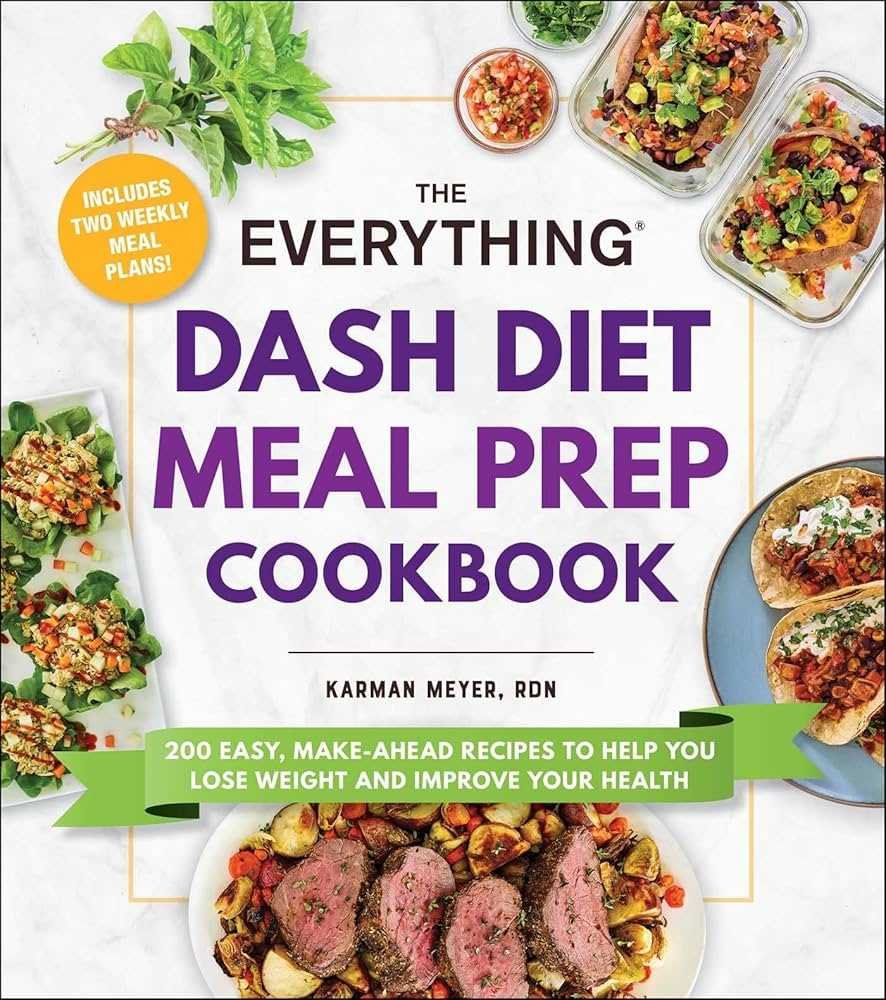
Planning your meals ahead of time can make managing your weight much simpler and less stressful. By preparing balanced meals in advance, you reduce the temptation to opt for unhealthy options and stay on track with your goals. The key is to organize your shopping, portion your meals properly, and create a weekly plan that fits your lifestyle. This approach not only keeps your diet consistent but also saves time and money. With a little preparation, you’ll find it easier to make healthier choices every day without feeling overwhelmed.
In essence, meal planning involves setting aside time to strategize your weekly menu, prepping ingredients beforehand, and sticking to your plan. This proactive approach helps you control portions, avoid impulsive eating, and maintain a balanced diet, making weight management more achievable and less stressful.

How to plan meals ahead for easier weight control
Understanding the importance of meal planning for weight management
Planning your meals in advance helps you make healthier choices and avoid impulse eating. It ensures portion control and reduces the chance of grabbing unhealthy snacks. When you plan, you set yourself up for success in reaching your weight goals.
Benefits of meal prepping for weight control
Meal prepping saves time during busy days and helps you stick to nutritious options. It minimizes stress around meal decisions and prevents overeating. Consistently prepared meals also help you monitor calorie intake more accurately.
Step-by-step guide to meal planning
1. Set clear weight management goals
Begin by defining what you want to achieve, like losing a specific amount of weight or maintaining your current weight. Clear goals help you tailor your meal plans to suit your needs. Remember, goals should be realistic and achievable.
2. Create a weekly meal schedule
Designate breakfast, lunch, dinner, and healthy snacks for each day of the week. Use a calendar or a meal planning app to organize your schedule. Having a plan reduces last-minute decision-making and temptation.
3. Choose nutritious and balanced recipes
Select meals rich in vegetables, lean proteins, whole grains, and healthy fats. Avoid overly processed foods and sugary snacks. Balanced meals provide essential nutrients and keep you full longer.
4. Prepare a shopping list based on your meal plan
List all ingredients needed for the week’s recipes. Organize the list by store sections—produce, dairy, grains, etc.—to make shopping more efficient. Stick to your list to avoid impulse buys.
5. Dedicate time to meal prep
Set aside specific days and times for cooking and portioning meals. Batch cooking large quantities makes it easier to grab healthy options throughout the week. Use containers suitable for freezing or refrigeration.
Smart shopping tips for effective meal planning
Focus on purchasing whole foods and seasonal produce, which are often more affordable and fresh. Reading labels helps you avoid added sugars and unhealthy fats. Buying in bulk can save money and ensure you have healthy staples on hand.
Batch cooking and meal prep techniques
Cook grains like rice or quinoa in large batches to use in multiple meals. Prepare protein sources such as chicken, fish, or beans ahead of time. Store prepared foods in labeled containers to keep track of freshness.
Storage and reheating tips
Use airtight containers to keep meals fresh longer. Freeze individual portions for busy days. When reheating, ensure food reaches the appropriate temperature to maintain safety and flavor.
Creating healthy snack options for the week
Prepare snack-sized portions of nuts, cut vegetables, and fruit. Keep healthy snacks visible and accessible to avoid reaching for less nutritious options. Incorporate protein-rich snacks to stay satisfied.
Incorporating variety and flexibility into your meal plan
Rotate different proteins, vegetables, and grains each week to prevent boredom. Allow for occasional treats to keep your plan sustainable. Flexibility helps you enjoy your meals without feeling deprived.
Monitoring and adjusting your meal plan
Track your progress and how your body responds to different meals. Make adjustments as needed to ensure you’re meeting your weight control goals. Remember, changing your plan is okay as you learn what works best for you.
Dealing with common obstacles in meal planning
Busy schedules and cravings can challenge your plan. Prepare quick and healthy options for busy days. Stay motivated by reminding yourself of your goals and celebrating small successes.
Using technology to support your meal planning efforts
Apps can help you create shopping lists, track calories, and plan meals easily. Digital tools can send reminders and provide recipe ideas. Leverage technology to stay organized and motivated.
Tips for eating out while staying on track
Choose restaurants with healthy options and watch portion sizes. Opt for grilled instead of fried dishes and ask for dressings or sauces on the side. Planning ahead can help you make smarter choices even when dining out.
Importance of mindful eating and portion control
Eat slowly and pay attention to hunger cues to avoid overeating. Use smaller plates and utensils to help manage portion sizes. Mindful eating enhances your enjoyment and supports weight management.
Planning meals ahead makes weight control easier and more manageable. It helps you stay focused on nutritious choices while reducing stress around food decisions. With consistent effort and flexibility, meal planning becomes a sustainable habit that supports your health goals.
The Best Meal Plan To Lose Fat Faster (EAT LIKE THIS!)
Frequently Asked Questions
What are some effective strategies for deciding what to include in your meal plan?
Start by assessing your nutritional needs and personal preferences. Choose a balance of lean proteins, whole grains, healthy fats, and plenty of vegetables. Incorporate a variety of flavors and textures to keep meals interesting. Planning ahead helps prevent impulsive eating and ensures you stick to your health goals.
How can I ensure my meal portions are appropriate when planning in advance?
Use measuring tools and portion size guidelines to allocate correct serving sizes for each meal. Prepare ingredients in bulk and divide them into single-serving containers. This approach helps manage calorie intake and prevents overeating, making it easier to stay on track with your weight control plan.
What are some tips for shopping efficiently when meal planning?
Create a detailed shopping list based on your weekly meal plan to avoid impulse buys. Stick to the list and shop around the perimeter of the store where fresh produce, meats, and dairy are typically located. Buying in bulk for non-perishable items can also save time and money, ensuring you always have healthy ingredients on hand.
How can I stay flexible with my meal plan to accommodate unexpected changes?
Build some flexibility into your plan by including versatile ingredients that can be used in multiple recipes. Prepare a few backup options for busy days, such as frozen vegetables or pre-cooked proteins. This way, you can adapt without losing sight of your goals, even if your schedule shifts.
What tools or resources can help me stay consistent with meal planning?
Use meal planning apps or digital calendars to organize your plan and set reminders. Keep a dedicated notebook or digital document with your favorite recipes and shopping lists. Consistent tracking and preparation create habits that make sticking to your meal plan easier and more effective.
Final Thoughts
Planning meals ahead simplifies weight control by reducing impulsive eating. Prepare weekly menus and shopping lists to stay on track. Keep healthy ingredients accessible to make quick, nutritious meals.
Batch cook and portion meals in advance to avoid last-minute choices. This habit helps manage portion sizes and prevents overeating. Incorporate a variety of foods for balanced nutrition.
How to plan meals ahead for easier weight control makes it easier to maintain your goals. Consistent planning fosters healthier habits and saves time, making weight management more achievable.
As an Amazon Associate, We earn from qualifying purchases. When you purchase a product through Amazon links on pulsefitguide.com, we may earn a small commission at no extra cost to you. This helps support the site and keep our content free.
