


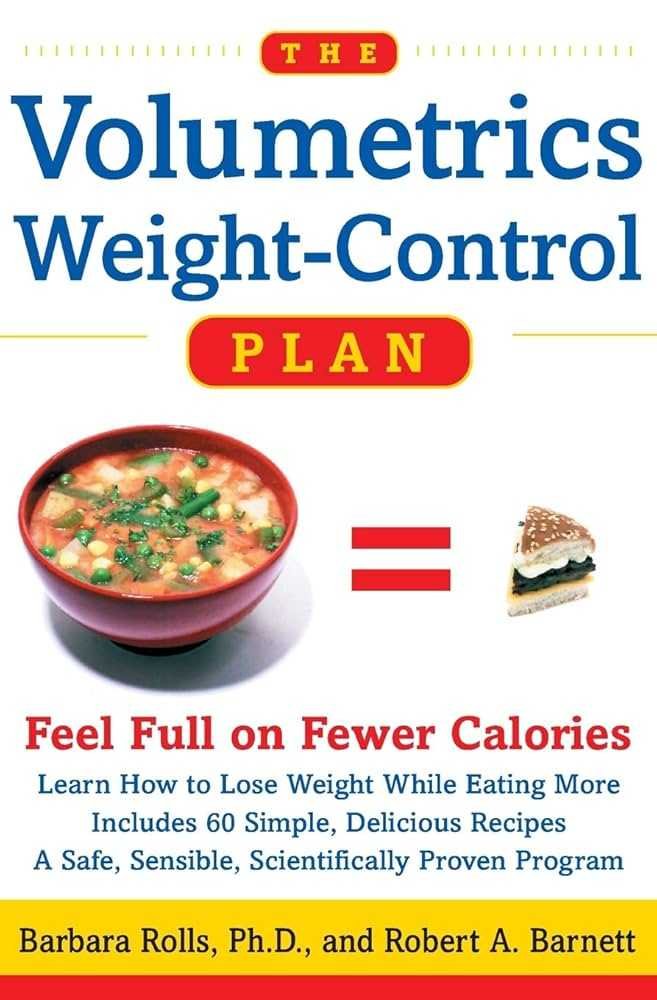
Eating less doesn’t mean you have to go hungry—there are smart ways to stay full while cutting calories! Incorporate high-fiber foods, lean proteins, and plenty of water to help you feel satisfied longer. Opt for nutrient-dense options that keep hunger at bay without piling on calories, making your weight management journey more sustainable.
To stay full with fewer calories, focus on filling your plate with foods rich in fiber and protein, which promote satiety. Drinking plenty of water and choosing volume-rich but low-calorie foods can also help you feel full without overeating. By making these smart choices, you can enjoy satisfying meals that support your health goals without feeling deprived.
When trying to eat fewer calories while staying full, it’s all about smarter food choices and mindful eating habits. Filling your diet with high-volume, nutrient-dense foods like vegetables, lean meats, and whole grains can help curb hunger. Staying hydrated and eating slowly also give your body time to recognize fullness, making your weight loss efforts more effective and enjoyable.

How to Stay Full with Fewer Calories
Feeling satisfied after a meal without consuming too many calories can seem tricky. However, by making smart choices, you can enjoy longer-lasting fullness while reducing calorie intake. This approach helps you maintain a healthy weight without feeling deprived or hungry.
Understanding Satiety and Its Role in Weight Management
Satiety is the feeling of fullness after eating. It influences how much food you want to eat later. When you eat foods that promote satiety, you naturally reduce your calorie intake. This balance is key to managing weight effectively.
Foods that keep you full longer tend to be high in fiber, protein, and water content. Incorporating these elements into every meal can help you stay satisfied with fewer calories.
Choosing Foods that Keep You Full Longer
High-Fiber Foods
Fiber adds bulk to your meals, slowing digestion and helping you feel full. Good sources include vegetables, fruits, whole grains, and legumes. Including a variety of these in your diet can cut down hunger pangs significantly.
High-Protein Options
Protein-rich foods are known for their ability to increase satiety and reduce overall calorie intake. Some excellent options include lean meats, eggs, Greek yogurt, tofu, and fish.
Foods with High Water Content
Foods high in water help fill the stomach without adding many calories. Examples include cucumbers, lettuce, watermelon, and citrus fruits. Eating these foods can make meals feel more substantial.
Smart Meal Planning Strategies
Balance Your Plate
Design meals that combine fiber, protein, and water-rich foods. A balanced plate might include grilled chicken, roasted vegetables, and a side of quinoa or brown rice. This mix enhances satiety and reduces calorie consumption.
Eat Smaller, Frequent Meals
Consuming smaller meals more often prevents hunger from building up. It stabilizes blood sugar levels, which helps prevent overeating. Aim for three main meals and healthy snacks in between.
Mindful Eating Practices
Take time to eat slowly, savor each bite, and listen to your body’s signals. Mindful eating helps prevent overeating and enhances the satisfaction you get from meals.
Incorporating Low-Calorie but Filling Foods
Vegetables and Fruits
Vegetables like broccoli, spinach, and cauliflower are low in calories but packed with fiber and nutrients. Fruits such as berries, apples, and oranges are sweet yet light, making them excellent for filling snacks.
Whole Grains
Switching refined grains for whole grains increases fiber intake. Options like oats, brown rice, and whole wheat bread keep you full longer without many calories.
Legumes and Pulses
Beans, lentils, and chickpeas are rich in protein and fiber. They help stabilize blood sugar and keep hunger at bay for hours.
Hydration and Its Impact on Fullness
Drink Plenty of Water
Sometimes, thirst is mistaken for hunger. Drinking water before and during meals can help you feel full faster. Aim for at least eight glasses daily.
Soups and Broths
Starting meals with a broth or vegetable-based soup can reduce hunger and calorie intake. These options are low in calories but high in water content and flavor.
Additional Tips for Staying Full with Fewer Calories
- Limit processed foods that are high in sugar, unhealthy fats, and empty calories.
- Use herbs and spices to add flavor without extra calories.
- Plan your snacks to include high-water, high-fiber, and high-protein foods.
- Monitor portion sizes to avoid overeating even healthy foods.
Sample Daily Meal Plan for Satiety and Fewer Calories
| Meal | Food Choices | Highlights |
|---|---|---|
| Breakfast | Oatmeal topped with berries and a dollop of Greek yogurt | High fiber, protein, and water content for fullness |
| Snack | Apple slices with almond butter | Fills you up with fiber and healthy fats |
| Lunch | Grilled chicken salad with mixed greens, cucumbers, and tomatoes | Lean protein and water-rich vegetables |
| Snack | Carrot sticks and hummus | Crunchy, fiber-rich, and satisfying |
| Dinner | Baked fish with steamed broccoli and quinoa | Protein, fiber, and water content for lasting fullness |
Eating to stay full doesn’t mean eating more calories. Focus on nutrient-dense foods high in fiber, protein, and water. Combine these with mindful eating habits and balanced meals to enjoy fullness with fewer calories. Small changes can lead to healthier eating patterns and better weight management without feeling hungry or deprived.
Volume Eating For Fat Loss
Frequently Asked Questions
What are some high-fiber foods that help you feel full longer without adding many calories?
Incorporate foods rich in dietary fiber, such as vegetables, fruits, legumes, and whole grains. These foods slow down digestion, keeping you satisfied for a longer period. For example, adding oats, berries, beans, and leafy greens to your meals can significantly reduce hunger between meals without boosting calorie intake.
How can protein intake assist in reducing hunger on a lower-calorie diet?
Consuming adequate protein increases feelings of fullness by promoting satiety hormones and stabilizing blood sugar levels. Include lean sources like chicken, fish, eggs, or plant-based options such as tofu and lentils. Balancing your meals with protein helps you eat less overall while supporting muscle maintenance.
What strategies can I use to include more volume in my meals without adding many calories?
Focus on adding low-calorie, water-rich foods like vegetables and broth-based soups to your dishes. These foods create a sense of fullness due to their volume, allowing you to eat larger portions without increasing calorie intake. Planning meals with salads or steamed vegetables alongside your main course can help you stay satisfied longer.
Are there specific eating patterns or habits that promote fullness with fewer calories?
Eating slowly and paying attention to your hunger cues allow your brain to recognize when you’re full, preventing overeating. Incorporate smaller, frequent meals and snacks throughout the day instead of large, infrequent ones. Proper hydration also plays a role; drinking water before and during meals can make you feel full and reduce calorie consumption.
Final Thoughts
How to stay full with fewer calories involves choosing foods rich in fiber and protein, which promote satiety. Incorporate vegetables, lean meats, and legumes into your meals to feel satisfied longer. Drinking plenty of water and eating slowly also help control hunger. Focusing on nutrient-dense foods enables you to enjoy portion sizes without consuming excess calories.
As an Amazon Associate, We earn from qualifying purchases. When you purchase a product through Amazon links on pulsefitguide.com, we may earn a small commission at no extra cost to you. This helps support the site and keep our content free.
