


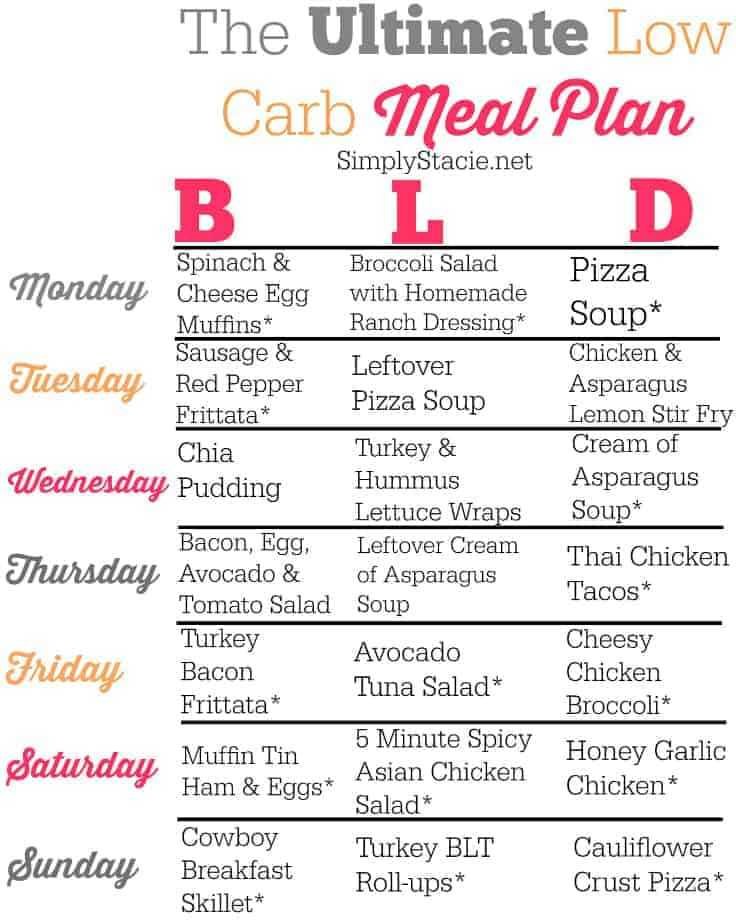
To create an effective low carb meal plan for weight loss, focus on including plenty of vegetables, lean proteins, and healthy fats while minimizing carbs from bread, pasta, and sugary foods. Plan your meals around proteins like chicken, fish, or eggs, and incorporate non-starchy vegetables to keep you full and satisfied. Keep track of your carb intake to ensure you’re staying within your target range, and don’t forget to stay hydrated and incorporate some physical activity into your routine. With a little planning and discipline, you can enjoy delicious meals while shedding unwanted pounds.
Building a low carb meal plan for weight loss doesn’t have to be overwhelming. The key is to prioritize nutritious, filling foods that help control your appetite and stabilize blood sugar levels. By choosing the right proteins, healthy fats, and vegetables, you can create a sustainable eating pattern that promotes fat loss and keeps you energized throughout the day. It’s all about balance, preparation, and making smart food choices that align with your weight management goals.

How to build a low carb meal plan for weight loss
Creating a low carb meal plan can seem challenging at first, but breaking it down makes it easier. Focus on choosing foods that are low in carbohydrates but high in protein and healthy fats. This approach not only helps you shed pounds but also keeps you feeling satisfied throughout the day.
Understanding the basics of low carb eating
Low carb diets reduce your intake of sugars and starchy foods like bread, pasta, and sweets. Instead, you prioritize vegetables, lean proteins, and healthy fats. This shift helps your body burn fat more efficiently for energy.
It’s important to know your daily carbohydrate target. Most low carb plans aim for less than 50 grams of carbs per day, but some go even lower. Monitoring your carbs helps you stay on track and see your progress clearly.
Choosing the right proteins for your plan
Proteins are key because they help preserve muscle and keep you full. Good options include chicken, turkey, lean beef, fish, and eggs. These foods are low in carbs and rich in essential nutrients.
For variety, include plant-based proteins like tofu, tempeh, and legumes in moderation. However, some beans and lentils contain more carbs, so consume them in controlled portions if you’re strict about carbs.
Incorporating healthy fats
Healthy fats play a crucial role in a low carb meal plan. They provide energy and help your body absorb vitamins. Focus on sources like avocados, nuts, seeds, olive oil, and coconut oil.
Limit saturated fats from processed foods and focus on monounsaturated and polyunsaturated fats. These healthier fats support overall health and aid weight loss.
Prioritizing vegetables in your meals
Vegetables are low in carbs and high in fiber, vitamins, and minerals. Fill your plate with leafy greens, broccoli, cauliflower, zucchini, and peppers. These vegetables add volume and nutrients without many carbs.
Avoid starchy vegetables like potatoes, sweet potatoes, and corn, which are higher in carbs. Instead, get creative with salads, roasted vegetables, and stir-fries to keep meals exciting.
Planning your meals around balanced macronutrients
A successful low carb plan balances protein, fat, and a small amount of carbs. Aim for a meal structure that prioritizes protein and fats, with carbs mainly from vegetables. This helps stabilize blood sugar and curb hunger.
Here’s a simple breakdown: 40-50% of your calories from protein, 30-40% from healthy fats, and less than 20% from carbs. Adjust these ratios based on your weight loss goals and how your body responds.
Creating with meal prep and planning tools
Meal prep saves time and ensures you stick to your plan. Dedicate a few hours weekly to cook and portion your meals. Use containers to organize breakfasts, lunches, and dinners.
Utilize meal planning apps or printable charts to track your intake and plan ahead. This reduces the chance of impulsive eating and helps maintain consistency.
Sample low carb meal plan for a day
| Meal | Food Choices | Estimated Carbohydrates |
|---|---|---|
| Breakfast | Scrambled eggs with spinach and avocado | 5 grams |
| Lunch | Grilled chicken salad with olive oil dressing | 8 grams |
| Snack | A handful of mixed nuts | 4 grams |
| Dinner | Baked salmon with roasted cauliflower and zucchini | 10 grams |
| Total | 27 grams |
Tips to stay motivated and on track
Set realistic goals and celebrate small wins to keep motivated. Keep a food journal to monitor your progress and identify patterns. Sharing your journey with friends or support groups can boost your commitment.
Remember, flexibility is key. Allow occasional treats within your carb limits to prevent feelings of deprivation. Focus on long-term lifestyle changes rather than quick fixes.
Common mistakes to avoid in low carb meal planning
- Neglecting vegetables—they are vital for fiber and nutrients.
- Overeating processed low carb foods that may contain hidden carbs or unhealthy ingredients.
- Ignoring portion sizes—calories still matter for weight loss.
- Not drinking enough water—hydration supports metabolic processes.
- Getting bored with meals—variety keeps you committed to your plan.
Additional considerations for successful weight loss
Combine your low carb meal plan with regular physical activity. Exercise enhances fat burning and improves overall health. Find activities you enjoy to stay consistent.
Getting adequate sleep and managing stress also influence weight loss. These factors help control hormones related to hunger and fat storage.
Adapting your plan over time
As you lose weight and gain experience, adjust your carb intake and portion sizes. Listen to your body’s signals and modify your plan for continued progress. Flexibility ensures your plan remains sustainable long-term.
Track your results and refine your meals based on what works best for you. Small changes can lead to significant health improvements over time.
Building a low carb meal plan for weight loss involves choosing nutritious foods, planning balanced meals, and staying consistent. Focus on variety, portion control, and proper hydration to reach your goals effectively. Incorporate these tips, and you’ll develop a sustainable, enjoyable eating pattern to support your weight loss journey.
3-Day EATING PLAN to Start or Restart Low Carb Dieting
Frequently Asked Questions
What are some common low-carb foods to include in a meal plan for weight loss?
In a low-carb meal plan, focus on foods that are naturally low in carbohydrates and rich in nutrients. Include lean proteins such as chicken, turkey, eggs, and fish. Incorporate non-starchy vegetables like leafy greens, broccoli, cauliflower, and peppers. Use healthy fats from sources like avocados, nuts, seeds, and olive oil. Additionally, dairy products like cheese and Greek yogurt can be part of the plan in moderation. These foods help you stay full longer and promote weight loss without excessive carb intake.
How can I ensure my meal plan remains balanced while cutting carbs?
To keep your meal plan nutritious, balance your meals with adequate protein, healthy fats, and fiber-rich vegetables. Incorporate a variety of food sources to meet your vitamin and mineral needs. Use portion control to avoid overeating, and plan your meals to include enough calories to sustain your energy levels. Regularly include different types of vegetables and proteins to prevent nutritional gaps and maintain overall health as you follow your low-carb plan.
What strategies can I use to avoid cravings for high-carb foods?
Stay full longer by consuming healthy fats and high-quality proteins with each meal, which helps reduce hunger. Incorporate fiber-rich vegetables to add volume and satiety. Drinking plenty of water and staying hydrated can also reduce cravings. Additionally, plan your meals and snacks ahead of time to prevent impulsive eating. If cravings arise, opt for approved low-carb snacks or small portions of satisfying foods to manage your appetite effectively.
Final Thoughts
Understanding your nutritional needs is the first step to building a low carb meal plan for weight loss. Incorporate plenty of lean proteins, healthy fats, and low-carb vegetables to stay satisfied and energized. Plan your meals ahead to avoid temptations and ensure a balanced intake. Finally, track your progress and adjust portions as needed to maintain steady weight loss and overall health.
As an Amazon Associate, We earn from qualifying purchases. When you purchase a product through Amazon links on pulsefitguide.com, we may earn a small commission at no extra cost to you. This helps support the site and keep our content free.
