


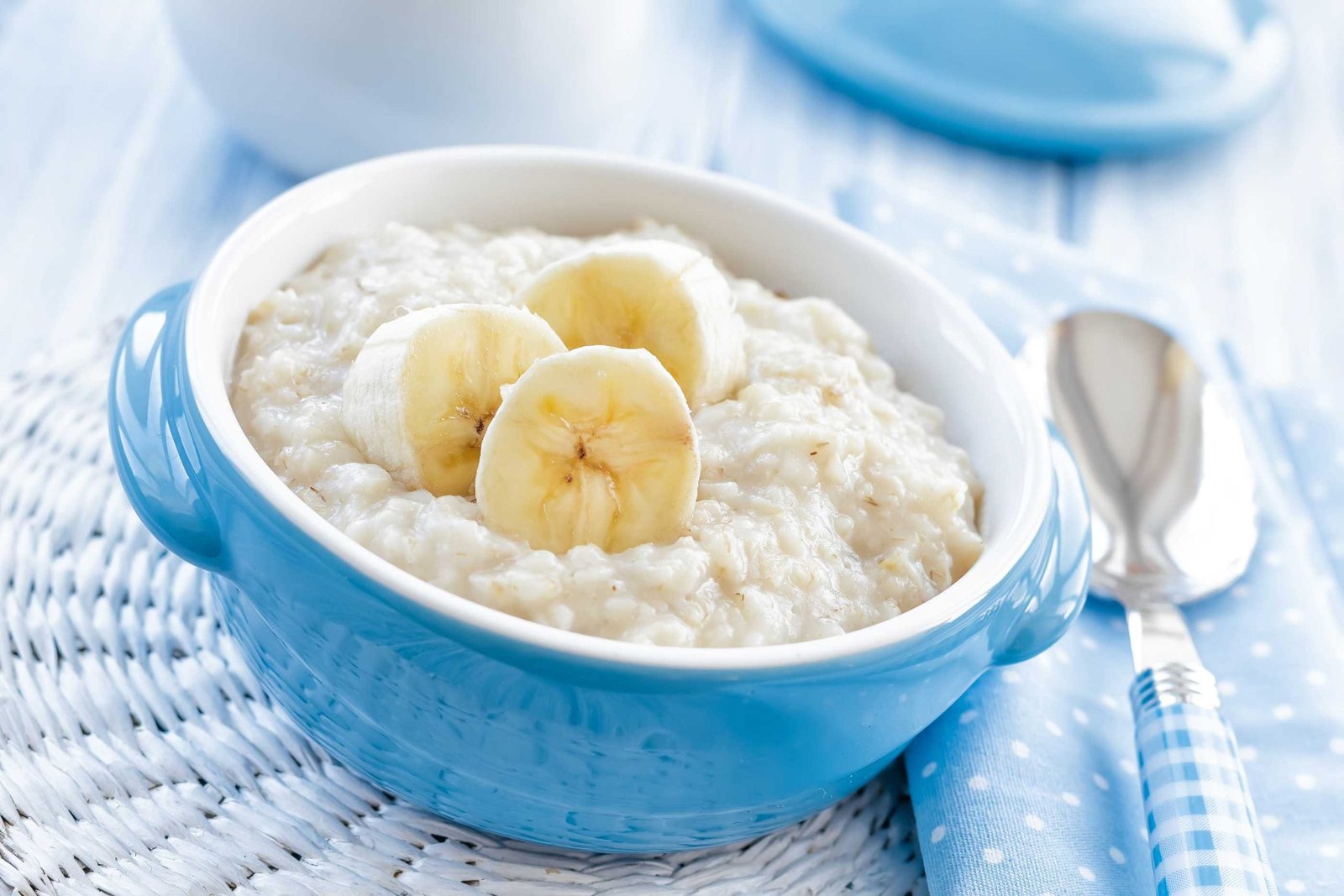
Eating more fiber is a simple yet powerful way to boost fat loss and improve overall health. Filling your diet with high-fiber foods helps you feel full longer, reduces cravings, and supports a healthy digestive system. To increase your fiber intake, incorporate a variety of fruits, vegetables, whole grains, and legumes into your meals daily. Remember, gradually adding fiber to your diet and drinking plenty of water keeps everything moving smoothly and prevents discomfort. By making small, consistent changes, you can naturally support your fat loss goals while enjoying delicious, nourishing meals.
If you want to eat more fiber to support fat loss, focus on adding fiber-rich foods to your meals and snacks, such as berries, oats, beans, and vegetables. Start slow and increase your intake gradually to avoid digestive issues, and stay well-hydrated. This approach will help you stay full longer, curb appetite, and promote weight loss effectively.
Consuming more fiber is key to supporting fat loss because it helps control hunger and stabilizes blood sugar levels, which reduces overeating. By choosing nutrient-dense, fiber-rich foods and making them a regular part of your diet, you can enhance weight loss efforts naturally and enjoy a more satisfying eating experience.

How to eat more fiber to support fat loss
Understanding the role of fiber in fat loss
Fiber is a type of carbohydrate that your body can’t fully digest. It plays a crucial role in controlling hunger and supporting weight management. Consuming enough fiber helps you feel full longer, reducing overall calorie intake and supporting fat loss goals.
Different types of fiber and their benefits
There are two main types of fiber: soluble and insoluble. Soluble fiber dissolves in water and forms a gel-like substance in your gut. It helps lower cholesterol levels and stabilizes blood sugar. Insoluble fiber adds bulk to stool and aids in regular digestion, preventing constipation.
Sources of soluble fiber
- Oats and oatmeal
- Legumes like beans and lentils
- Fruits such as apples, oranges, and berries
- Vegetables like carrots and cucumbers
- Flaxseeds and chia seeds
Sources of insoluble fiber
- Whole grains such as wheat bran and brown rice
- Vegetables like cauliflower and celery
- Skin of fruits and vegetables
- Nuts and seeds
Why increasing fiber intake can aid your fat loss efforts
Eating more fiber helps you feel satisfied after meals, which can prevent overeating. Fiber also slows digestion, leading to steadier blood sugar levels and fewer sugar cravings. Additionally, fiber promotes healthy digestion and can reduce bloating, helping you look and feel slimmer.
How much fiber should you aim for each day?
Experts recommend a daily intake of about 25 grams for women and 38 grams for men. Most people do not get enough fiber from their diets. Gradually increasing your fiber intake can prevent digestive discomfort like gas and bloating.
Strategies to incorporate more fiber-rich foods into your diet
Eating more fiber is easier when you plan meals thoughtfully. Start your day with high-fiber breakfast options. Incorporate fiber-rich snacks and switch to whole-grain products instead of refined ones. Consistent inclusion of fiber-rich foods in each meal helps reach daily goals.
Starting your day with fiber
Opt for oatmeal topped with berries and a sprinkle of chia seeds. Whole-grain cereals or toast with nut butter are also good choices. Including a piece of fruit can boost your morning fiber intake.
Boosting fiber during lunch and dinner
Choose salads with plenty of vegetables, add beans or lentils to soups, and use whole grains like brown rice or quinoa as side dishes. Incorporate plenty of colorful vegetables to maximize fiber and nutrient content.
Snacking smart with fiber-rich options
Select nuts, seeds, or roasted chickpeas. Fresh fruits, especially apples and pears with skin, provide a portable fiber boost. Consider high-fiber energy bars as occasional snacks.
Tips for increasing fiber gradually and safely
Adding too much fiber too quickly can cause bloating or gas. Increase your intake slowly over a week or two. Drink plenty of water to help fiber do its job smoothly. Balance fiber intake with other healthy eating habits.
Meal ideas full of fiber
– Breakfast: Whole-grain toast with avocado and sliced tomatoes
– Lunch: Chickpea salad with mixed greens and a lemon vinaigrette
– Dinner: Quinoa stir-fry with broccoli, carrots, and tofu
– Snacks: Fresh fruit with a handful of almonds
Additional tips to enhance fiber intake
Prepare meals ahead to include fiber-rich ingredients. Read food labels to choose products with higher fiber content. Experiment with adding seeds or bran to smoothies and yogurt.
Considerations for people with specific health conditions
If you have digestive issues like irritable bowel syndrome, consult a healthcare professional before making significant changes. Some conditions may require a tailored approach to fiber intake. Always incorporate fiber slowly and monitor how your body responds.
Eating more fiber can significantly support your fat loss efforts by helping you stay full, stabilizing blood sugar, and improving digestion. Gradually adding a variety of fiber-rich foods into your daily meals makes it easier to meet your goals. Remember to drink plenty of water and balance your diet with other healthy habits to maximize results.
Doctor Explains EASY Way To Get More Fibre!
Frequently Asked Questions
What are some easy ways to incorporate more fiber into my daily meals?
To boost your fiber intake effortlessly, include fruits like berries and apples, vegetables such as carrots and broccoli, and whole grains like oats and brown rice in your meals. Snacking on nuts, seeds, or high-fiber granola bars also helps. Planning your meals ahead ensures you’re consistently adding fiber-rich ingredients, making it easier to meet your daily goals.
How can I adjust my cooking methods to preserve the fiber content of foods?
Opt for cooking techniques that retain most of the fiber, such as steaming or roasting vegetables instead of boiling, which can sometimes leach out nutrients. Using whole grains instead of refined grains keeps more fiber intact. Avoid overprocessing foods, and consider eating some fruits and vegetables raw to maximize fiber consumption.
Are there specific foods I should focus on to support my fiber intake for fat loss?
Prioritize foods high in soluble fiber like oats, beans, and lentils, as they help control hunger and stabilize blood sugar levels. Incorporate insoluble fiber sources such as whole wheat bread, nuts, and vegetables like cauliflower and celery to promote digestion. Combining these foods provides a balanced intake that supports weight management.
What strategies can help me stick to a high-fiber diet consistently?
Create a meal plan that includes a variety of fiber-rich options and prepare ingredients ahead of time. Keep nutritious, high-fiber snacks handy to avoid unhealthy choices. Also, gradually increase your fiber intake to prevent digestive discomfort and give your body time to adjust.
How much water should I drink to maximize the benefits of increased fiber intake?
Drink plenty of water throughout the day, especially when adding more fiber to your diet. Aiming for at least 8 glasses (about 2 liters) daily helps fiber move smoothly through your digestive system. If you consume significantly more fiber, increase your water intake accordingly to avoid constipation and optimize digestion.
Final Thoughts
To eat more fiber to support fat loss, incorporate fruits, vegetables, whole grains, and legumes into your meals daily. Choose high-fiber snacks like nuts or berries to boost intake. Aim for a variety of fiber sources to benefit from different types of fiber. Consistently increasing fiber helps improve satiety, reducing overall calorie consumption, and supporting your fat loss goals.
As an Amazon Associate, We earn from qualifying purchases. When you purchase a product through Amazon links on pulsefitguide.com, we may earn a small commission at no extra cost to you. This helps support the site and keep our content free.
