


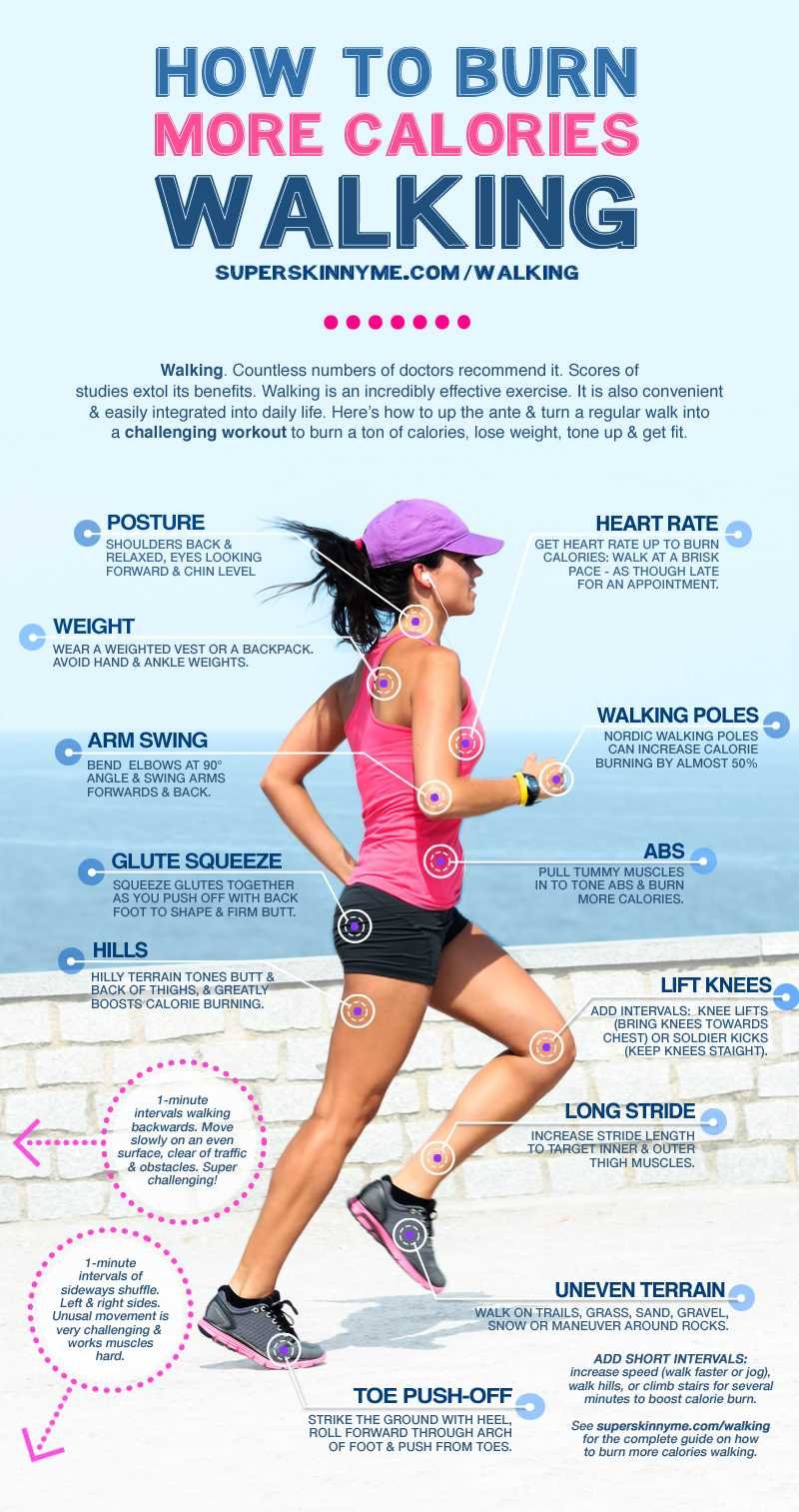
To boost your weight loss journey, try incorporating interval walking into your routine. Alternating between brisk and moderate paces not only makes your workout more engaging but also significantly increases calorie burn, helping you shed pounds faster. Start by walking quickly for one minute, then slow down for two, and repeat this cycle for 20-30 minutes. This method maximizes fat burning and improves cardiovascular health in less time.
Adding interval walking to your daily routine is a simple yet effective way to accelerate weight loss. Mix short bursts of fast-paced walking with periods of slower walking, making your workouts more dynamic and efficient. Not only does this strategy enhance fat loss, but it also keeps you motivated and less bored with your exercise. With consistent practice, you’ll see quicker results and enjoy the journey to a healthier you.

How to add interval walking to speed up weight loss
Interval walking is a simple yet effective way to boost your weight loss efforts. It involves alternating between fast and slow walking, which helps burn more calories in less time. This method can make your walking workouts more engaging and efficient.
Understanding the basics of interval walking
Interval walking means changing your walking pace during a session. You walk quickly for a short period, then slow down to recover. Repeating this pattern intensifies your workout and increases your calorie burn.
Research shows that interval training can elevate your metabolism long after you finish walking. This effect, called excess post-exercise oxygen consumption, helps your body burn calories more effectively.
The benefits of adding interval walking to your routine
- Improves cardiovascular health: Alternating speeds challenges your heart and lungs, strengthening them over time.
- Increases calorie burn: Faster walking intensifies calorie expenditure compared to steady walking.
- Speeds up weight loss: Combining interval walking with a healthy diet can help you shed pounds faster.
- Enhances endurance: Over time, you can walk longer and faster with less fatigue.
- Low-impact exercise: It’s gentle on joints, making it suitable for many fitness levels.
How to plan your interval walking sessions
Determine your starting pace
Begin by walking at a comfortable pace where you can talk easily. This will be your recovery or slow pace. Then, identify a brisk pace that raises your heart rate but remains sustainable for several minutes.
Decide on interval duration
Start with short intervals, such as one minute fast walking followed by two minutes slow walking. As your fitness improves, increase the duration of the faster segments.
Set a workout schedule
Aim for about 3 to 5 interval sessions per week. Each session should last between 20 and 40 minutes, including warm-up and cool-down periods.
Sample interval walking workout
| Phase | Duration | Description |
|---|---|---|
| Warm-up | 5 minutes | Walk at a slow, comfortable pace to prepare your muscles. |
| Interval 1 | 1 minute fast walk | Bring your speed up to a brisk pace. |
| Recovery | 2 minutes slow walk | Let your heart rate come down slightly. |
| Repeat | Repeat the fast and slow intervals 6-8 times | |
| Cool-down | 5 minutes slow walk | Gradually slow down to finish your session. |
Choosing the right gear for effective interval walking
Proper footwear is essential. Invest in comfortable walking shoes with good arch support and shock absorption. Wear breathable clothes suitable for weather conditions to stay comfortable during your workout.
Monitoring your intensity and progress
Using heart rate zones
To ensure you’re walking at the right intensity, monitor your heart rate. Aim for 50-70% of your maximum heart rate during fast intervals. You can calculate your maximum heart rate by subtracting your age from 220.
Tracking your workouts
Use a fitness tracker or smartphone app to log your walking sessions. Keeping track of duration, pace, and intervals helps you stay motivated and see your progress over time.
Modifying interval walking based on your fitness level
- Beginners: Start with shorter fast intervals, such as 30 seconds, and longer recovery times.
- Intermediate: Increase fast intervals to 1-2 minutes and include more repetitions.
- Advanced: Incorporate hill walking or include higher speeds to challenge yourself further.
Integrating interval walking with other weight loss strategies
Combine interval walking with a balanced diet rich in fruits, vegetables, lean proteins, and whole grains. Staying consistent with your exercise routine amplifies weight loss results.
Additionally, consider strength training exercises twice a week to build muscle, which increases resting metabolic rate and promotes fat loss.
Overcoming common challenges
Finding motivation
Set realistic goals and reward yourself for milestones. Walking with a friend or listening to music can make workouts more enjoyable.
Dealing with weather or time constraints
If outdoor walking isn’t feasible, use a treadmill and vary the incline to mimic outdoor terrains. Shorter, more frequent intervals can also fit into busy schedules.
Creative ways to make interval walking more engaging
- Music playlists: Create energizing playlists that match your interval timings.
- Walking podcasts or audiobooks: Keep your mind entertained during recovery periods.
- Vary your routes: Explore different parks or neighborhoods to keep your routine interesting.
Safety tips for interval walking
Always warm up and cool down properly to prevent injuries. Stay hydrated, wear visible clothing if walking outdoors in low-light conditions, and listen to your body to avoid overexertion.
Long-term benefits of incorporating interval walking
Regularly practicing interval walking can lead to sustained weight loss, improved fitness levels, and better overall health. It can also motivate you to stay active beyond just walking sessions.
By gradually increasing the intensity and duration of your intervals, you’ll continue to challenge your body and enjoy continued progress toward your weight loss goals.
STOP Walking 10,000 Steps To Lose Belly Fat (Do This Instead)
Frequently Asked Questions
What are the best ways to incorporate interval walking into my weekly routine?
To include interval walking effectively, schedule dedicated sessions a few times per week. Begin with a warm-up, then alternate between high-intensity walking and recovery periods. For example, walk briskly for 1 minute, then slow down for 2 minutes, repeating this cycle for 20-30 minutes. Consistently adjusting the intensity and duration helps maintain engagement and promotes fat loss.
How can I determine the appropriate intensity levels for interval walking?
Use your perceived exertion as a guide. During high-intensity intervals, aim for a pace where talking becomes difficult but still manageable. Your heart rate should reach approximately 70-85% of its maximum. During recovery periods, slow down enough to catch your breath. Monitoring your heart rate with a wearable device can ensure you’re training at the right intensity levels.
What are some common mistakes to avoid when adding interval walking for weight loss?
Avoid starting too intensely without proper warm-up, which can lead to injury or fatigue. Do not neglect recovery periods; they are crucial for sustained effort and effectiveness. Overdoing the sessions without adequate rest or increasing intensity too quickly also hampers progress. Focus on gradual improvements and listen to your body to prevent setbacks.
Final Thoughts
How to add interval walking to speed up weight loss can significantly enhance your results. Incorporate short bursts of faster walking into your routine, alternating with slower recovery periods. This method boosts calorie burn and improves cardiovascular health. Consistency is key—try to include interval walking in your daily walks to see the best outcomes.
As an Amazon Associate, We earn from qualifying purchases. When you purchase a product through Amazon links on pulsefitguide.com, we may earn a small commission at no extra cost to you. This helps support the site and keep our content free.
