


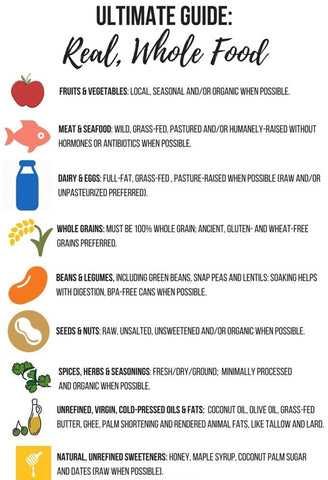
To effectively use whole foods for natural weight loss, fill your plate with unprocessed, nutrient-dense items like fruits, vegetables, lean proteins, and whole grains. Focus on portion control, balanced meals, and mindful eating to support your goals. Incorporating these foods into your daily routine can boost metabolism, curb cravings, and promote sustainable weight loss without relying on fad diets or supplements.
Eating whole foods is one of the best ways to shed excess pounds naturally. These foods are minimally processed, rich in fiber, vitamins, and minerals, helping you feel full longer and reduce overeating. By making simple swaps—like choosing brown rice over white or snacking on fruits instead of processed snacks—you can transform your diet into a powerful tool for weight management. Embracing a diet centered around whole foods not only promotes weight loss but also improves overall health and energy levels, making it an enjoyable and sustainable journey.

How to Use Whole Foods for Natural Weight Loss
Eating whole foods is a simple way to support healthy weight loss without relying on processed snacks or artificial ingredients. These foods are nutrient-dense and can help keep you full longer, reducing unnecessary snacking. Incorporating more whole foods into your diet can promote steady, sustainable weight loss over time.
Understanding Whole Foods and Their Benefits
Whole foods are foods that are minimally processed and close to their natural state. They include fruits, vegetables, whole grains, nuts, seeds, and lean proteins. These foods are rich in vitamins, minerals, fiber, and antioxidants, which are essential for good health and weight management.
Eating whole foods has several benefits for weight loss. They provide essential nutrients without excess calories or added sugars. Their high fiber content promotes feelings of fullness, helping you eat less naturally. Plus, whole foods are free from artificial additives that can cause cravings and overeating.
Key Whole Foods to Incorporate into Your Diet
Fruits and Vegetables
- Fresh berries, apples, oranges, bananas, and pears provide natural sweetness and fiber.
- Leafy greens like spinach, kale, and lettuce are low in calories but high in nutrients.
- Cruciferous vegetables such as broccoli, cauliflower, and Brussels sprouts are fiber-rich and filling.
Whole Grains
- Brown rice, quinoa, oats, and barley are excellent sources of complex carbohydrates.
- They provide sustained energy and keep hunger at bay longer than refined grains.
- Choose whole grain bread, pasta, and cereals for added fiber and nutrients.
Lean Proteins
- Eggs, lean cuts of poultry, fish, and bean-based options like lentils and chickpeas offer high-quality protein.
- Protein supports muscle health and helps you feel full after meals.
- Opt for grilled, baked, or steamed preparations instead of fried options.
Nuts, Seeds, and Legumes
- Almonds, walnuts, chia seeds, and flaxseeds are nutrient-dense snacks that promote satiety.
- Legumes like lentils and black beans enhance fiber intake and provide plant-based protein.
Smart Strategies to Incorporate Whole Foods for Weight Loss
Meal Planning and Preparation
Plan your meals around whole food ingredients to ensure balanced nutrition. Prepare meals ahead of time to avoid reaching for unhealthy convenience foods. Batch-cooking grains, roasting vegetables, and pre-portioning snacks help maintain your healthy eating goals.
Balancing Your Plate
Fill half your plate with vegetables and fruits. Allocate one-quarter to lean proteins and one-quarter to whole grains. This balanced approach helps control portion sizes and prevents overeating.
Reading Nutrition Labels
Always check labels for added sugars, unhealthy fats, and processed ingredients. Choose products made from whole foods with minimal additives. The fewer ingredients listed, the better.
Tips for Replacing Processed Foods with Whole Foods
- Swap sugary breakfast cereals with oatmeal topped with fresh fruit and seeds.
- Replace snack bars with a handful of nuts and fresh fruit.
- Instead of white bread, choose whole grain or sprouted grain options.
- Opt for roasted or grilled vegetables instead of fried snacks.
Incorporating Whole Foods into Your Daily Routine
Breakfast Ideas
- Oatmeal with berries, nuts, and a drizzle of honey.
- Egg scramble with spinach, tomatoes, and whole-grain toast.
- Greek yogurt topped with mixed fruits and seeds.
Lunch and Dinner Options
- Grilled chicken or fish with roasted vegetables and quinoa.
- Vegetable stir-fry with tofu or lean beef over brown rice.
- Salad with lots of greens, colorful vegetables, nuts, and a vinaigrette dressing.
Healthy Snacks
- Sliced vegetables with hummus.
- Fresh fruit with a handful of nuts.
- Whole grain crackers with avocado or cottage cheese.
The Role of Hydration in Whole Food-Based Weight Loss
Drinking plenty of water supports digestion and helps control hunger. Sometimes, thirst can be mistaken for hunger, leading to unnecessary snacking. Aim for at least 8 glasses of water daily and incorporate herbal teas for variety.
Monitoring Portion Sizes and Eating Mindfully
Pay attention to portion sizes to avoid overeating, even with healthy foods. Use smaller plates and bowls to help control servings. Practice mindful eating by savoring each bite and eating slowly, which gives your brain time to register fullness.
Balancing Exercise with Whole Food Nutrition
Regular physical activity enhances weight loss efforts and overall health. Pair your nutritious diet with activities like walking, cycling, or yoga. Exercise also helps improve mood and energy levels, making healthy choices easier.
Dealing with Common Challenges and Plateaus
Weight loss may slow down at times, which is normal. Focus on sticking to your whole food plan rather than quick fixes. Keep a journal of your eating habits to identify areas for improvement and celebrate small successes.
Using whole foods for weight loss involves making mindful choices that prioritize nutrition and satiety. By filling your diet with unprocessed, nutrient-rich foods, you support your health while naturally shedding excess weight. Consistency and patience are key to seeing sustainable results over time.
How to LOSE WEIGHT & Keep it Off Eating Plant Based!
Frequently Asked Questions
How can incorporating a variety of whole foods support weight loss efforts?
Including a diverse range of whole foods ensures you receive essential nutrients that promote satiety and reduce cravings. Foods like fruits, vegetables, whole grains, nuts, and lean proteins help regulate blood sugar levels and provide sustained energy, making it easier to stick to a healthy eating plan. This variety also prevents dietary monotony and encourages balanced nutrition, which supports natural weight management.
What are some practical tips for replacing processed foods with whole foods in daily meals?
Start by planning your meals around fresh, minimally processed ingredients. Swap refined grains like white bread for whole-grain options, and choose fresh fruits over sugary snacks. Incorporate more vegetables into your dishes, use nuts and seeds as snacks or toppings, and select lean cuts of meat or plant-based proteins. Preparing meals at home allows you to control ingredients, reducing added sugars and unhealthy fats that can hinder weight loss.
How does mindful eating contribute to using whole foods effectively for weight loss?
Practicing mindful eating helps you become more aware of hunger and fullness cues, encouraging you to eat slowly and savor each bite. This awareness reduces overeating and promotes better digestion. When you focus on whole foods, you tend to eat more slowly and intentionally, which helps you enjoy your meals and prevents impulse snacking, making it easier to maintain a healthy weight naturally.
Are there specific timing strategies for consuming whole foods to enhance weight loss?
Eating smaller, balanced meals and snacks evenly spaced throughout the day maintains steady energy levels and prevents excessive hunger. Incorporate a mix of proteins, healthy fats, and fiber-rich carbohydrates in each meal to promote fullness. Starting your day with a nutritious breakfast rich in whole foods can kickstart your metabolism, while pre- and post-workout snacks made of whole ingredients support recovery and sustain weight loss efforts.
Final Thoughts
Using whole foods for natural weight loss involves choosing fresh, minimally processed ingredients that support satiety and nutrition. Incorporate plenty of fruits, vegetables, lean proteins, and whole grains into your meals to maintain energy levels and reduce cravings. Focus on balanced portions and avoid sugary or highly processed foods. By consistently making mindful choices, you can achieve sustainable weight loss naturally through whole foods.
As an Amazon Associate, We earn from qualifying purchases. When you purchase a product through Amazon links on pulsefitguide.com, we may earn a small commission at no extra cost to you. This helps support the site and keep our content free.
