


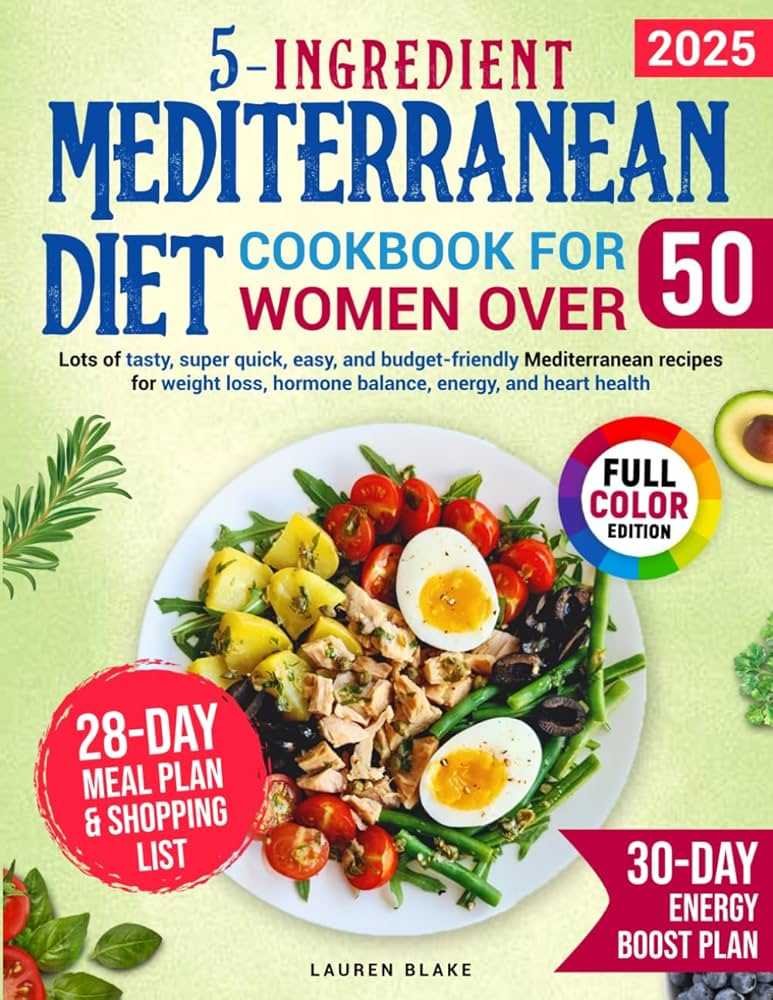
To prepare meals that promote weight loss and boost energy at 50, focus on balanced plates filled with lean proteins, whole grains, healthy fats, and plenty of colorful vegetables. Keep processed foods to a minimum, stay hydrated, and incorporate small, frequent meals to maintain energy levels throughout the day. Regularly adjusting portion sizes and choosing nutrient-dense options will support your health goals effectively.
As we hit 50, our bodies change, making it essential to adapt our eating habits to stay energized and shed excess weight. Creating simple, nutritious meals that balance macronutrients can help you feel satisfied while supporting weight management. The key is to prioritize whole foods, watch portion sizes, and include foods that naturally boost metabolism and energy, ensuring you feel your best every day.

How to prepare meals for weight loss and energy at 50
Understanding Nutritional Needs After 50
As people age, their bodies change, making nutritional needs unique. At 50, metabolism slows down, and muscle mass may decrease, affecting energy levels and weight management.
To stay healthy, focus on foods rich in nutrients but lower in calories. Prioritize lean proteins, whole grains, healthy fats, and plenty of fruits and vegetables. Adequate hydration also plays a vital role in maintaining energy and supporting weight loss.
The Importance of Balanced Meals for Energy and Weight Loss
Balanced meals include a combination of macronutrients—carbohydrates, proteins, and fats—to fuel the body efficiently. Proper balance helps sustain energy throughout the day and prevents overeating.
For weight loss, portion control is key. Use smaller plates and pay attention to hunger cues to avoid consuming excess calories. Incorporate foods high in fiber, which helps you feel full longer and supports digestion.
Meal Planning Tips for Healthy Weight Loss
Planning meals ahead reduces the temptation to choose unhealthy options. Create a weekly menu that includes breakfast, lunch, dinner, and healthy snacks.
Opt for simple recipes that incorporate nutrient-dense ingredients. Keep a shopping list to purchase fresh produce, lean meats, whole grains, and healthy fats. Preparing meals in advance saves time and ensures you stick to your nutritional goals.
Choosing the Right Foods for Energy at 50
Some foods naturally boost energy levels and enhance weight management efforts. These include:
- Leafy greens: Rich in iron and magnesium, they help combat fatigue.
- Whole grains: Provide slow-releasing carbohydrates for sustained energy.
- Lean proteins: Such as chicken, fish, and legumes, support muscle maintenance.
- Healthy fats: From avocados, nuts, and olive oil, give prolonged energy and promote satiety.
- Fruits: Fresh berries, oranges, and apples supply vital vitamins and antioxidants.
Incorporate these foods regularly to maintain energy levels and avoid post-meal slumps.
Sample Meal Ideas for Weight Loss and Energy
Here are some simple meal options suitable for those over 50:
Breakfast
- Oatmeal topped with fresh berries and a sprinkle of nuts
- Scrambled eggs with spinach and whole-grain toast
- Greek yogurt with sliced fruits and chia seeds
Lunch
- Grilled chicken salad with mixed greens, cherry tomatoes, and vinaigrette
- Quinoa bowl with roasted vegetables and chickpeas
- Turkey and avocado wrap in a whole-wheat tortilla
Dinner
- Baked salmon with steamed broccoli and brown rice
- Stir-fried tofu with mixed vegetables and soba noodles
- Lean beef stew with carrots and potatoes
Healthy Snacks
- Sliced cucumber with hummus
- A handful of mixed nuts
- Fresh fruit like an apple or banana
Including these options makes it easier to meet nutritional goals without feeling deprived.
Cooking Methods That Support Weight Loss and Energy
How you prepare your meals influences their health benefits. Choose cooking techniques that preserve nutrients and reduce added fats.
Opt for methods like grilling, baking, steaming, and sautéing with minimal oil. Avoid frying foods in excessive oil or butter, which can add unnecessary calories. Using herbs and spices instead of salt enhances flavor without compromising health.
Smart Shopping and Ingredient Choices
Shopping intentionally helps you select foods that support weight loss and sustained energy. Read food labels carefully, looking for items low in added sugars, sodium, and unhealthy fats.
Buy fresh, seasonal produce and lean cuts of meat. Whole foods are generally more nutritious and filling. Stock your pantry with healthy staples like oats, beans, canned tomatoes, and spices to prepare a variety of nutritious meals.
Portion Control and Mindful Eating
Controlling portion sizes prevents overeating and supports weight loss. Use smaller bowls and plates to help manage serving sizes.
Practice mindful eating by chewing slowly and savoring each bite. This helps recognize fullness cues and reduces the likelihood of consuming excess calories.
How to Stay Consistent With Healthy Meal Prep
Consistency is critical for weight loss and energy maintenance. Set aside regular times for grocery shopping and meal preparation.
Batch cook meals in larger quantities to save time and ensure healthy options are always available. Keep healthy snacks accessible to avoid reaching for processed or high-calorie foods.
Additional Tips for Enhancing Meals for Better Results
Adding herbs, spices, and citrus juices boosts flavor without extra calories. Incorporate fermented foods like yogurt and sauerkraut to support gut health.
Monitoring your progress and adjusting meal plans as needed keeps you motivated. Remember, staying consistent and making gradual changes lead to sustainable results.
Incorporating Physical Activity with Meal Planning
Pairing a nutritious diet with regular physical activity amplifies weight loss efforts and boosts energy levels. Incorporate activities like walking, swimming, or yoga into your routine.
Exercise also helps preserve muscle mass, which is essential for maintaining a healthy metabolism at 50. Balance your diet and activity for optimal health and vitality.
weekend MEAL PREP with me, easy and healthy (love to do this on weekends)
Frequently Asked Questions
What are some strategies to incorporate More vegetables and fiber into meals for better energy during weight loss at 50?
Adding a variety of colorful vegetables to your meals boosts fiber intake, which promotes satiety and stabilizes blood sugar levels. Incorporate leafy greens, bell peppers, and cruciferous vegetables like broccoli and cauliflower. Include fiber-rich whole grains such as oats, quinoa, and brown rice. Prepare salads, stir-fries, and roasted veggie dishes to make vegetables appealing and easy to include in your daily routine. This approach supports sustained energy and helps prevent overeating.
How can I balance macronutrients in my meals to support both weight loss and energy at 50?
Ensure each meal contains a good proportion of lean proteins, healthy fats, and complex carbohydrates. Lean proteins like chicken, fish, and legumes help preserve muscle mass and promote satiety. Healthy fats from sources like avocados, nuts, and olive oil provide sustained energy and support hormone functions. Opt for whole grains, sweet potatoes, and vegetables for complex carbs that release energy slowly. This balance helps manage hunger, maintains energy levels, and supports weight loss goals.
What are some quick and nutritious meal ideas suitable for older adults aiming for weight loss and energy?
Prepare simple meals like grilled salmon with quinoa and steamed vegetables, or a vegetable stir-fry with tofu served over brown rice. Egg muffins with vegetables make for quick breakfast options, while salads topped with lean proteins provide a refreshing lunch. Incorporate smoothies with greens, fruit, and protein powder for a nutritious snack. These options require minimal preparation, provide essential nutrients, and help maintain energy and weight management for those over 50.
How should portion sizes be adjusted for effective weight loss without sacrificing energy levels at 50?
Focus on controlling portion sizes to create a slight calorie deficit while ensuring adequate nutrient intake. Use smaller plates and bowls to naturally reduce servings. Fill half your plate with vegetables, a quarter with lean protein, and a quarter with healthy carbs. Pay attention to hunger and fullness cues to avoid overeating. Proper portion control helps sustain energy and supports gradual, healthy weight loss without feeling deprived.
Are there specific meal timing or frequency tips for maintaining energy and losing weight at this age?
Eat regular, balanced meals every 3 to 4 hours to keep blood sugar stable and energy levels consistent. Incorporate healthy snacks like nuts, fruit, or yogurt between meals if needed. Avoid long fasting periods, which can lead to overeating later. Planning meals in advance helps maintain steady energy and prevents impulsive, less healthy choices, supporting your weight loss journey effectively at 50.
Final Thoughts
Preparing meals for weight loss and energy at 50 involves choosing nutrient-dense foods like lean proteins, vegetables, and whole grains. Focus on portion sizes and avoid processed foods high in sugar and unhealthy fats. Incorporate healthy fats such as avocados and nuts to support overall health.
Cooking methods matter; opt for grilling, steaming, or baking to keep meals light and nutritious. Planning ahead ensures you make mindful choices and maintain variety in your diet.
In conclusion, how to prepare meals for weight loss and energy at 50 combines mindful eating with balanced ingredients, helping you stay energized and healthy at any age.
As an Amazon Associate, We earn from qualifying purchases. When you purchase a product through Amazon links on pulsefitguide.com, we may earn a small commission at no extra cost to you. This helps support the site and keep our content free.
