


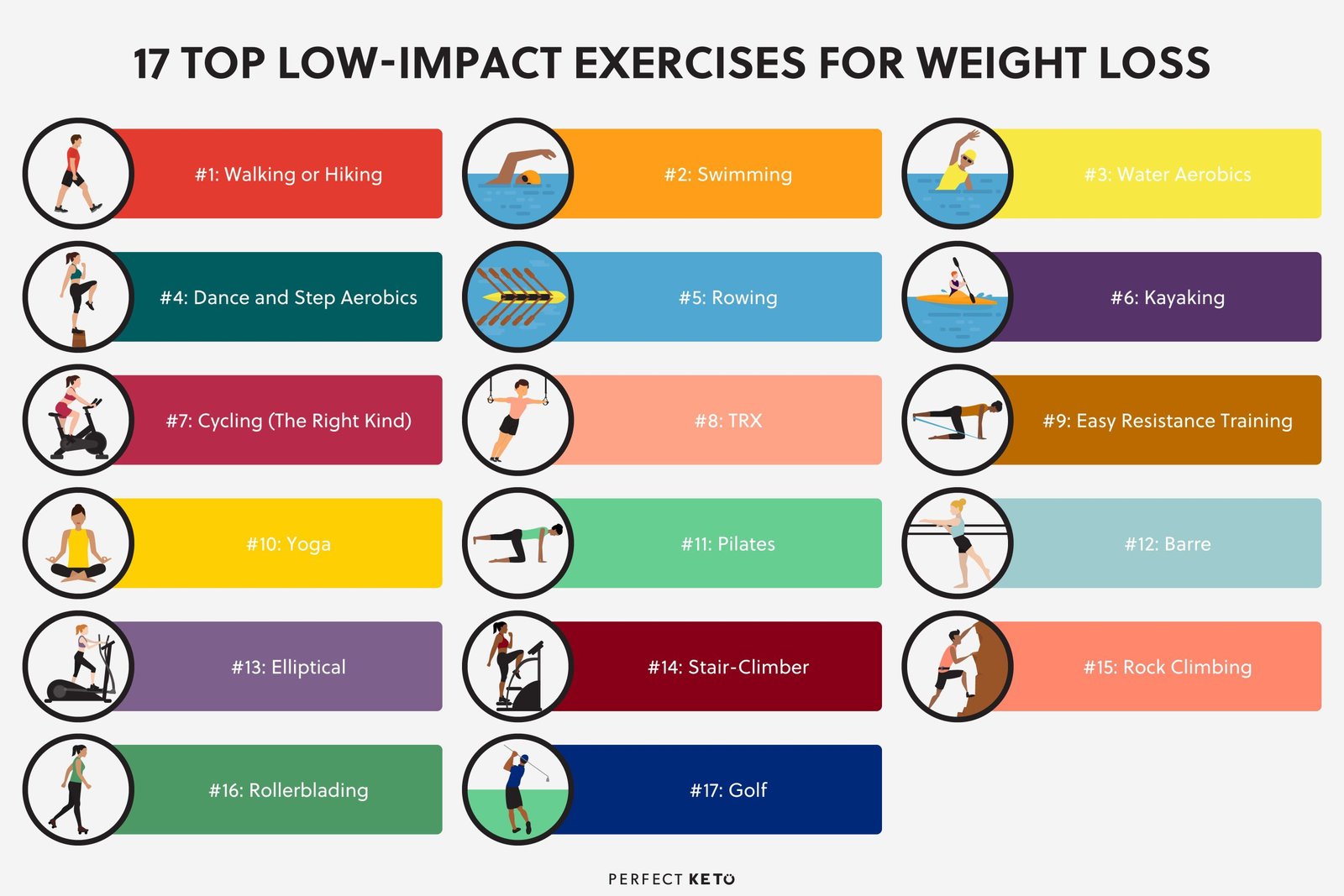
Jumpstarting your fat-burning journey can be simple and enjoyable with walking and low-impact workouts. These gentle yet effective activities are perfect for burning calories without stressing your joints, making them accessible for everyone. By incorporating consistent walking routines and low-impact exercises into your daily life, you can boost your metabolism and shed pounds steadily. The key is to stay active regularly and progressively increase your activity level for optimal results. Whether you’re a beginner or looking for a sustainable way to stay fit, these workouts offer a practical and enjoyable path to fat loss.
In short, using walking and low-impact workouts for fat burn involves maintaining a regular routine that gradually intensifies to maximize calorie burn, all while being gentle on your body. Consistency and patience are essential to see lasting results. Incorporate these activities into your daily schedule and enjoy the process of becoming healthier and more energized along the way.

How to Use Walking and Low Impact Workouts for Fat Burn
Walking and low impact workouts are excellent options for burning fat without putting too much stress on your joints. They are accessible, easy to start, and effective when done regularly. Knowing how to incorporate these activities into your routine can help you achieve your weight loss goals safely and sustainably.
Understanding Low Impact Workouts and Their Benefits
Low impact workouts are exercises that place minimal stress on your joints, making them suitable for all fitness levels. These exercises focus on controlled movements that raise your heart rate without causing excessive strain. Benefits include improved cardiovascular health, increased endurance, and effective fat burning with a lower risk of injury.
Compared to high impact exercises, low impact workouts help reduce muscle soreness and joint pain. They are perfect for beginners, those recovering from injury, or anyone with joint issues. Regularly engaging in these activities helps boost metabolism, which is essential for burning calories and shedding excess fat.
Why Walking Is a Top Choice for Fat Burning
Walking is one of the simplest, most accessible forms of exercise. It requires no equipment except comfortable shoes. Walking effectively burns calories, improves circulation, and boosts overall health. It’s especially beneficial for those new to physical activity or with limited mobility.
Walking at a brisk pace increases your heart rate, leading to more calorie expenditure. Consistent walking can also help reduce visceral fat, which is linked to heart disease and other health problems. Incorporating walking into your daily routine is an easy way to support weight loss efforts.
Setting Realistic Goals for Walking and Low Impact Workouts
Start by defining clear, achievable goals such as walking for 30 minutes daily or performing low impact exercises three times a week. Setting realistic goals helps you stay motivated and prevents burnout. Track your progress with a journal, app, or simple calendar to see your improvements over time.
Balance your workout intensity to prevent fatigue. For example, alternate brisk walking days with slower recovery sessions. Gradually increase duration and intensity as your fitness level improves to keep challenging your body for continued fat burn.
How to Maximize Fat Burn with Walking
Maintain a Brisk Pace
Walking at a pace that makes you breathe harder but still allows conversation is ideal for fat burning. Aim for a pace of about 3.5 to 4.5 miles per hour for most people. Use a stopwatch or fitness tracker to monitor your speed and duration.
Incorporate Inclines and Hills
Walking uphill or on inclined surfaces increases your effort and engages more muscles. This boosts calorie burn and can help target stubborn fat areas. Look for parks or areas with gentle slopes to vary your walking route.
Use Proper Technique
Maintain good posture by keeping your back straight, shoulders relaxed, and chin up. Swing your arms naturally and take full, heel-to-toe steps. Proper technique enhances efficiency and reduces the chance of injury.
Adding Low Impact Strength and Flexibility Exercises
Complement walking with low impact strength exercises. Gentle routines such as chair squats, wall push-ups, and leg lifts improve muscle tone and support fat loss. Flexibility exercises like stretching help maintain mobility and prevent stiffness.
Incorporate these exercises into your routine for full-body benefits. For example, do a few stretching routines after walking sessions to cool down and improve circulation.
Creating a Weekly Workout Schedule
| Day | Activity | Duration | Intensity |
|---|---|---|---|
| Monday | Brisk walking | 30 minutes | Moderate to high |
| Tuesday | Low impact strength exercises | 20 minutes | Low to moderate |
| Wednesday | Walking with incline | 30 minutes | Moderate |
| Thursday | Stretching and flexibility routine | 15 minutes | Low |
| Friday | Mixed walking and low impact workout | 40 minutes | Moderate to high |
| Saturday | Active rest or light walking | 20-30 minutes | Low |
| Sunday | Rest or gentle stretching | As needed | Low |
Monitoring Progress and Staying Motivated
Use fitness trackers, apps, or simple logs to monitor your walking duration, pace, and how you feel after workouts. Celebrate milestones like completing a week of consistent activity or increasing your walking time.
Find motivation by varying your routes, listening to music or podcasts, or walking with a friend. Remember that consistency is key to seeing fat-burning results over time.
Additional Tips for Effective Fat Burn
- Stay hydrated before, during, and after workouts.
- Wear comfortable, supportive shoes to prevent injuries.
- Pair your walking routine with a balanced diet rich in vegetables, lean proteins, and whole grains.
- Aim for at least 150 minutes of moderate activity each week, as recommended by health professionals.
Related Topics for Enhanced Results
Nutrition Tips to Support Fat Burn
Eating the right foods enhances your workout efforts. Focus on whole foods, reduce processed snacks, and limit sugary drinks. Proper nutrition fuels your workouts and accelerates fat loss.
Incorporating Interval Training
Though typically associated with high-impact exercises, you can incorporate gentle interval training during walking. Alternate between brisk walking and slower recovery periods to boost fat burning without added joint stress.
Using Technology to Track Your Progress
Apps and fitness devices can help you set goals, monitor steps, and analyze your performance. They can motivate you to stay committed and track your fat-burning journey over time.
Combining walking and low impact workouts into your daily routine offers a sustainable way to burn calories, shed fat, and improve overall health. Regular activity, proper technique, and balanced nutrition make a powerful trio for achieving your fitness goals and maintaining a healthier lifestyle.
30 Minute FAT BURNING Walking Workout | Get Fit LOSE WEIGHT Low Impact!
Frequently Asked Questions
What are effective strategies to increase fat burn during walking and low-impact workouts?
To boost fat burning, focus on maintaining a brisk pace that elevates your heart rate but remains sustainable. Incorporate intervals by alternating between faster walking and slower recovery periods. Additionally, add incline walks on hills or treadmills to engage more muscles, which enhances calorie expenditure. Staying consistent with these approaches helps improve overall fat loss results.
How should I structure my walking sessions for optimal fat loss?
Begin with a warm-up of five to ten minutes of gentle walking. Then, aim for 30 to 45 minutes of brisk walking or low-impact workouts, keeping your intensity moderate. Include short periods of increased effort, like brisk walking for two-minute intervals, to challenge your body. Finish with a cool-down period to gradually lower your heart rate and promote recovery. Regularly adjusting your pace and duration ensures continuous progress.
Are there any specific techniques or equipment that can enhance fat burning during low-impact workouts?
Using light weights or resistance bands during walking can raise your workout intensity slightly. Wearing weighted vests also adds resistance, helping to burn more calories. Incorporating arm movements or Nordic walking poles can increase upper body engagement, further elevating energy expenditure. Focus on proper posture and controlled movements to maximize effectiveness and prevent strain.
How can I prevent injuries while engaging in walking and low-impact exercises for fat loss?
Wear supportive footwear that fits well and cushions your feet properly. Warm up before each workout and stretch afterward to maintain flexibility. Avoid overexerting yourself by listening to your body and taking rest days when needed. Gradually increase the intensity and duration of your workouts to allow your body to adapt safely. Proper hydration and using good form also help reduce injury risk.
How often should I incorporate walking or low-impact workouts into my weekly routine for consistent fat burning?
Aim to engage in such workouts at least five days each week, with sessions lasting around 30 to 60 minutes. Vary the intensity and duration to prevent plateaus and keep motivation high. Combining these activities with other forms of exercise or strength training complements fat loss efforts. Consistency and gradual progression are key to seeing sustained results over time.
Final Thoughts
In summary, how to use walking and low impact workouts for fat burn effectively involves consistency and proper technique. Incorporate brisk walking into your daily routine or opt for gentle workouts that raise your heart rate without strain. These activities help burn calories and improve overall health. By staying committed, you can see significant results without putting stress on your joints. Incorporate these exercises regularly, and you’ll enhance your fat-burning efforts while maintaining a safe, sustainable routine.
As an Amazon Associate, We earn from qualifying purchases. When you purchase a product through Amazon links on pulsefitguide.com, we may earn a small commission at no extra cost to you. This helps support the site and keep our content free.
