


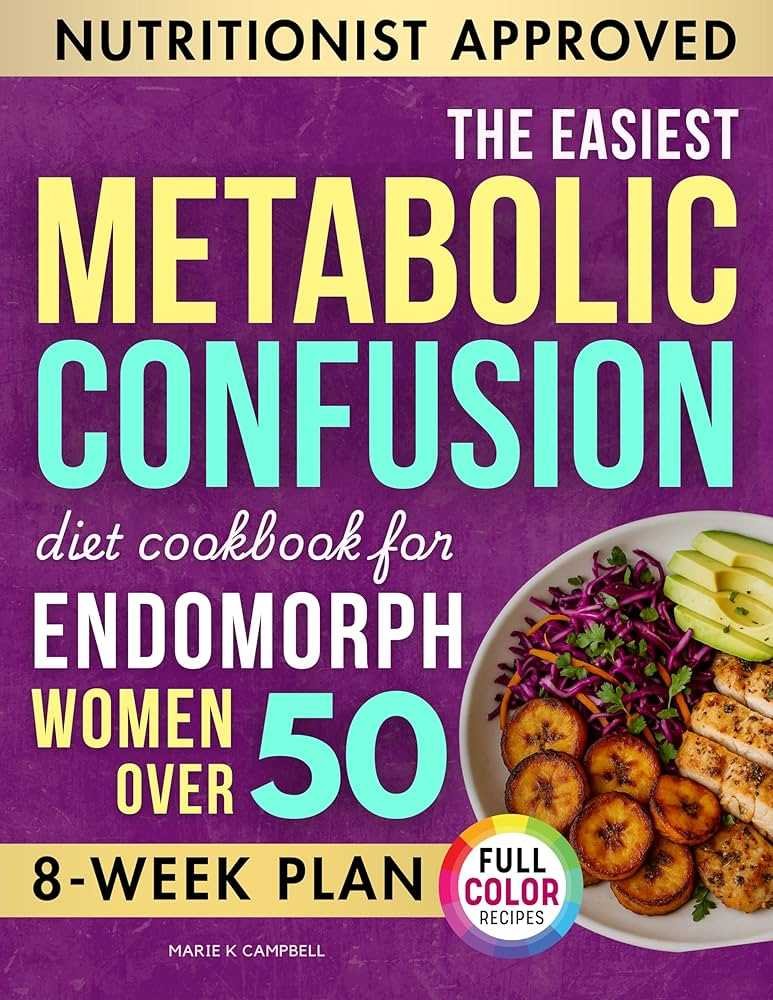
Struggling to shed those extra pounds after 50? Balancing your hormones can make a big difference in making weight loss easier and more effective. The key lies in managing insulin, cortisol, estrogen, and testosterone levels through simple lifestyle changes. By adjusting your diet, exercising regularly, and reducing stress, you can support hormonal harmony and boost your metabolism naturally.
Keeping hormones in check is essential for weight loss after 50 because hormonal shifts can slow down metabolism and increase fat storage. Focus on nourishing your body with whole foods, staying active, and prioritizing sleep and stress management. These steps can help restore hormonal balance, making weight loss achievable and sustainable at any age.
As we age, hormonal changes can feel like hurdles to maintaining a healthy weight, but they are manageable with the right approach. Understanding how your hormones influence fat storage and metabolism can empower you to adopt effective habits. From balancing blood sugar to reducing stress, small adjustments can lead to noticeable improvements and renewed confidence in your health journey.

How to balance hormones for easier weight loss over 50
Understanding Hormones and Their Role in Weight Loss
Hormones are chemicals in your body that control many functions, including metabolism and appetite. As you age, hormone levels naturally change, affecting how your body processes food and stores fat. Balancing these hormones can make weight loss easier, especially after turning 50.
Testosterone, estrogen, insulin, cortisol, and thyroid hormones all play a part. When these hormones are out of balance, it can lead to increased fat storage, reduced muscle mass, or feelings of fatigue. Therefore, maintaining hormonal harmony is essential for effective weight management over 50.
Common Hormonal Changes After 50
Many women and men experience significant hormonal shifts during this age. Women often encounter menopause, which drops estrogen and progesterone levels. Men may face a decline in testosterone, called andropause.
These changes can cause:
- Increased visceral fat
- Reduced energy levels
- Slower metabolism
- Altered hunger cues
- Sleep disturbances
Understanding these shifts helps you target your efforts to balance hormones more effectively.
Key Factors in Hormonal Balance for Weight Loss
Achieving hormone balance involves multiple lifestyle factors, such as diet, exercise, sleep, and stress management. Each element influences hormone production and regulation.
Focusing on these factors collectively creates a supportive environment for weight loss:
- Diet: Nutrient-rich foods promote hormone health.
- Exercise: Resistance and aerobic workouts boost metabolism and hormone production.
- Sleep: Quality sleep is vital for hormonal regulation.
- Stress Reduction: Managing stress reduces excess cortisol, which can impede weight loss.
Next, we delve into specific strategies for each area.
Dietary Strategies to Support Hormonal Balance
What you eat directly impacts hormone levels and activity. Consuming whole, unprocessed foods rich in nutrients supports optimal hormone function.
Focus on:
- Healthy fats: Include avocados, nuts, seeds, and olive oil, which help produce hormones like testosterone and estrogen.
- Lean proteins: Chicken, fish, beans, and legumes provide amino acids necessary for hormone synthesis.
- High-fiber foods: Vegetables, fruits, and whole grains regulate insulin and blood sugar levels.
- Limit sugar and processed foods: Excess sugar spikes insulin, leading to fat storage.
Supplements can also support hormonal health. Vitamin D, magnesium, and omega-3 fatty acids are often recommended to improve hormone production and reduce inflammation.
Exercise and Physical Activity for Hormonal Optimization
Regular physical activity influences many hormones involved in weight management. Both resistance training and cardio have unique benefits.
Benefits of resistance training:
- Builds muscle mass, which increases resting metabolic rate
- Enhances testosterone and human growth hormone production
- Improves insulin sensitivity
Cardio exercises:
- Help burn calories and reduce visceral fat
- Support cardiovascular health and hormone regulation
Aim for at least 150 minutes of moderate exercise weekly, combining both resistance and aerobic activities for optimal results.
Prioritizing Sleep for Hormonal Balance
Sleep quality deteriorates with age, but it remains crucial for hormone regulation. Poor sleep can lead to elevated cortisol and decreased leptin and ghrelin, hormones that control hunger and fullness.
Tips for better sleep:
- Stick to a consistent sleep schedule
- Create a relaxing bedtime routine
- Avoid caffeine and screens before bed
- Ensure a comfortable, dark, and quiet sleeping environment
Getting enough sleep helps balance cortisol, insulin, and other hormones that impact weight.
Managing Stress to Reduce Cortisol Levels
Chronic stress leads to higher cortisol, which encourages fat storage, especially around the abdomen. Managing stress improves overall hormonal harmony.
Effective stress reduction techniques:
- Practice mindfulness or meditation
- Engage in gentle yoga or tai chi
- Spend time outdoors and connect with nature
- Limit caffeine intake and avoid overworking
Reducing stress supports balanced cortisol levels, easing the path to weight loss.
Supplements and Natural Remedies for Hormonal Support
Certain supplements may assist in balancing hormones and boosting metabolism. Always consult with a healthcare provider before starting any new supplement.
Popular options include:
- Vitamin D: Supports overall hormonal health
- Magnesium: Helps regulate cortisol and sleep
- Omega-3 Fatty Acids: Reduce inflammation and support hormone production
- Adaptogenic herbs: Ashwagandha and Rhodiola can help manage stress hormones
Natural remedies and herbal supplements can complement lifestyle changes but should not replace a balanced diet and regular activity.
Monitoring and Adjusting Your Approach
Regular health check-ups help track hormone levels and nutritional status. Blood tests can identify deficiencies or imbalances needing correction.
Track your progress with:
- Weight and body measurements
- Energy levels and sleep quality
- Hunger and fullness cues
- Stress levels and mood
Adjust your routines based on these indicators and seek professional guidance for personalized solutions.
Additional Tips for Supporting Hormonal Health
Other lifestyle habits can further support hormonal balance. Avoid toxins found in plastics, pesticides, and household chemicals that interfere with endocrine function.
Stay hydrated, limit alcohol intake, and maintain a healthy weight to keep hormones functioning optimally. Remember, consistency and patience are key to long-term hormonal health and weight management after 50.
By embracing these strategies, you can support your body’s natural hormonal balance, making weight loss feel more achievable and sustainable.
How to Make Weight Loss Easier After Menopause/Perimenopause
Frequently Asked Questions
What dietary changes can support hormonal balance for women over 50?
Adding nutrient-dense foods like vegetables, lean proteins, healthy fats, and whole grains helps support hormonal health. Reducing processed foods, refined sugars, and excess alcohol minimizes hormonal disruptions. Incorporate foods rich in omega-3 fatty acids and antioxidants, such as salmon and berries, to reduce inflammation and promote hormone regulation.
How does regular physical activity influence hormone levels in women over 50?
Engaging in consistent exercise, including strength training and aerobic activities, helps regulate insulin sensitivity and decreases fat accumulation, which in turn balances hormones like estrogen and progesterone. Physical activity also releases endorphins, reducing stress hormones like cortisol, and supports overall metabolic health.
What role does sleep play in maintaining hormonal balance beyond 50?
Prioritizing quality sleep allows the body to produce and regulate hormones effectively. Poor sleep increases cortisol levels and disrupts insulin and leptin balance, which can hinder weight loss. Establishing a regular sleep schedule, creating a relaxing bedtime routine, and minimizing screen time before bed enhance sleep quality and support hormonal health.
Are there specific supplements that can aid in balancing hormones for weight management after 50?
Supplements such as vitamin D, magnesium, and omega-3 fatty acids may support hormonal balance. Adaptogens like maca root and herbal teas like chasteberry can also help regulate hormones naturally. However, consult with a healthcare professional before adding supplements to your routine to ensure they suit your individual needs.
How can managing stress impact hormone levels and weight loss after 50?
Chronic stress raises cortisol, which can lead to increased fat storage and hormonal imbalances. Incorporating relaxation techniques like meditation, deep breathing, or yoga lowers stress hormones and supports proper hormonal function. Managing stress effectively helps create an environment conducive to easier weight loss and overall health.
Final Thoughts
How to balance hormones for easier weight loss over 50 requires a practical approach. Prioritize a nutrient-rich diet with healthy fats, lean proteins, and fiber to support hormonal health. Regular exercise, especially strength training and cardio, boosts metabolism and balances hormones naturally. Adequate sleep and stress management also play key roles in maintaining hormonal balance. Implementing these strategies makes weight loss more achievable and sustainable after 50.
As an Amazon Associate, We earn from qualifying purchases. When you purchase a product through Amazon links on pulsefitguide.com, we may earn a small commission at no extra cost to you. This helps support the site and keep our content free.
