


To manage portion sizes for men over 50, focus on using smaller plates, paying attention to hunger cues, and balancing meals with nutrient-dense foods. Incorporate mindful eating habits to avoid overeating and maintain a healthy weight. Adjust portion sizes based on activity level and consult with a healthcare professional for personalized guidance.
Keeping portion sizes in check is crucial for men over 50 who want to stay healthy and energized. As metabolism slows with age, eating the right amounts becomes more important than ever. The key is to enjoy satisfying meals without overeating, which can lead to weight gain and health issues. Simple strategies like using smaller plates, eating slowly, and choosing nutrient-rich foods can make a big difference. It’s all about finding a balance that supports your lifestyle and health goals, helping you feel your best at any age.

How to Manage Portion Sizes for Men Over 50
Understanding Changing Nutritional Needs After 50
As men age past 50, their bodies undergo many changes that impact how they process food. Metabolism tends to slow down, making it easier to gain weight if portion sizes are not adjusted. Additionally, muscle mass decreases, which means fewer calories are needed daily. Recognizing these shifts helps in setting appropriate portion sizes to stay healthy.
Why Portion Control Is Vital for Men Over 50
Eating large portions regularly can lead to weight gain, which increases the risk of health issues like diabetes, heart disease, and joint problems. Managing portion sizes helps control calorie intake and supports maintaining a healthy weight. Proper portion control also promotes better digestion and energy levels.
How to Determine Proper Portion Sizes
Getting a grasp on ideal portion sizes ensures you don’t eat too much or too little. Use visual cues such as the size of your palm for protein, a cupped hand for carbs, and your fist for vegetables. Measuring cups or a kitchen scale provide more precise portions, especially when starting.
Visual Guides for Portion Control
- Protein: About the size of your palm or a deck of cards
- Carbohydrates: Approximately the size of your clenched fist
- Vegetables: Two fists or a generous handful
- Fats: About the size of your thumb
Tips for Managing Portion Sizes in Daily Meals
Incorporate simple strategies to keep portions in check. Use smaller plates and bowls to naturally limit servings. Plan meals ahead of time, focusing on nutrient-dense foods that fill you up with fewer calories. Mindful eating encourages awareness of hunger cues and prevents overeating.
Using Smaller Plates and Bowls
Switching to smaller dishware tricks your brain into perceiving a full plate. This psychological trick helps you feel satisfied with less food. It is a simple but effective way to reduce overall calorie intake.
Meal Planning and Prep
Preparing meals in advance helps prevent last-minute, larger portions. Focus on balanced plates that include lean protein, whole grains, and plenty of vegetables. Portioning out meals before eating ensures controlled intake and reduces impulsive overeating.
Incorporating Nutrient-Dense Foods
Choose foods that provide high nutritional value without excessive calories. Vegetables, fruits, lean meats, whole grains, and healthy fats should be staples in your diet. These foods support health and help you feel full longer, making portion control easier.
Benefits of Nutrient-Dense Choices
Nutrient-dense foods provide essential vitamins and minerals that support aging bodies. They help maintain muscle mass, boost immunity, and improve overall health. Filling up on these foods prevents the need for larger portions of less healthy options.
Balancing Macronutrients for Optimal Health
A well-rounded diet includes the right balance of protein, carbohydrates, and fats. Proper macro distribution supports energy levels and weight management. Adjust your intake based on activity level, health conditions, and personal goals.
Sample Macro Ratios for Men Over 50
| Macronutrient | Recommended Percentage of Daily Calories |
|---|---|
| Protein | 20-25% |
| Carbohydrates | 45-50% |
| Fats | 25-30% |
Exercise and Portion Control
Regular physical activity complements portion management by burning calories and building muscle. Strength training helps counteract age-related muscle loss, boosting metabolic rate. Combining exercise with mindful eating enhances overall health outcomes.
Types of Exercises Ideal for Men Over 50
- Walking: Low impact, easy to incorporate daily
- Strength Training: Builds muscle, increases metabolism
- Flexibility Exercises: Improves joint health and mobility
Additional Strategies to Manage Portions
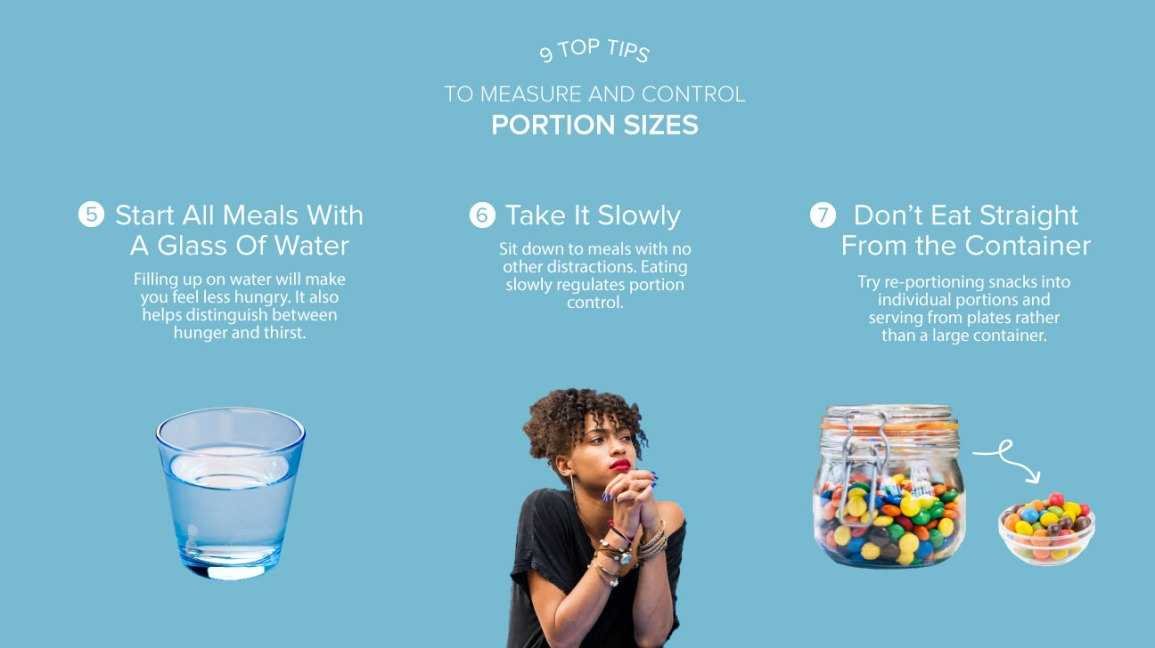
Other helpful tips include eating slowly, savoring each bite, and listening to your body’s signals of fullness. Avoid eating straight from packages, which can lead to uncontrollable portions. Keep healthy snacks handy to prevent overeating during mealtime.
Mindful Eating Practices
Pay attention to taste, texture, and aroma of your food to increase satisfaction. Eating without distractions like TV or smartphones helps you recognize when you’re full. Regularly checking in with hunger cues encourages better portion choices.
Monitoring Progress and Making Adjustments
Track your food intake using journals or apps to stay aware of portion sizes. Adjustments may be needed if weight loss stalls or if your activity level changes. Regularly consulting with healthcare providers ensures your diet aligns with your health goals.
Tools for Portion Tracking
- Food diaries
- Mobile apps like MyFitnessPal or Lose It!
- Kitchen scales and measuring cups
Addressing Common Challenges in Portion Management
Many men face obstacles such as emotional eating or social gatherings. Developing coping strategies, like finding alternative stress relievers, can prevent overeating. Planning ahead for social events helps maintain portion control without feeling deprived.
Handling Social Situations
Order smaller portions, share dishes, or choose healthier menu options. Communicate your health goals to friends and family for support. Always listen to your body’s signals, even when faced with tempting foods.
Managing portion sizes for men over 50 involves understanding body changes, choosing nutrient-dense foods, and practicing mindful eating. Combining these strategies with regular physical activity helps maintain a healthy weight and supports overall well-being. Small, consistent efforts can lead to lasting healthy habits and a better quality of life.
Healthy Eating – Portion Control | Dr. Nick Zyrowski
Frequently Asked Questions
What strategies can men over 50 use to better control their food intake during meals?
Men over 50 can manage their food intake by using smaller plates and bowls, which naturally encourage portion control. They should focus on eating slowly and savoring each bite, giving their body time to recognize fullness. Planning meals ahead of time helps avoid impulsive eating, while paying attention to hunger cues ensures they eat only when genuinely hungry. Incorporating more fiber-rich foods can also promote satiety without increasing calorie intake.
How can understanding calorie needs assist men over 50 in managing portion sizes?
Understanding their daily caloric requirements helps men over 50 tailor their portion sizes appropriately. They should aim to consume enough calories to maintain energy without overeating, which can lead to weight gain. Using nutrition labels and measuring portions helps ensure their intake aligns with these needs. Balancing calorie intake with physical activity further supports healthy weight management and overall well-being.
What practical tips can men over 50 follow to avoid overeating during social meals?
During social meals, men over 50 can keep control by choosing smaller servings or sharing dishes. They should focus on engaging in conversations rather than eating mindlessly, and avoid going back for seconds unless truly hungry. Drinking water before and during the meal can also curb appetite. Planning ahead by eating a healthy snack beforehand helps prevent overeating when faced with abundant options.
How does incorporating nutrient-dense foods help with portion management for men over 50?
Eating nutrient-dense foods allows men over 50 to feel full and satisfied while consuming fewer calories. These foods, rich in vitamins, minerals, fiber, and healthy fats, provide essential nutrients without excessive energy. Incorporating vegetables, lean proteins, and whole grains into meals ensures balanced nutrition and can reduce the tendency to overeat less nutritious options.
What role does regular physical activity play in managing portion sizes for men over 50?
Engaging in regular physical activity helps men over 50 maintain a healthy weight and supports their ability to manage portion sizes effectively. Exercise increases calorie expenditure and can improve appetite regulation. It also promotes muscle mass preservation, which is vital for metabolism. Combining consistent activity with mindful eating creates a sustainable approach to health and portion control.
Final Thoughts
How to manage portion sizes for men over 50 is essential for maintaining health. Start by using smaller plates to control your servings naturally. Focus on filling half your plate with vegetables, which are low in calories but high in nutrients.
Portion control also involves mindful eating; chew slowly and listen to your body’s hunger signals. Prepare balanced meals ahead of time to avoid overeating. Staying aware of portion sizes supports overall well-being as you age.
As an Amazon Associate, We earn from qualifying purchases. When you purchase a product through Amazon links on pulsefitguide.com, we may earn a small commission at no extra cost to you. This helps support the site and keep our content free.
