


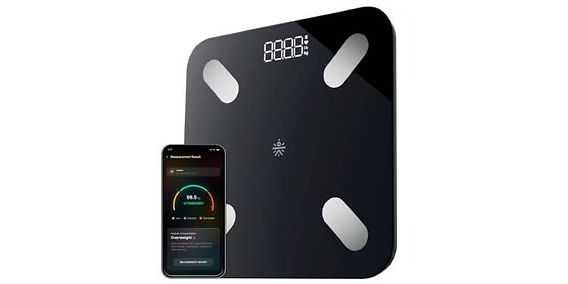
To effectively monitor your weight and health metrics after 50, use a combination of wearable devices, regular check-ups, and mindful tracking of your daily habits. This approach helps you stay informed about your progress and make timely adjustments to your lifestyle. Start by setting realistic goals, incorporate simple tools like digital scales and health apps, and prioritize consistent monitoring. Remember, staying proactive about your health is key to maintaining vitality and well-being in your golden years.
Tracking your weight and health metrics after 50 doesn’t have to be complicated. With the right tools and habits, you can easily monitor essential indicators like weight, blood pressure, and activity levels to support your health goals. The key is consistency and making informed choices based on the data you collect. By staying engaged and proactive, you can enjoy a healthier, more energetic life well into your later years.
As we age, maintaining good health becomes increasingly important, but it can also seem overwhelming. Fortunately, tracking your weight and overall health metrics is more straightforward than you might think. With a few simple techniques and a bit of dedication, you can stay on top of your health, detect early signs of issues, and adapt your lifestyle accordingly. Whether it’s monitoring your weight, blood pressure, or activity levels, consistent tracking empowers you to make smarter decisions and enjoy your life to the fullest after 50.

How to track weight and health metrics after 50
Understanding the Importance of Monitoring Health After 50
Staying on top of your weight and health metrics becomes more crucial as you age. Regular monitoring helps catch early signs of health problems and keeps you informed about your overall wellness. It also encourages healthy habits and keeps motivation high.
Key Health Metrics to Track After 50
Tracking certain metrics can give a clear picture of your health status. These include:
- Weight: Helps monitor weight changes and prevent obesity or unintended weight loss.
- Body Mass Index (BMI): Provides insights into weight relative to height, indicating if you are underweight, at a healthy weight, or overweight.
- Waist Circumference: Measures abdominal fat, which links to heart disease and diabetes risk.
- Blood Pressure: Keeps track of hypertension risk, a common concern after 50.
- Blood Glucose Levels: Monitors for diabetes or prediabetes.
- Cholesterol Levels: Assesses risk for cardiovascular disease.
- Bone Density: Especially important for women, to prevent osteoporosis.
Essential Tools and Devices for Tracking Metrics
Using the right tools makes tracking easier and more accurate. Here are some popular options:
- Digital Scales: For consistent weight measurement, look for ones with Bluetooth or Wi-Fi connectivity.
- Measuring Tape: To track waist circumference accurately.
- Blood Pressure Monitors: Automatic devices that are easy to use at home.
- Blood Glucose Meters: Portable devices to check blood sugar levels.
- Cholesterol Test Kits: At-home testing kits for quick lipid profiling.
- Bone Density Scanners: Usually available at medical clinics; regular screenings are recommended for women over 50.
How to Record and Track Your Data Effectively
Consistency is the key to meaningful data. Keep a health journal or digital log to record your measurements. Note the date, time, and any relevant details like diet or activity levels.
Tips for Accurate Measurements
- Measure weight and waist circumference at the same time each day, ideally in the morning after waking up.
- Use the same device for consistency.
- Follow device instructions carefully to ensure accuracy.
- Avoid measuring immediately after eating or exercising.
Establishing a Routine for Monitoring Health Metrics
Create a schedule that fits your lifestyle, such as weighing yourself weekly or checking blood pressure every morning. Set reminders on your phone or calendar to stay consistent.
Sample Monitoring Schedule
- Weekly: Weight, waist circumference, and blood pressure.
- Monthly: Blood glucose and cholesterol levels (via lab tests or at-home kits).
- Annually: Bone density scans and comprehensive health checkups.
Interpreting Your Data and Knowing When to Seek Help
Understanding your measurements is vital for health management. Use reference ranges provided by your healthcare provider to interpret results.
Signs You Should Consult a Healthcare Professional
- Sudden weight changes that are unexplained.
- Blood pressure consistently above 130/80 mmHg.
- Blood sugar levels indicating prediabetes or diabetes.
- Cholesterol levels above recommended limits.
- Signs of osteoporosis, such as frequent fractures or back pain.
Leveraging Technology for Better Tracking and Insights
Many apps and online tools make tracking straightforward and insightful. Some apps sync with devices for real-time updates, allowing you to see trends over time.
Popular Health Tracking Apps
- MyFitnessPal: Monitors diet, weight, and activity.
- Apple Health or Google Fit: Integrate data from various devices and sensors.
- Blood Pressure & Glucose Apps: Specific apps to log and analyze readings.
Staying Motivated and Making Adjustments
Regularly reviewing your data helps you stay motivated. Celebrate progress and set achievable goals to maintain healthy habits.
Tips to Stay on Track
- Share your goals with family or friends for support.
- Set small milestones to keep motivated.
- Adjust your diet and exercise routines based on your data trends.
- Remember that changes take time—patience is key.
Additional Tips for Maintaining Good Health After 50
Along with tracking metrics, focus on regular physical activity, balanced nutrition, sufficient sleep, and stress management. These factors influence your health and complement your monitoring efforts.
Healthy Lifestyle Recommendations
- Engage in moderate exercise such as walking, swimming, or yoga for at least 150 minutes weekly.
- Eat a diet rich in fruits, vegetables, lean proteins, and whole grains.
- Limit processed foods, salt, and added sugars.
- Ensure 7 to 8 hours of quality sleep each night.
- Practice stress reduction techniques like meditation or deep breathing exercises.
Tracking weight and health metrics after 50 helps you understand your body’s needs and make informed decisions. Regular monitoring, combined with a healthy lifestyle, supports longevity and a good quality of life. By staying consistent and proactive, you can address potential health issues early and maintain your wellness well into your later years.
Instead of Body Mass Index (BMI), Use THIS…
Frequently Asked Questions
What tools can help me accurately monitor my health markers over time?
Using digital health devices such as smart scales, blood pressure monitors, and activity trackers can provide precise data on weight, blood pressure, and physical activity. These tools often sync with mobile apps, enabling you to keep an organized record of your health metrics and observe trends over weeks or months.
How often should I check my health status to stay on track?
Regular monitoring is key; consider weighing yourself weekly to observe long-term patterns, while checking blood pressure and other health metrics every few days or as recommended by your healthcare provider. Consistent tracking helps identify any changes that may require medical attention early on.
What are some effective methods for recording my health data?
You can manually log your health information in a journal or digital app, or rely on connected devices that automatically record your metrics. Setting reminders to check and log your data ensures consistency and helps you stay engaged with your health goals.
How do I interpret changes in my health measurements with age?
Recognize that some fluctuations are normal as you age, but significant or sudden changes warrant consultation with your healthcare provider. Understanding your individual baseline and tracking trends over time help distinguish between normal variations and potential health concerns.
Can lifestyle adjustments influence the way I should track my progress?
Yes, adapting your tracking methods based on changes in activity levels, diet, or health status ensures your monitoring remains relevant. For example, if you start a new exercise routine, monitor specific metrics like endurance and muscle strength to gauge improvements and adjust your plan accordingly.
Final Thoughts
How to track weight and health metrics after 50 is essential for maintaining well-being. Use a digital scale to monitor weight regularly, and record your data to observe trends over time. Incorporate a fitness tracker to monitor activity levels and sleep quality. Regular checkups with your healthcare provider help assess key health indicators. Staying consistent with these practices ensures you maintain control over your health and make informed decisions.
As an Amazon Associate, We earn from qualifying purchases. When you purchase a product through Amazon links on pulsefitguide.com, we may earn a small commission at no extra cost to you. This helps support the site and keep our content free.
