


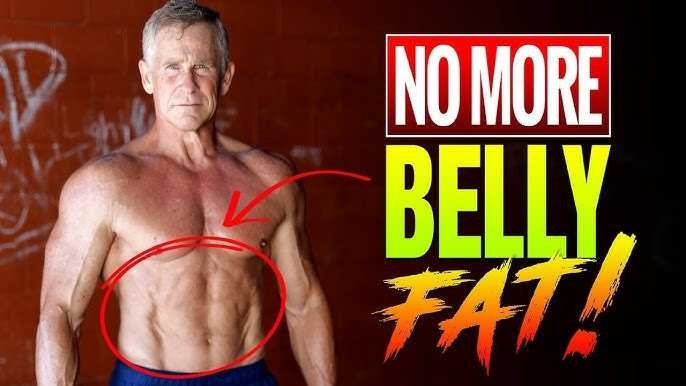
Pour perdre la graisse du ventre après 50 ans, il est essentiel d’adopter une alimentation équilibrée, de faire de l’exercice régulièrement, et de surveiller ses niveaux de stress. Concrètement, combiner une alimentation riche en fibres et pauvre en sucres, avec des exercices de renforcement musculaire et cardiovasculaires, peut faire toute la différence. La gestion du stress et un sommeil réparateur jouent également un rôle crucial dans la perte de graisse abdominale. En suivant ces conseils, il devient possible de réduire la graisse du ventre, améliorer sa santé globale, et retrouver de l’énergie, même après 50 ans.
Perdre la graisse du ventre après 50 ans demande une approche globale, alliant bonne nutrition, activité physique régulière, et gestion du stress. Il n’y a pas de solution miracle, mais en adoptant des habitudes saines, vous pouvez progressivement retrouver un ventre plus plat et améliorer votre bien-être général. Avec de la patience et de la constance, il est tout à fait possible de gagner en vitalité et en confiance à tout âge.

How to lose belly fat after 50 for men
Understanding Why Belly Fat Happens After 50
As men age past 50, their bodies change in ways that often lead to increased belly fat. Hormonal shifts, particularly a decrease in testosterone, can cause fat to redistribute around the abdomen. Additionally, the natural decline in muscle mass lowers the body’s ability to burn calories efficiently.
Lifestyle factors also play a role; many men become less active and may indulge in comfort foods. These habits contribute to gradual weight gain, especially around the stomach. Recognizing these causes helps in creating an effective plan to shed excess belly fat.
The Importance of a Balanced Diet
A healthy diet is key to reducing belly fat after 50. Focus on eating whole, unprocessed foods that are rich in nutrients and low in added sugars. Incorporate plenty of fruits, vegetables, lean proteins, and whole grains into your meals.
Avoid foods high in saturated fats and trans fats, which can promote fat storage. Stay mindful of portion sizes to prevent overeating. Drinking enough water daily also supports digestion and helps control hunger.
Adjusting Your Calorie Intake
As metabolism slows with age, men need fewer calories to maintain their weight. Calculate your daily calorie needs based on your activity level. If your goal is to lose weight, create a calorie deficit by eating slightly less than your body burns.
A typical recommendation is to reduce intake by 500 calories per day to lose about one pound weekly. Use a food diary or app to track what you eat and stay on target. Remember, slow and steady weight loss is safer and more sustainable.
Incorporating Physical Activity
Regular exercise is essential in burning calories and building muscle. Combine aerobic activities, strength training, and flexibility exercises for overall health. Walking, cycling, swimming, or jogging are excellent cardio options.
Strength training helps maintain muscle mass, which naturally declines after 50. Use body-weight exercises, resistance bands, or weights, aiming for two to three sessions per week. Always include a warm-up and cool-down to prevent injury.
Focus on Core Exercises
Targeted core workouts strengthen abdominal muscles and improve posture. Planks, sit-ups, leg raises, and Russian twists are effective core exercises. Incorporate these into your routine two to three times weekly.
Remember, spot reduction of belly fat is impossible, but strengthening these muscles enhances your overall physique. Combining core exercises with cardio and diet produces better results.
Understanding the Role of Hormones
Hormonal changes impact fat distribution and metabolism in men over 50. Decreased testosterone levels contribute to increased fat accumulation around the belly. Some men might also experience insulin resistance, which promotes visceral fat storage.
Consult your healthcare provider to check hormone levels if needed. They may suggest therapies or lifestyle changes to help balance hormones naturally.
Managing Stress Effectively
Chronic stress raises cortisol levels, which is linked to increased abdominal fat. Practice stress-reducing techniques such as meditation, deep breathing, or yoga. Engaging in hobbies and maintaining social connections can also lower stress.
Getting enough sleep is crucial, as poor sleep increases stress hormones and appetite. Aim for seven to nine hours of quality sleep each night.
Prioritizing Sleep for Fat Loss
Sleep deprivation interferes with hormones that regulate hunger, leading to overeating. It also affects how the body processes glucose and burns fat. Establish a regular sleep schedule and create a calming bedtime routine.
Limit screen time before bed and avoid caffeine late in the day. Good sleep hygiene supports weight loss efforts and overall health.
The Impact of Alcohol and Smoking
Alcohol adds empty calories and can promote fat storage, especially around the abdomen. Cutting back on drinking or avoiding alcohol altogether aids in reducing belly fat.
Smoking accelerates aging and can shift fat to the abdominal area. Quitting smoking improves your overall health and can support your weight loss goals.
Monitoring Progress and Staying Motivated
Track your weight, waist measurements, and body composition regularly. Celebrate small victories to stay motivated. Setting realistic, achievable goals helps maintain consistency over time.
Find a workout buddy or join a support group for accountability. Remember, patience is vital; losing belly fat takes time but is worth the effort.
Additional Tips for Success
- Stay consistent with your exercise routine
- Combine diet, activity, and lifestyle changes for best results
- Be mindful of emotional eating triggers
- Limit processed and sugary foods
- Stay hydrated to support metabolism
- Maintain a positive attitude and be patient with progress
Related Topics to Explore
- How strength training benefits men over 50
- Foods that boost metabolism naturally
- The best exercises to burn belly fat
- Tips for improving sleep quality in older adults
- Managing age-related hormonal imbalances naturally
The 6 Foundations for Men Over 50 to Lose Belly Fat
Frequently Asked Questions
What dietary changes can support fat loss around the abdomen for men over 50?
Men over 50 should focus on eating a balanced diet rich in lean proteins, whole grains, fruits, and vegetables. Reducing intake of processed foods, sugary beverages, and high-fat snacks can decrease calorie consumption and promote fat loss. Incorporating healthy fats like those from nuts, seeds, and avocados also helps control hunger and supports metabolic health. Portion control and mindful eating can prevent overeating and assist in shedding belly fat.
How does strength training help in reducing belly fat for men in their 50s?
Strength training builds muscle mass, which boosts your resting metabolic rate, meaning you burn more calories even when at rest. Engaging in exercises like weightlifting or resistance training helps preserve muscle tissue that naturally diminishes with age, especially around the abdomen. Consistently including strength routines supports fat reduction, enhances overall body composition, and improves core strength, making it easier to manage weight and decrease belly fat.
What role does sleep play in managing belly fat after 50?
Getting enough quality sleep supports hormonal balance and regulates appetite-controlling hormones such as ghrelin and leptin. Poor sleep can lead to increased hunger and cravings, often resulting in overeating and weight gain around the midsection. Prioritizing 7-9 hours of restful sleep each night helps your body recover and maintains metabolic processes that facilitate fat loss, particularly around the belly area.
How can cardiovascular activities aid in reducing abdominal fat for men over 50?
Engaging in regular cardio exercises like walking, cycling, swimming, or jogging elevates your heart rate and burns calories efficiently. These activities help create a calorie deficit, which is essential for fat loss. Incorporating at least 150 minutes of moderate-intensity cardio weekly can significantly decrease abdominal fat, improve cardiovascular health, and boost overall energy levels for men over 50.
Why is managing stress important for losing belly fat in your 50s?
High stress levels increase cortisol production, a hormone linked to increased fat storage, especially in the abdominal region. Chronic stress can also lead to emotional eating and poor dietary choices. Managing stress through techniques like meditation, deep breathing, or engaging in hobbies helps lower cortisol levels, reduces cravings, and supports healthy weight management around the waist for men over 50.
Final Thoughts
To lose belly fat after 50 for men, focus on a balanced diet rich in whole foods and lean proteins. Incorporate regular physical activity like cardio and strength training to boost metabolism. Manage stress and get enough sleep, as these factors influence fat loss. Consistency and patience are key to seeing results. Staying committed will help you achieve a healthier, leaner abdomen as you age.
As an Amazon Associate, We earn from qualifying purchases. When you purchase a product through Amazon links on pulsefitguide.com, we may earn a small commission at no extra cost to you. This helps support the site and keep our content free.
