


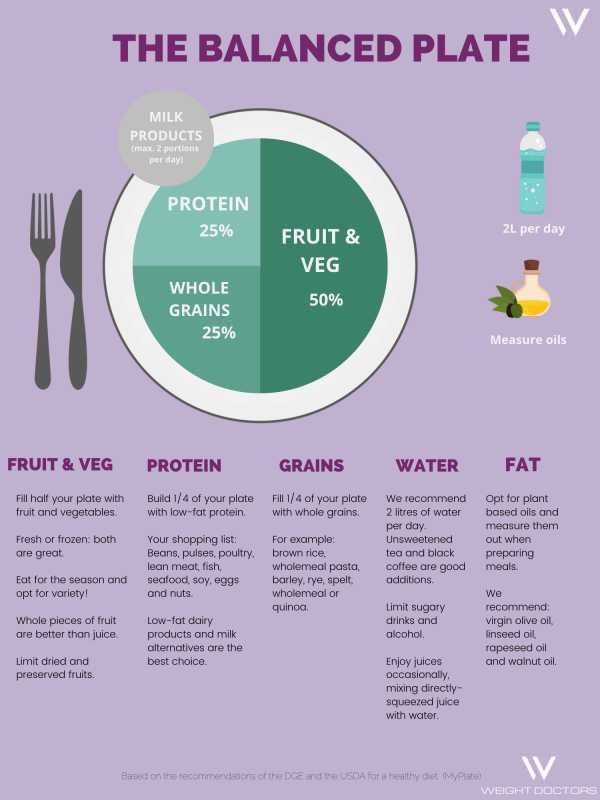
To build a balanced diet for weight loss, focus on incorporating a variety of nutrient-dense foods in the right proportions, emphasizing vegetables, lean proteins, whole grains, and healthy fats. Keep portion sizes in check and stay hydrated while minimizing processed foods and sugary drinks. This approach supports sustainable weight loss and improves overall health.
A balanced diet for weight loss involves choosing nutrient-rich foods that satisfy hunger without excess calories. It emphasizes moderation, variety, and consistency to make healthy eating enjoyable and sustainable. By combining these principles, you can shed pounds effectively while nourishing your body.
Losing weight doesn’t mean depriving yourself of the foods you love; instead, it’s about making smarter choices that nourish your body and keep you satisfied. Building a balanced eating plan is essential for achieving your weight loss goals without feeling deprived or overwhelmed. It’s about creating a sustainable lifestyle where nutritious foods become a natural part of your daily routine, helping you lose weight gradually and healthily. The key is to understand which foods promote satiety, provide essential nutrients, and support your metabolism—making your journey to a healthier weight both effective and enjoyable.

How to build a balanced diet for weight loss
Building a balanced diet for weight loss is about more than just cutting calories. It’s about choosing the right foods in the right amounts to support your health and help you reach your goals. A well-rounded diet provides essential nutrients, keeps you full longer, and boosts your energy levels. Let’s explore how to create a plan that is both nutritious and effective.
Understanding the principles of a balanced diet
A balanced diet includes all the main food groups in appropriate portions. It provides carbohydrates, proteins, fats, vitamins, and minerals necessary for your body’s proper functioning. Balance means not overdoing any one group and ensuring variety to prevent nutrient deficiencies. Your goal is to consume foods that nourish your body without excess calories.
Key components of a healthy diet
- Carbohydrates: Your body’s main energy source. Focus on whole grains, fruits, and vegetables.
- Proteins: Essential for muscle repair and growth. Include lean meats, fish, beans, and nuts.
- Fats: Necessary for hormone production and cell health. Choose healthy fats like olive oil, avocado, and fatty fish.
- Vitamins and Minerals: Support various bodily functions. Get them from fruits, vegetables, dairy, and whole grains.
- Water: Vital for hydration, digestion, and overall health. Aim for at least 8 glasses daily.
Balancing macronutrients for weight loss
Achieving the right proportion of carbs, proteins, and fats helps control hunger and maintain energy. A typical balanced approach involves a moderate intake of each nutrient, tailored to your individual needs.
Recommended macronutrient ratios
| Nutrient | Percentage of daily calories |
|---|---|
| Carbohydrates | 45-55% |
| Proteins | 15-25% |
| Fats | 20-35% |
Choosing nutrient-dense foods within these ranges helps reduce overall calorie intake while satisfying your nutritional needs.
Incorporating fiber for fullness and digestion
Fiber-rich foods help you feel full longer, which can prevent overeating. They also support healthy digestion and regulate blood sugar levels.
Sources of fiber
- Whole grains like oats, brown rice, and whole wheat bread
- Fruits such as apples, berries, and oranges
- Vegetables including broccoli, carrots, and leafy greens
- Legumes like beans, lentils, and chickpeas
Aim to include at least 25 grams of fiber daily for optimal benefits.
Smart portion control and mindful eating
Controlling portion sizes prevents calorie overload and supports gradual weight loss. Use smaller plates, measure servings, and avoid eating straight from packages.
Tips for effective portion control
- Use measuring cups and food scales to understand serving sizes.
- Fill half your plate with vegetables and fruits.
- Include a source of lean protein and whole grains on your plate.
- Limit high-calorie foods and treat them sparingly.
Practicing mindful eating helps you recognize hunger and fullness cues, reducing overeating.
Choosing healthy snacks and avoiding temptations
Snacks are an opportunity to add nutritious elements to your diet, not to sabotage it. Opt for wholesome options that satisfy cravings without excess calories.
Healthy snack ideas
- Fresh fruit with a handful of nuts
- Greek yogurt with berries
- Vegetable sticks with hummus
- Whole grain crackers with cheese
Limit processed snacks high in added sugars and unhealthy fats, and keep tempting foods out of reach.
Meal planning tips for long-term success
Planning your meals in advance helps ensure balanced choices and prevents impulsive eating. Carrying prepared meals or snacks can make healthy eating easier.
Effective meal planning strategies
- Design weekly menus focusing on variety and balance.
- Prepare ingredients or meals in bulk to save time.
- Include a colorful mix of foods to cover different nutrients.
- Stock your kitchen with healthy staples like whole grains, fresh produce, and lean proteins.
Sticking to a plan reduces the likelihood of unhealthy last-minute food choices.
Hydration and its role in weight management
Drinking enough water helps control hunger and supports metabolism. Sometimes, thirst is mistaken for hunger, leading to unnecessary snacking.
Hydration tips
- Drink a glass of water before meals to curb appetite.
- Replace sugary drinks with water, herbal teas, or infused water.
- Keep a water bottle accessible throughout the day.
- Monitor urine color; light yellow indicates proper hydration.
Proper hydration boosts your energy levels and helps your body process nutrients efficiently.
Addressing special dietary considerations
Some people have dietary restrictions or preferences that require adjustments in their diets. Vegetarian, vegan, or food allergy considerations should be incorporated thoughtfully.
Customizing your diet
- Ensure adequate protein intake with plant-based sources like beans, nuts, and soy products.
- Substitute dairy with fortified plant milks if lactose intolerant.
- Be mindful of micronutrient intake, including vitamin B12, iron, and calcium.
- Consult with a healthcare provider or dietitian for personalized advice.
Adapting a balanced diet to your lifestyle ensures sustainability and enjoyment.
Combining diet with physical activity
Diet alone is effective, but combining it with regular movement accelerates weight loss and improves overall health. Find enjoyable activities to stay active consistently.
Suggestions for physical activity
- Walking briskly for at least 30 minutes daily
- Incorporating strength training exercises twice a week
- Engaging in sports or group classes for motivation
- Trying yoga or stretching routines to improve flexibility
Staying active complements your nutrition efforts and makes you feel better physically and mentally.
Tracking progress and making adjustments
Monitoring your food intake and weight changes helps you stay motivated and guide modifications. Use journals, apps, or photos to record your journey.
Tips for effective tracking
- Set realistic goals and celebrate small wins.
- Review your food diary weekly to identify patterns.
- Adjust portion sizes and food choices based on your progress.
- Seek support from friends, family, or professionals if needed.
Flexibility and patience are key as you work towards creating sustainable habits.
Building a balanced diet for weight loss involves understanding your nutritional needs, controlling portions, and making mindful choices. Combining these strategies with consistency and patience will help you achieve your health goals while enjoying your food. Remember, every small change counts and adds up over time for lasting success.
What I Eat In A Day | How I Get 130 grams of protein for healthy weight loss.
Frequently Asked Questions
What are the key nutrient groups to include in a diet aimed at weight loss?
A balanced diet for weight loss should include a variety of nutrient groups to ensure overall health. Prioritize lean proteins like chicken, fish, beans, and tofu to support muscle maintenance. Incorporate a wide range of vegetables and fruits for essential vitamins and fiber, which aid digestion and keep you full. Whole grains such as brown rice, oats, and whole wheat bread provide sustained energy. Don’t forget healthy fats from sources like nuts, seeds, and avocados, which help in hormone regulation and satiety. Combining these components ensures you get vital nutrients while managing calorie intake effectively.
How can I plan my meals to ensure they are balanced and support weight loss?
Start by dividing your plate into sections: half should be filled with vegetables and fruits, a quarter with lean protein, and the remaining quarter with whole grains or starchy vegetables. Aim for portion control to avoid overeating, and include healthy fats in moderation. Preparing meals ahead of time allows better control over ingredients and portions. Incorporate a variety of foods from different groups to meet your nutritional needs and prevent monotony. Staying consistent with meal timing helps regulate hunger and energy levels, making it easier to stick to your weight-loss goals.
What are some practical tips for managing snacking while maintaining a balanced diet?
Choose healthy snacks that provide nutrients without excess calories, such as fresh fruits, vegetables with hummus, or a handful of nuts. Keep portion sizes small to prevent overeating between meals. Prepare snacks in advance to avoid reaching for less nutritious options when hunger strikes. Incorporate high-protein or high-fiber snacks to stay full longer and curb cravings. Drinking plenty of water throughout the day also helps reduce unnecessary snacking by keeping you hydrated and alert.
How can I ensure I get enough hydration on a weight loss plan?
Drink water regularly throughout the day, aiming for at least 8 glasses or more, depending on your activity level and climate. Incorporate herbal teas or infused water with fresh fruits and herbs for variety. Avoid sugary drinks and sodas that add unnecessary calories. Proper hydration supports digestion, keeps your metabolism functioning efficiently, and helps control appetite. Listen to your body’s signals; drink whenever you’re thirsty or when your energy dips to maintain optimal hydration.
Final Thoughts
Building a balanced diet for weight loss involves incorporating a variety of nutritious foods to satisfy your body’s needs. Focus on including lean proteins, whole grains, healthy fats, and plenty of fruits and vegetables. Portion control and mindful eating help maintain calorie intake without feeling deprived. Consistency and choosing nutrient-dense options support sustainable weight management.
As an Amazon Associate, We earn from qualifying purchases. When you purchase a product through Amazon links on pulsefitguide.com, we may earn a small commission at no extra cost to you. This helps support the site and keep our content free.
