


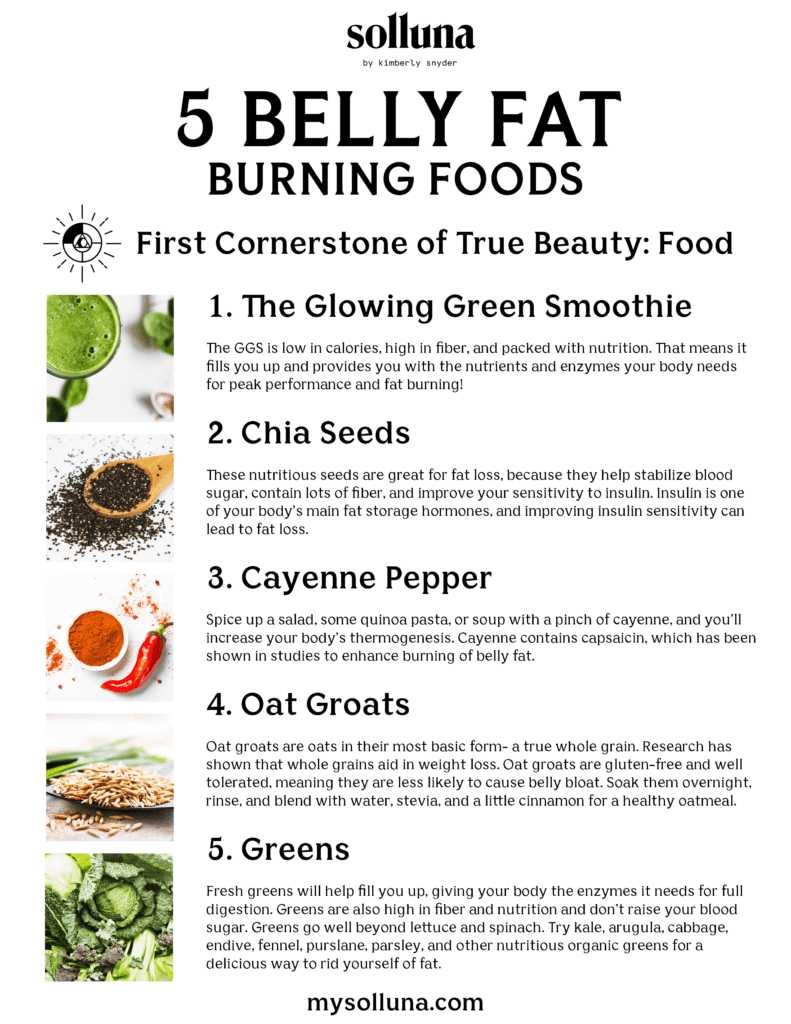
Eating the right meals can make all the difference in shedding belly fat and reducing bloating. Focus on incorporating foods rich in fiber, lean proteins, and healthy fats, while cutting back on processed foods, added sugars, and salt. These dietary choices help boost metabolism, promote digestion, and decrease water retention, making your belly look slimmer and less swollen.
In short, meals that emphasize fresh vegetables, fruits, whole grains, and lean proteins are your best allies for a flatter, less bloated belly. Staying hydrated with plenty of water and avoiding overly salty or greasy foods further enhances these benefits. Making mindful choices about what you eat can dramatically improve your digestive health and help you achieve a more toned appearance.
Jumping into the world of belly-friendly meals, it’s clear that what you put on your plate plays a crucial role in managing fat and bloating. Opting for nutrient-dense, minimally processed foods not only supports weight loss but also encourages better digestion, leaving you feeling lighter and more comfortable in your own skin.

What kind of meals help reduce belly fat and bloating
Understanding the connection between meals, belly fat, and bloating
Eating the right meals can significantly impact belly fat and bloating. Certain foods help boost metabolism, burn fat, and reduce water retention. Choosing meals rich in fiber, lean protein, and healthy fats is essential for a flatter stomach. Avoiding processed foods, excess sugar, and salty snacks helps prevent bloating and weight gain around the belly area.
Foods that help reduce belly fat
Reducing belly fat involves consuming foods that promote fat burning and boost metabolism. These include high-protein options that support muscle growth and increase calorie burn. Incorporating soluble fiber helps your body process fats more efficiently and keeps you full longer.
Lean proteins
Lean proteins like chicken, turkey, fish, and plant-based sources such as beans and lentils are excellent choices. They require more energy to digest, which means you burn more calories during digestion. Eating protein-rich meals also helps preserve muscle mass while losing fat.
Fruits and vegetables
Fruits like berries, apples, and oranges are rich in antioxidants and fiber. Vegetables such as spinach, broccoli, and zucchini are low in calories but high in nutrients. These foods support digestion and help prevent bloating.
Whole grains
Opt for whole grains such as oats, brown rice, and quinoa instead of refined grains. Whole grains are loaded with fiber that keeps your digestion smooth and assists in fat loss. They also stabilize blood sugar levels, reducing cravings and overeating.
Healthy fats
Incorporate healthy fats like avocados, nuts, seeds, and olive oil. These fats provide satiety and support hormonal health, which is vital for weight loss. They also help decrease inflammation associated with excess belly fat.
Meals to avoid for reducing belly fat and bloating
Some foods can cause bloating or add to belly fat. It’s wise to limit or avoid these to achieve your goals quicker.
Processed foods and sugars
Foods high in added sugars and artificial ingredients spike insulin levels and promote fat storage. They also cause water retention and bloating.
Salty foods
Excess salt intake leads to water retention, making your belly look bloated. Processed snacks, fast food, and canned soups are common culprits.
Carbonated drinks and alcohol
Sodas and alcoholic beverages introduce excess gas and can lead to bloating. They also contribute empty calories that support weight gain around the belly.
Meal planning tips for reducing belly fat and bloating
Creating a meal plan helps you stay consistent and make healthier choices. Focus on balanced portions and include a variety of nutrient-dense foods.
Portion control
Eating appropriate portion sizes prevents overeating and helps maintain a calorie deficit essential for fat loss. Use smaller plates or bowls to help control serving sizes.
Frequent, smaller meals
Consuming five to six small meals throughout the day keeps your metabolism active and reduces hunger. It also helps prevent overeating during main meals.
Hydration
Drink plenty of water daily to aid digestion and prevent water retention that causes bloating. Herbal teas like peppermint or ginger can also soothe the digestive system.
The role of meal timing in reducing belly fat and bloating
Meal timing influences digestion and metabolism. Eating at regular intervals helps regulate blood sugar and insulin levels, reducing fat storage and bloating.
Eat earlier in the day
Aim to have larger meals earlier and finish eating at least two hours before bedtime. This supports better digestion and reduces nighttime bloating.
Limit late-night snacking
Avoid eating late at night, as digestion slows down and increases bloating risk. Focus on wholesome, light meals in the evening.
Incorporating specific superfoods into meals
Superfoods offer concentrated nutrients that assist in weight loss and digestion.
Chia seeds and flaxseeds
Rich in fiber and omega-3s, these seeds promote satiety and improve gut health. Add them to smoothies, yogurt, or oatmeal.
Ginger and turmeric
Known for their anti-inflammatory properties, these spices can help reduce bloating and support digestion. Use fresh ginger in teas or cooking and turmeric in curries.
Yogurt and probiotics
Probiotic-rich foods promote healthy gut bacteria, improving digestion and reducing bloating. Choose plain yogurt without added sugar.
Sample meal ideas for reducing belly fat and bloating
Here are examples of meals aligned with reducing belly fat and bloating:
- Breakfast: Oatmeal topped with berries, chia seeds, and a drizzle of honey.
- Lunch: Grilled chicken salad with mixed greens, avocado, and olive oil vinaigrette.
- Snack: Apple slices with almond butter.
- Dinner: Baked salmon with roasted broccoli and quinoa.
- Evening snack: Plain Greek yogurt with a sprinkle of flaxseeds.
The importance of combining meals with physical activity
Eating healthy meals works best when combined with regular exercise. Activities like walking, yoga, or strength training help burn excess fat and improve digestion.
Exercise boosts metabolism
Physical activity increases calorie expenditure, facilitating faster fat loss around the belly. Consistent movement complements the effects of healthy meals.
Enhances digestion and reduces bloating
Exercise stimulates gut motility, helping to move food through your digestive system smoothly and preventing bloating.
Additional tips for maintaining a flat stomach
Apart from meal choices, other habits support belly fat reduction.
Manage stress levels
High stress triggers cortisol production, which can promote belly fat. Practice relaxation techniques such as meditation or deep breathing.
Adequate sleep
Aim for 7 to 9 hours of quality sleep each night. Sleep deprivation increases hunger hormones and promotes weight gain.
Limit processed food intake
Reducing reliance on highly processed foods supports overall health and keeps your stomach lean and bloating-free.
Monitor your progress
Track your meals and physical activity to stay motivated and identify areas for improvement. Small, consistent changes lead to lasting results.
Combining nutritious meals with healthy behaviors creates a sustainable approach to reducing belly fat and bloating. Focusing on whole foods, proper portion sizes, and regular activity helps you achieve a flatter stomach naturally.
Top 3 Intermittent Fasting Tips To Lose Belly Fat🔥 #bellyfat #fatloss #weightloss
Frequently Asked Questions
Which types of vegetables are effective in reducing bloating and supporting a flatter stomach?
Vegetables like cucumbers, spinach, and zucchini contain high water content and are rich in fiber, which help minimize water retention and improve digestion. Incorporating these into your meals can promote a feeling of fullness without adding excess calories, aiding in belly fat reduction and reducing bloating.
What lean protein sources can aid in decreasing belly fat and preventing bloating?
Opt for lean proteins such as chicken breast, turkey, tofu, and fish like salmon or cod. These options provide essential nutrients, support muscle building, and are easier to digest, which helps prevent bloating while promoting fat loss around the midsection.
Are there specific grains or carbohydrate choices that help manage bloating and belly fat?
Whole grains like oats, brown rice, and quinoa contain fiber and important nutrients that help regulate digestion and stabilize blood sugar levels. Choosing these over refined grains reduces bloating and supports overall fat reduction efforts.
How can incorporating healthy fats in meals assist with belly fat and bloating?
Including sources of healthy fats like avocados, nuts, seeds, and olive oil in your meals can improve satiety and reduce overall calorie intake. These fats also aid in proper nutrient absorption and can decrease inflammation, which contributes to lower bloating and belly fat.
What beverages or fluids support digestion and prevent bloating when consumed with meals?
Drinking plenty of water and herbal teas like ginger or peppermint tea can promote digestion and reduce water retention. Proper hydration helps prevent bloating and supports metabolism, making it easier to manage belly fat.
Final Thoughts
What kind of meals help reduce belly fat and bloating? Incorporate high-fiber foods like vegetables, fruits, and whole grains to promote digestion and satiety. Opt for lean proteins such as chicken, fish, or plant-based options to support muscle growth without excess fat. Reduce salt intake and avoid processed foods to minimize bloating. Drinking plenty of water and choosing herbal teas also aid digestion. In summary, eating balanced, nutrient-rich meals is key to reducing belly fat and bloating naturally.
As an Amazon Associate, We earn from qualifying purchases. When you purchase a product through Amazon links on pulsefitguide.com, we may earn a small commission at no extra cost to you. This helps support the site and keep our content free.
