


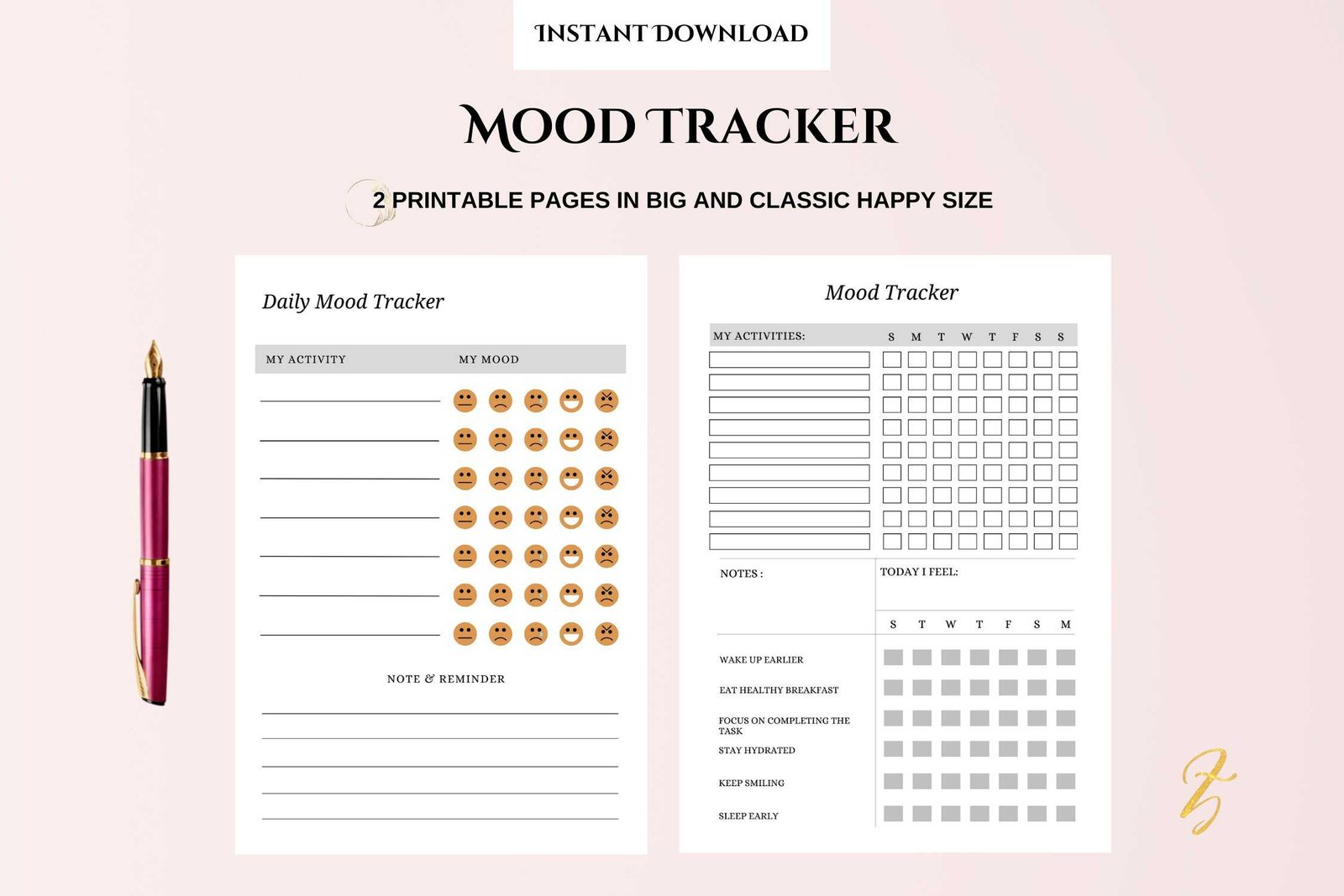
To stay on top of your goals and maintain focus, keeping a daily log of food, mood, and activity is a game-changer. It helps you spot patterns, understand how different habits influence your energy and mindset, and stay motivated on your journey. The key is consistency—finding simple, practical ways to record your day without feeling overwhelmed. By tracking regularly, you gain clarity on what’s working and what needs adjustment, making it easier to stay engaged and focused on your wellness goals. This simple habit can transform your awareness and boost your progress, giving you the tools to make healthier, more mindful choices every day.
A daily log of food, mood, and activity can be maintained through various methods such as journaling, using apps, or setting reminders. The main idea is to create a routine that fits your lifestyle, making it easy to record and review your entries consistently. Keeping things simple and focusing on honesty will help you stay committed and gain valuable insights into your habits.
Keeping a daily log of food, mood, and activity helps you monitor your habits and understand how they influence your mental and physical well-being. To do this successfully, develop a routine that is easy to follow—whether through a journal, smartphone app, or calendar—so recording becomes a natural part of your day. Be honest and consistent to gather accurate insights, which can guide you toward healthier choices and mental clarity.

How to keep a daily log of food, mood, and activity to stay focused
Keeping a daily log of what you eat, how you feel, and what you do can help you stay focused and achieve your goals. This simple habit provides clear insights into your daily habits and patterns. By understanding these patterns, you can make healthier choices and improve your overall well-being.
Why is daily logging important?
Daily logging helps you notice trends in your eating habits, mood swings, and activity levels. It makes you more mindful of how different factors affect your focus and energy. With consistent tracking, you can identify what works best for you and what hinders your progress.
Benefits of keeping a daily food, mood, and activity log
- Improves awareness of eating patterns and emotional states
- Helps identify triggers for low focus or mood swings
- Supports goal setting for healthy eating and lifestyle changes
- Encourages accountability and discipline
- Provides data to discuss with healthcare professionals
Choosing the right tools for your log
Selecting a method that fits your lifestyle ensures consistency. You can use traditional notebooks, digital apps, or spreadsheets. Consider your preferences when choosing, as ease of use encourages regular logging.
Paper notebooks and journals
These are simple and require no technology. Use a dedicated notebook to jot down entries throughout the day. Find a notebook that feels comfortable and inviting to encourage regular use.
Mobile apps and digital tools
Apps like MyFitnessPal, Daylio, or Moodfit offer guided tracking for food, mood, and activity. They often include reminders and analytics, making tracking easier and more engaging.
Spreadsheets and custom templates
Creating a personalized spreadsheet allows for flexible tracking. Use categories, colors, and formulas to visualize your data effectively.
How to start your daily logging routine
Begin with a simple plan to avoid feeling overwhelmed. Dedicate a specific time each day to record your entries, such as morning or evening.
Set clear goals for your log
Decide what you want to track exactly. Focus on key areas like meals, emotional states, and physical activities relevant to your focus and wellness goals.
Keep your entries concise and consistent
Write brief, clear notes to maintain the habit without stress. Consistency is more important than detailed entries in the beginning.
Use prompts to guide your entries
Prompt questions like “What did I eat today?” “How am I feeling right now?” and “What activities did I do?” keep you on track and ensure useful data collection.
What to include in your daily log
A comprehensive log covers several aspects of your day. Include details that will give you insights into your habits and mood.
Food log
Record everything you eat and drink, including portion sizes and meal times. Note any snacks or cravings to understand your eating patterns better.
Mood log
Describe your emotional state using simple words like happy, sad, anxious, or tired. Rate your mood on a scale if it helps you quantify feelings.
Activity log
List the exercises, chores, or physical movements you do each day. Include duration and intensity to see how activity impacts your focus and emotions.
How to analyze your logs for better focus
Regular review helps you spot patterns over time. Look for correlations between your food, mood, and activity levels and your ability to stay focused.
Identify triggers and patterns
Notice if certain foods or activities influence your mood and focus. For instance, high sugar intake might lead to energy crashes, while exercise may boost concentration.
Use visual tools to interpret data
Create charts or tables to visualize your data. Seeing trends can motivate you to make positive changes in your routine.
Set actionable goals based on your findings
If you notice that late-night screen time affects your sleep and focus, plan to limit device use before bed. Adjust your habits based on what your logs reveal.
Tips for maintaining your daily logging habit
Consistency is key to benefiting from your logs. Here are practical tips for sticking with your routine.
Start small and build gradually
Don’t aim for perfection from the beginning. Track just food or mood initially, then add more details as you go.
Make it enjoyable and easy
Use colorful pens, stickers, or fun apps to make logging enjoyable. Keep your journal accessible to encourage daily use.
Set reminders and cues
Use alarms or calendar notifications to prompt your entries. Linking logging to a daily activity, like brushing your teeth, helps form habits.
Review your logs regularly
Set weekly or bi-weekly reviews to assess your progress. Reflect on what has improved and what needs adjustment.
Addressing common challenges in daily logging
Stay aware of barriers that might hinder your progress and learn how to overcome them.
Time constraints
If you’re busy, keep entries brief or set aside specific moments for logging. Even a quick note is better than skipping altogether.
Lack of motivation
Remind yourself of the benefits and celebrate small successes. Sharing your progress with friends can also boost motivation.
Forgetfulness
Use app notifications or post-it notes as reminders. Keep your journal in visible places to prompt consistent logging.
Enhancing your focus with additional strategies
Combine logging with other habits for better focus and well-being.
Practice mindfulness and meditation
Spend a few minutes daily to clear your mind. Record how mindfulness affects your mood and concentration.
Maintain a balanced diet and exercise routine
Healthy habits support better focus and emotional stability. Log these activities to see their impact.
Prioritize sleep and hydration
Adequate sleep and water intake are crucial. Track them to ensure they support your daily focus.
Related topics to explore for further improvement
Expanding your knowledge in related areas can enhance your journey.
Stress management techniques
Learn about breathing exercises, journaling, or hobbies that reduce stress and improve focus.
Nutrition tips for better focus
Include foods rich in omega-3 fatty acids, antioxidants, and vitamins to support brain health.
Time management strategies
Use planners, timers, or prioritization methods to maximize your productivity and reduce distractions.
Keeping a detailed daily log of food, mood, and activity creates a clear picture of your habits and helps maintain focus. By choosing suitable tools, establishing simple routines, and regularly analyzing your logs, you empower yourself to make meaningful changes. Remember, consistency and patience are vital as you develop this habit, leading to better self-awareness and overall success in your goals.
daily habits for physical AND mental health, you all should try them!
Frequently Asked Questions
What are some effective ways to organize daily entries for food, mood, and activity?
To keep your daily logs organized, use a consistent format each day. Create sections or categories for food, mood, and activity. Using a notebook, a spreadsheet, or a dedicated app can help you record entries systematically. Write down specific details such as meal times, types of foods, how you feel emotionally, and the activities you engage in. Consistency in format makes it easier to review and analyze your patterns over time.
How can I stay motivated to log my daily activities regularly?
Set clear goals and remind yourself of the benefits of tracking your habits, such as improving mental clarity, managing moods, or maintaining a healthy lifestyle. Establish a routine by logging entries at the same time each day, like after meals or before bed. You can also include small rewards for maintaining your logging habit. Tracking progress visually, such as with charts or journals, encourages continued engagement.
What tools can assist in maintaining an accurate daily log without taking up too much time?
Utilize digital tools like mobile apps designed for journaling or habit tracking, which allow quick entry and easy updates. Templates or pre-designed forms can speed up the process. Alternatively, using a simple notebook or a structured spreadsheet provides flexibility and quick access. The key is choosing a method that fits your lifestyle so logging feels effortless rather than burdensome.
How can I reflect on my entries to make meaningful changes?
Review your logs regularly—weekly or monthly—to identify patterns and triggers related to your mood and activity levels. Look for correlations, such as certain foods that impact your emotions or specific activities that boost your energy. Use these insights to make informed adjustments in your daily routine, aiming for healthier habits and improved focus.
What should I do when I miss logging a day or two?
If you miss a day, avoid feeling discouraged. Simply resume your logging routine the next day, and consider adding a brief note explaining any gaps if it helps you see patterns. Consistency over time matters more than perfection. Developing a flexible approach allows you to maintain this habit without stress, keeping you focused on your overall progress.
Final Thoughts
Keeping a daily log of food, mood, and activity helps you stay focused on your goals. Record your meals, feelings, and exercises consistently to notice patterns and trends. Use simple tools like apps or notebooks to make tracking easy and routine. Reviewing your entries regularly keeps you motivated and aware of how your choices impact your well-being. How to keep a daily log of food, mood, and activity to stay focused ultimately supports better self-awareness and healthier habits. Stay committed, and you’ll see progress unfold naturally.
As an Amazon Associate, We earn from qualifying purchases. When you purchase a product through Amazon links on pulsefitguide.com, we may earn a small commission at no extra cost to you. This helps support the site and keep our content free.
