


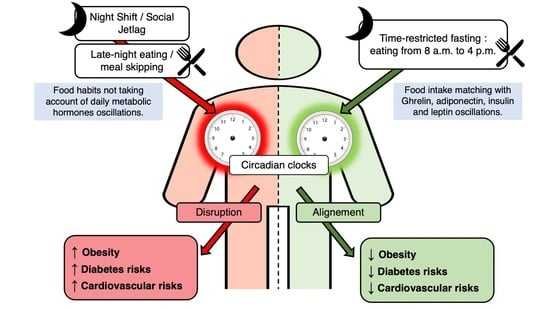
To avoid late-night eating and promote better digestion, set a regular eating schedule, keep healthy snacks handy, and stay busy during evening hours to curb cravings. Planning your meals and establishing a bedtime routine can help you resist the urge to snack late at night, leading to improved digestive health and better sleep quality.
Skipping late-night snacks can be challenging but is very rewarding for your digestion and overall health. The key is to create habits that delay or eliminate the desire to eat past dinner time, such as eating balanced meals during the day and keeping yourself occupied in the evening. Small changes in your routine can make a big difference in maintaining good digestion and feeling more energized during the day.

How to skip late night eating to support better digestion
Understanding why late night eating affects digestion
Many people find themselves snacking late at night, but this habit can interfere with how your body digests food. When you eat late, your digestive system works harder while you’re supposed to be resting. This can lead to issues like indigestion, acid reflux, and disturbed sleep. Knowing these effects encourages healthier habits that benefit your digestion and overall health.
The science behind digestion and sleep
Your body’s circadian rhythm influences digestion and sleep cycles. Eating late disrupts this rhythm, making digestion less efficient. As a result, food stays in your stomach longer, causing discomfort. Proper digestion depends on timing, so avoiding late night eating helps your body process food better and sleep more soundly.
Signs that late night eating might be harming you
If you notice frequent heartburn, stomach upset, or difficulty sleeping, late night eating could be a factor. You might also experience weight gain or sluggishness during the day. Recognizing these signs helps motivate you to change your eating habits for better digestion and health.
Strategies to avoid late night eating
Adopting certain habits can help you skip the late night snack. First, plan your meals so you’re full enough during the day. Second, establish a consistent dinner time. Third, use distraction techniques like reading or walking to avoid cravings. These small changes can make a big difference in your digestion.
Set a routine with regular meal times
Eating at consistent times helps your body develop a healthy rhythm. Aim to have dinner at least three hours before bedtime. This gives your stomach enough time to digest food and reduces the urge to snack late at night. Consistency reinforces your body’s natural schedule.
Eat balanced and satisfying meals during the day
Including protein, fiber, and healthy fats in your meals keeps you full longer. For example, add nuts, vegetables, and whole grains to your lunch and dinner. When your body gets the nutrition it needs, cravings for late night snacks decrease.
Stay hydrated throughout the day
Sometimes, feelings of hunger are actually signs of dehydration. Drinking plenty of water can reduce the urge to snack late at night. Aim for at least 8 glasses of water daily, and avoid drinks with caffeine or sugar close to bedtime.
Healthy alternatives to late night snacking
If you feel hungry before bed, opt for light, nutritious options. Good choices include a small bowl of yogurt, a piece of fruit, or a handful of nuts. These foods satisfy your hunger without overloading your digestive system.
How to prepare healthy late night snacks
When you do need a snack, prepare healthy options in advance. Keep cut vegetables, fruit, or whole-grain crackers handy. This way, you can make quick, wise choices and avoid unhealthy temptations.
Creating a calming bedtime routine to reduce cravings
Developing relaxing habits before bed can help distract from hunger. Activities like reading, meditation, or gentle stretching signal your body it’s time to wind down. A calm mind reduces stress-induced cravings, making it easier to skip late night eating.
Limit screen time before bed
Bright screens can interfere with sleep hormones, making you feel more alert and hungry. Try turning off electronic devices an hour before bedtime. Instead, focus on calming activities to prepare your body for rest.
Practice mindful eating
Pay attention to what and when you eat. Eating slowly and savoring your food helps you recognize true hunger. This awareness can prevent unnecessary late night snacking driven by boredom or emotion.
Address emotional triggers that lead to late night eating
Many people snack late at night due to stress, loneliness, or boredom. Find other ways to cope, such as journaling, listening to calming music, or calling a friend. These alternatives can address emotional needs without harming digestion.
Manage stress effectively
Stress triggers cortisol production, which can increase appetite. Practice deep breathing, yoga, or mindfulness to reduce stress levels. A calmer mind supports healthier eating habits and digestion.
Get enough sleep
Poor sleep increases hunger hormones, making you crave high-calorie foods. Aim for 7-9 hours of quality sleep each night. Good sleep hygiene supports better digestion and reduces the desire for late night snacks.
Tips for staying motivated and consistent
Changing eating habits takes time and effort. Keep a journal to track your progress and celebrate small victories. Surround yourself with supportive friends or family who encourage your goals.
Set realistic goals
Start with small changes, like reducing late night snacks twice a week. Gradually increase your success to establish a lasting habit. Patience and consistency are key to supporting better digestion over time.
Reward yourself without food
Celebrate your successes with non-food rewards—like a relaxing bath or new book. This positive reinforcement keeps you motivated during your journey to healthier digestion.
Incorporating physical activity to reduce late night hunger
Regular exercise helps regulate appetite hormones and improves sleep. Engage in activities like walking, swimming, or yoga during the day. Better physical health supports your goal to skip late night eating.
Best times to exercise for digestion benefits
Workout earlier in the day to avoid stimulating your appetite late at night. Morning or early afternoon sessions are ideal. Consistent activity promotes better digestion and reduces late night cravings.
Monitoring your progress and adjusting strategies
Keep track of how your body responds to these changes. If you experience persistent hunger or discomfort, modify your meal plan or routines accordingly. Flexibility helps you find what works best for your digestion.
Use a food diary or app
Recording what and when you eat clarifies patterns and triggers. Review your entries weekly to identify areas for improvement. This awareness guides you toward healthier habits.
Seek professional support if needed
If digestive issues persist, consult a healthcare professional. A nutritionist or doctor can provide personalized advice and help ensure your efforts support your well-being.
Following these strategies consistently will help you effectively skip late night eating and promote better digestion. Over time, you’ll notice improved sleep, less discomfort, and overall enhanced health, creating a positive cycle of good habits that support your body’s needs.
Eating Too Late? These Tricks Get You Through Your Night without Food
Frequently Asked Questions
What strategies can I use to resist the urge to eat late at night?
To avoid late-night eating, establish a consistent meal schedule that provides sufficient nutrients throughout the day. Engage in relaxing activities in the evening to distract yourself from cravings. Drinking water or herbal teas can also help curb the desire to snack late at night. Planning your dinners with balanced portions helps you feel full longer, reducing the temptation to eat before bed.
How can adjusting my dinner time influence my late-night snacking habits?
Eating dinner earlier allows your digestion to settle before bedtime, reducing feelings of hunger during the night. Incorporate a hearty, balanced evening meal with proteins, healthy fats, and fiber to keep you satiated longer. This adjustment minimizes late-night cravings and supports better digestion by giving your body ample time to process food before sleeping.
What role do evening routines play in preventing late-night eating?
Establishing relaxing evening routines, such as reading or meditation, helps shift focus away from food and reduces stress-induced cravings. Avoiding screens and heavy discussions close to bedtime can also diminish the urge to snack. Creating a calm environment encourages your body to wind down, making late-night eating less appealing.
How might improving overall meal quality impact my nighttime eating habits?
Consuming nutrient-rich, satisfying meals during the day helps stabilize blood sugar levels and prevents late-night hunger spikes. Including fiber, proteins, and healthy fats in your meals promotes feelings of fullness and reduces the desire to eat late. Better meal quality supports digestion and decreases the likelihood of waking up in the middle of the night seeking food.
Are there specific foods I should avoid to reduce late-night cravings?
Limit intake of sugary snacks, refined carbs, and caffeinated beverages in the evening, as they can cause blood sugar fluctuations and disrupt sleep. Spicy or greasy foods may also irritate your digestive system, leading to discomfort and increased nighttime hunger. Choosing light, wholesome snacks or skipping late-night eating altogether helps your digestion stay efficient.
Final Thoughts
How to skip late night eating to support better digestion involves establishing a consistent eating schedule and choosing lighter, earlier dinners. Stay hydrated throughout the evening and avoid screens, which can trigger late-night snacking. When cravings hit, opt for herbal tea or a small, healthy snack. By following these tips, you can reduce unnecessary late-night eating, promoting improved digestion and overall well-being.
As an Amazon Associate, We earn from qualifying purchases. When you purchase a product through Amazon links on pulsefitguide.com, we may earn a small commission at no extra cost to you. This helps support the site and keep our content free.
