


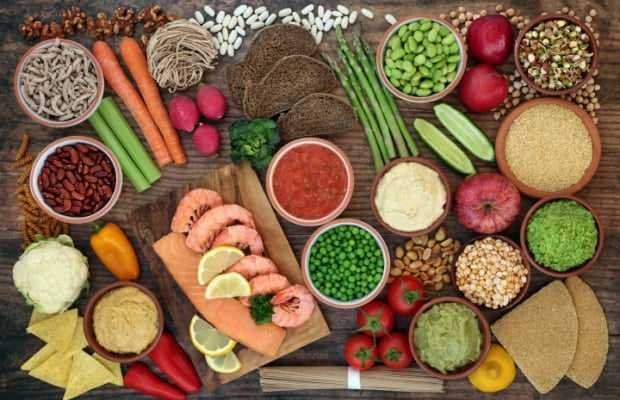
To cut down on processed snacks and embrace whole foods, start by planning your meals ahead of time and keeping healthy options like fruits, nuts, and fresh vegetables on hand. Avoid shopping when hungry, which can lead to impulsive junk food buys, and read labels carefully to recognize hidden sugars and preservatives. Gradually replacing processed snacks with nutritious alternatives will make the transition smoother and more sustainable.
In short, focus on meal planning, shop mindfully, and swap out processed treats for genuine, nutrient-dense foods. Small changes over time can dramatically improve your eating habits and overall health.
Getting started on healthier eating doesn’t have to be overwhelming. Many of us rely on processed snacks for convenience, but these foods often lack essential nutrients and contain additives harmful in the long run. Transitioning to whole foods is a powerful way to boost your energy, support your immune system, and develop better eating habits that last a lifetime. Making smarter choices begins with understanding your cravings, being prepared, and gradually replacing processed items with fresh, natural options.

How to limit processed snacks and stick to whole foods
Understanding the Difference Between Processed Snacks and Whole Foods
Processed snacks are foods that have been altered from their natural state through methods like refining, adding preservatives, or flavoring. Common examples include chips, cookies, candies, and many instant foods. Whole foods, on the other hand, are foods in their natural form with minimal or no processing. Fruits, vegetables, nuts, seeds, whole grains, and lean proteins fall into this category. Recognizing these differences helps you make smarter choices about what to include in your diet.
Processed snacks often contain high levels of added sugar, unhealthy fats, and artificial ingredients. Whole foods provide essential nutrients like fiber, vitamins, and minerals that support overall health. Limiting processed snacks and prioritizing whole foods can boost energy levels, improve digestion, and promote better weight management over time.
The Impact of Processed Snacks on Health
Regular consumption of processed snacks can lead to health issues such as weight gain, increased risk of heart disease, and insulin resistance. Many processed foods are high in empty calories, meaning they offer little nutritional benefit. They can also cause spikes and crashes in blood sugar levels, leading to fatigue and mood swings.
Eating too many processed snacks may contribute to the development of chronic conditions like type 2 diabetes and high blood pressure. Additionally, artificial preservatives and flavorings can negatively affect your digestion and overall immune health. Reducing intake can help prevent these health problems and support a more balanced diet.
Steps to Reduce Processed Snacks in Your Diet
Finding ways to cut back on processed snacks starts with awareness. Begin by reading food labels carefully to identify hidden sugars, artificial ingredients, and preservatives. Set small goals, like replacing one processed snack daily with whole food options.
Another helpful tip is to plan your snacks ahead of time to avoid impulsive choices. Preparing snack packs of nuts, fresh fruit, or vegetables can be convenient and satisfying. Over time, reducing processed snacks becomes easier as your taste buds adjust to natural flavors.
Choosing Whole Foods Over Processed Options
When shopping, prioritize the perimeter of the store where fresh produce, meats, and dairy are typically located. Avoid aisles filled with packaged snack foods and processed cereals.
Create a shopping list centered around fruits, vegetables, whole grains, lean proteins, and healthy fats. This approach helps prevent impulse buys and keeps your pantry stocked with nutritious options. When selecting products, look for items with minimal ingredients listed and avoid those with additives, artificial sweeteners, or preservatives.
Strategies for Incorporating More Whole Foods into Your Diet
Start by adding more fruits and vegetables to each meal. Fresh salads, smoothies, and roasted vegetables are simple ways to include more produce. Experiment with cooking your own meals instead of relying on processed convenience foods.
Meal prepping on weekends ensures you have ready-to-eat wholesome options during busy weekdays. Incorporate a variety of whole grains like brown rice, quinoa, and oats to diversify your diet. Be creative and try new recipes that focus on natural ingredients.
Tips for Snacking Healthy and Whole
Choose snacks rich in fiber and protein to keep you full longer. Examples include nuts, seeds, Greek yogurt, fresh fruit, or veggie sticks with hummus. Avoid processed snack foods like chips and cookies, which are high in sugars and unhealthy fats.
Prepare healthy snacks in advance to avoid reaching for quick, processed options. Use resealable containers to carry fruit slices, trail mix, or boiled eggs. Staying hydrated also helps curb unnecessary snack cravings; opt for water, herbal teas, or homemade infused water.
Meal Planning and Preparation to Minimize Processed Foods
Planning meals ahead ensures you have wholesome ingredients ready to use. Consider creating weekly menus that focus on whole foods, balancing proteins, carbs, and healthy fats.
Batch cook staples like roasted vegetables, grilled chicken, or whole grain pasta. Store these in portioned containers for quick assembly of nutritious meals. This prevents last-minute reliance on processed foods due to time constraints.
Smart Shopping Tips for Whole Foods
Shop mostly from farmers’ markets or local grocery stores that offer fresh produce. When shopping for packaged items, look for labels with recognizable ingredients and avoid those with long chemical lists.
Buy in bulk to save money on whole grains, nuts, and seeds. Always check expiration dates and choose seasonal produce for better flavor and lower cost. Trust your senses—fresh, whole foods should look, smell, and taste natural.
Dealing with Cravings for Processed Snacks
Cravings are normal, especially when transitioning to a healthier diet. Instead of giving in immediately, try to find healthier alternatives that satisfy similar textures or flavors. For example, swap potato chips with roasted chickpeas or kale chips.
Stay hydrated and include enough protein and fiber in your meals to reduce hunger and cravings. Sometimes, emotional triggers prompt snacking; address these by practicing mindful eating or engaging in other activities.
Building a Supportive Environment
Surround yourself with friends and family who support your goal of eating healthier. Share your plans and ask for their cooperation in reducing processed snack consumption.
Modify your kitchen by removing tempting processed foods and stocking up on whole, nutritious options. This simple change makes it easier to choose wholesome foods and stick to your goals.
Embracing a Whole Foods Lifestyle
Transitioning to a diet centered on whole foods takes time, so be patient with yourself. Focus on progress rather than perfection, and celebrate small victories along the way.
Remember, every healthy choice you make helps improve your overall well-being. Incorporate new habits gradually, and enjoy discovering delicious foods in their natural state. Your body will thank you for choosing whole foods over processed snacks consistently.
**By understanding the differences, recognizing the impacts, and implementing practical strategies, you can successfully limit processed snacks and enjoy a diet rich in wholesome, nourishing foods.**
Unprocessed — how I gave up processed foods (and why it matters) | Megan Kimble | TEDxTucsonSalon
Frequently Asked Questions
What strategies can I use to reduce my intake of processed snacks?
Focus on planning your meals ahead of time and preparing snacks from whole ingredients. Keep fresh fruits, nuts, and vegetables readily available to curb cravings for processed options. Being mindful of portion sizes and avoiding shopping when you’re hungry can also help prevent impulsive purchases of processed snacks.
How can I incorporate more whole foods into my daily diet?
Start by replacing processed items with whole foods during your grocery shopping. Choose fresh produce, whole grains, lean proteins, and natural dairy products. Incorporate these into your meals consistently and experiment with simple recipes that highlight natural flavors, making whole foods more appealing and easier to include regularly.
What are some effective ways to resist cravings for processed snacks?
Stay hydrated and eat balanced meals with adequate protein and fiber, which help curb hunger. When cravings strike, opt for healthy alternatives like fresh fruit or homemade trail mixes. Developing awareness of your hunger cues and finding satisfying, nutritious snacks can reduce dependence on processed options.
How can meal prepping support my goal to stick to whole foods and avoid processed snacks?
Meal prepping allows you to prepare nutritious, whole-food-based meals and snacks in advance, removing the temptation of grabbing processed items on busy days. By having healthy options ready, you can make better choices, save time, and stay committed to your dietary goals throughout the week.
What role does reading labels play in limiting processed foods?
Reading labels helps you identify added sugars, preservatives, and artificial ingredients common in processed snacks. By choosing products with minimal, recognizable ingredients, you make more informed decisions that align with your goal of eating more whole, unprocessed foods. This awareness encourages healthier purchasing habits and reduces intake of unnecessary additives.
Final Thoughts
Limiting processed snacks and sticking to whole foods helps improve overall health and well-being. Focus on grocery shopping around the perimeter of the store, where fresh produce, meats, and dairy are usually located. Prepare snacks at home, such as fruit, nuts, or homemade granola bars, to avoid unnecessary additives. Choosing whole foods over processed options ensures a more nutritious diet and supports long-term health goals.
As an Amazon Associate, We earn from qualifying purchases. When you purchase a product through Amazon links on pulsefitguide.com, we may earn a small commission at no extra cost to you. This helps support the site and keep our content free.
