


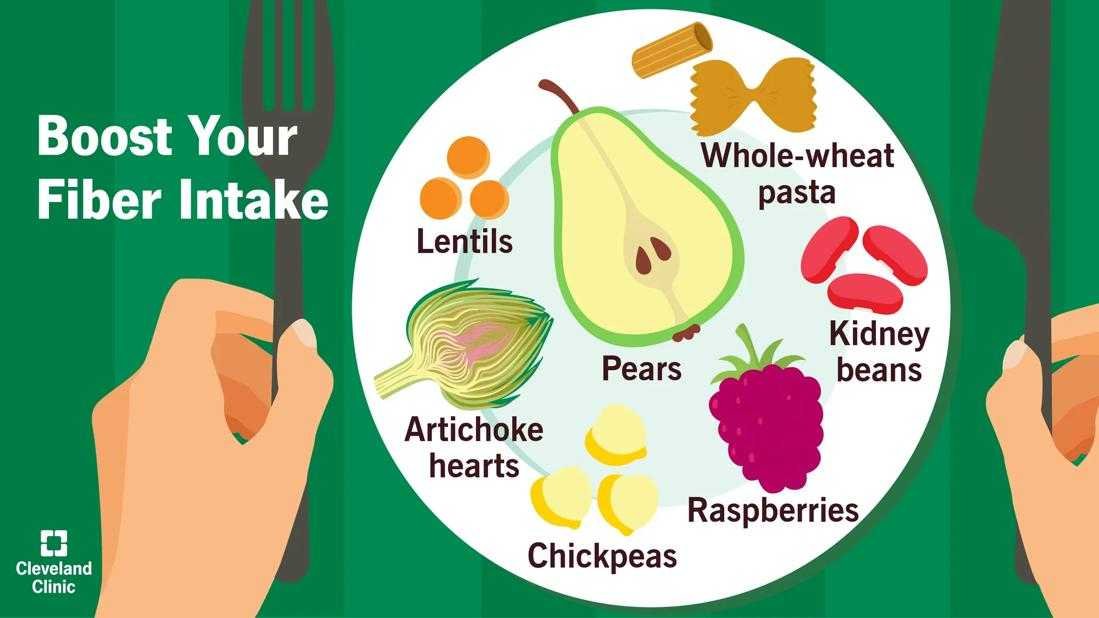
To stay fuller longer, focus on incorporating more high-protein and high-fiber foods into your meals. Eating these nutrients not only satiety but also helps curb cravings and supports overall health. Small tweaks like adding beans to your salads, choosing whole grains over refined carbs, or snacking on nuts can make a big difference.
Consuming more protein and fiber is simple—opt for lean meats, beans, lentils, whole grains, fruits, and vegetables. These foods are rich in nutrients and promote a feeling of fullness, preventing overeating throughout the day.
Eating more protein and fiber can be achieved by making smarter food choices, such as including beans and nuts in your diet, choosing whole grains, and adding more fruits and vegetables to your meals. These strategies help you feel full longer, manage weight better, and improve overall health.
Starting your day with a breakfast rich in oats, eggs, or yogurt can set the tone for longer satiety. Incorporate a variety of fiber-rich foods like vegetables, fruits, and whole grains into every meal, and snack on nuts or seeds to boost your protein intake. With these simple steps, you’ll enjoy sustained fullness, reduced snacking, and improved energy levels throughout the day.

How to eat more protein and fiber to feel full longer
Eating enough protein and fiber helps you stay full and prevents overeating. These nutrients are essential for maintaining energy levels and supporting overall health. Incorporating more protein and fiber into your meals can make a big difference in how satisfied you feel throughout the day.
Understanding the benefits of protein and fiber
Protein is a vital nutrient that helps build and repair tissues. It also keeps your metabolism active and can reduce hunger cravings. Fiber, found in plant foods, aids digestion and adds bulk to your meals, making you feel full longer.
Both nutrients work together to control your appetite and stabilize blood sugar levels. This combination can prevent sudden hunger pangs and help you avoid snacking on unhealthy foods.
How protein keeps you full for longer
Protein slows down digestion, which means it stays in your stomach longer. This makes you feel full for an extended period after eating. High-protein foods also trigger the release of hormones that signal fullness to your brain.
Having enough protein in your diet can reduce your calorie intake and support weight management. It also helps preserve muscle mass, especially when you’re trying to lose weight or stay active.
Best sources of protein
- Lean meats such as chicken, turkey, and lean cuts of beef or pork
- Seafood including fish, shrimp, and crab
- Eggs and dairy products like yogurt and cheese
- Legumes such as lentils, chickpeas, and beans
- Plant-based options including tofu, tempeh, and seitan
- Nuts and seeds in moderation
Tips for increasing your protein intake
- Add a scoop of protein powder to smoothies or oatmeal.
- Choose Greek yogurt over regular yogurt for more protein.
- Include eggs in breakfast or salads for a protein boost.
- Snack on nuts or seeds, but watch portion sizes.
- Replace refined grains with whole grains like quinoa or brown rice, which contain more protein.
Understanding the role of fiber in fullness
Fiber adds bulk to your meals without adding extra calories. It slows digestion, which helps maintain a steady level of blood sugar and prevents sudden hunger. Soluble fiber dissolves in water and forms a gel-like substance in your gut, enhancing satiety.
Insoluble fiber adds bulk to your stool, supporting regular digestion and preventing constipation. Eating enough fiber can also lower cholesterol levels and support heart health.
Sources of dietary fiber
- Whole grains such as oats, barley, and whole wheat bread
- Fruits including apples, berries, and oranges
- Vegetables like carrots, broccoli, and sweet potatoes
- Legumes such as lentils, beans, and chickpeas
- Nuts and seeds, especially chia seeds, flaxseeds, and almonds
How to increase fiber intake
- Start your day with oatmeal topped with berries and nuts.
- Include a side of vegetables with every meal.
- Choose whole-grain bread, pasta, and rice instead of refined varieties.
- Add beans or lentils to soups, salads, and stews.
- Snack on fruits, nuts, and seeds throughout the day.
Combining high-protein and high-fiber foods for maximum satiety
Pairing foods rich in protein with those high in fiber creates a powerful effect on fullness. For example, adding beans to a salad or yogurt with chia seeds can keep you satisfied longer.
This combination helps stabilize blood sugar, reduces cravings, and supports sustained energy levels. Planning meals with both nutrients ensures you stay full without overeating.
Meal ideas to boost protein and fiber
| Meal | Foods to Include |
|---|---|
| Breakfast | Oatmeal topped with berries and chia seeds or Greek yogurt with nuts and fruit |
| Lunch | Grilled chicken or tofu salad with mixed vegetables and whole grain bread |
| Snack | Hummus with carrot sticks or a handful of almonds and an apple |
| Dinner | Baked salmon with quinoa and roasted broccoli or lentil soup with whole wheat bread |
Practical tips for integrating more protein and fiber into your daily routine
- Plan your meals ahead of time to include high-protein and high-fiber options.
- Read food labels carefully to choose products with higher fiber content and lean protein sources.
- Add vegetables and legumes to your favorite dishes.
- Make smoothies that combine fruits, leafy greens, Greek yogurt, and seeds.
- Experiment with new recipes that incorporate both nutrients, like bean chili or veggie-stuffed omelets.
Common pitfalls and how to avoid them
Many people forget to balance their meals or rely heavily on processed high-protein foods that are low in fiber. This can lead to less satisfaction and potential cravings later.
To prevent this, aim for meals that include whole, minimally processed foods rich in both protein and fiber. Also, increase fluid intake to help fiber do its job effectively.
Listening to your body and adjusting intake
Everyone’s needs are different, so pay attention to how full you feel after eating different foods. Adjust your portions and food choices based on your hunger cues and activity level.
Gradually increase your protein and fiber intake to avoid digestive discomfort. Consistency is key to making these changes sustainable and effective.
Adding more protein and fiber to your diet is a simple yet powerful way to extend feelings of fullness. This can lead to healthier eating habits, weight management, and overall well-being. Focus on choosing nutrient-dense foods and planning meals that combine these two key nutrients to make every bite count.
Easy Ways to Increase Your Protein Intake | Nutritionist Explains… | Myprotein
Frequently Asked Questions
What are some high-protein snacks I can include in my daily diet?
Opt for snacks like Greek yogurt, hard-boiled eggs, nuts, or edamame. These options are rich in protein and help keep you feeling full longer between meals. Incorporating them into your day can support your goal of increasing protein intake effortlessly.
How can I incorporate more fiber into my breakfast?
Add fiber-rich ingredients such as oats, chia seeds, ground flaxseed, or berries to your breakfast. These foods boost your fiber intake early in the day and contribute to a feeling of fullness, reducing the likelihood of overeating later.
What are some meal ideas that combine both high protein and fiber?
Create meals like a lentil salad with vegetables or a turkey and vegetable stir-fry served over brown rice. Using legumes, whole grains, and lean meats ensures you get plenty of both nutrients, helping you stay satisfied longer after meals.
Are there specific foods I should focus on to naturally increase my fiber and protein intake?
Include foods such as beans, chickpeas, quinoa, cottage cheese, and lean meats in your diet. These foods provide a good balance of protein and fiber, making it easier to meet your nutritional goals while feeling full for a longer period.
How does drinking more water support my efforts to eat more fiber and protein?
Staying well-hydrated helps fiber do its job in your digestive system, preventing constipation and promoting a sense of fullness. Drinking adequate water also supports overall digestion and can help you maintain energy levels throughout the day.
Final Thoughts
How to eat more protein and fiber to feel full longer is simple with strategic choices. Incorporate lean meats, eggs, and dairy into your meals to boost protein intake. Add plenty of vegetables, legumes, and whole grains for fiber. Combining these foods helps control appetite and sustain energy.
Focus on balanced meals that include both protein and fiber sources. Snack on nuts, seeds, or Greek yogurt to stay full between meals. Making small adjustments can improve satiety and support your health goals effectively.
As an Amazon Associate, We earn from qualifying purchases. When you purchase a product through Amazon links on pulsefitguide.com, we may earn a small commission at no extra cost to you. This helps support the site and keep our content free.
