


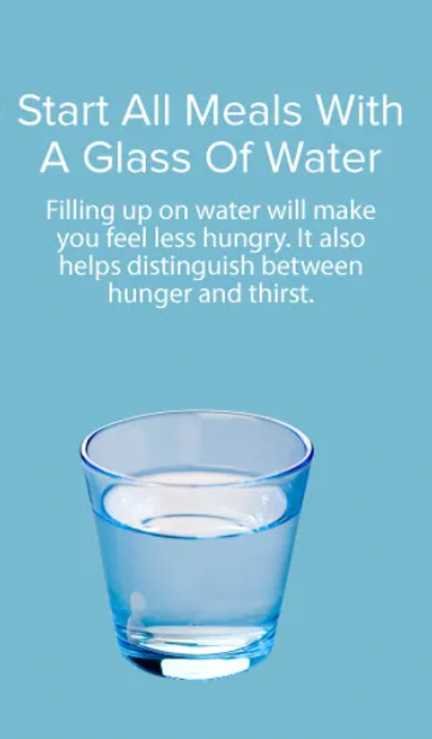
Start each meal by drinking a glass of water—it’s a simple yet effective way to curb hunger and prevent overeating. Just a few sips before eating can make a noticeable difference in how much you consume and support your weight management goals. The key is to make this a habit, pairing it with mindful eating for better results.
Drinking a glass of water before each meal helps fill your stomach slightly, reducing the urge to eat large portions. Consistently incorporating this routine can help control appetite naturally and promote healthier eating habits without the need for restrictive diets.
If you’re looking to manage hunger easily, try drinking a glass of water about 15-20 minutes before your mealtime. This simple trick not only curbs excess hunger but also keeps you hydrated and improves digestion, making your meals more satisfying and balanced.

How to drink a glass of water before each meal to control hunger
Understanding Why Water Helps Control Hunger
Drinking water before meals can make a big difference in how much food you eat. Water fills your stomach, creating a feeling of fullness. This feeling helps you eat less during your meal. It’s a simple way to manage your appetite without extra calories.
When you drink water, it also helps your body stay hydrated. Proper hydration improves digestion and boosts your metabolism. These factors together support your weight control goals. Remember, water is a natural and free tool to help curb hunger.
How Much Water Should You Drink Before Meals?
Most experts recommend drinking around 200 to 300 milliliters of water before each meal. This is roughly one to one and a quarter cups. Drinking this amount helps you feel full without making you uncomfortable.
For best results, try to drink about 15 to 30 minutes before eating. This gives your stomach enough time to send signals of fullness to your brain. It’s important to avoid drinking too much water, as too much can cause discomfort or bloating.
When is the Best Time to Drink Water Before Meals?
Timing matters when drinking water to control hunger effectively. The ideal time is about 15 to 30 minutes before you start eating. This window allows your body to register the feeling of fullness.
If you forget to drink water before a meal, you can sip some during the early stages of eating. Avoid drinking large amounts during the meal, as it might dilute stomach acids needed for digestion. Consistency in timing helps your body adapt to this new routine.
Tips for Incorporating Water Drinking into Your Routine
Establish a simple routine to remember to drink water before meals. Here are some helpful tips:
- Set an alarm or reminder on your phone
- Keep a glass of water nearby during the day
- Use a marked water bottle to track your intake
- Make drinking water part of your mealtime ritual
- Pair water drinking with other healthy habits, like saying a prayer or taking a deep breath before eating
Consistency helps your body get used to the routine, making it easier to control your hunger naturally over time.
The Role of Water in Digestion and Satiety
Water is essential for proper digestion. It helps break down food and absorb nutrients more efficiently. Drinking water before meals can soften the food in your stomach, making digestion easier.
Additionally, water can help control the production of hunger hormones. When your stomach detects water, it signals your brain that you are full. This process reduces the urge to eat more than necessary.
Combining Water Intake with Other Healthy Eating Habits
Drinking water before meals works best when combined with balanced eating habits. Here are some suggestions:
- Eat plenty of vegetables and fiber-rich foods that promote fullness
- Choose lean proteins to satisfy hunger longer
- Limit high-sugar snacks and processed foods
- Eat smaller, more frequent meals to keep appetite in check
- Practice mindful eating by focusing on your food and eating slowly
These habits support your goal of controlling hunger and maintaining a healthy weight. Drinking water acts as an easy addition to these strategies.
Potential Challenges and How to Overcome Them
Some people may find it difficult to remember to drink water before every meal. A common challenge is feeling bloated or uncomfortable. To avoid this, start with small amounts and gradually increase your intake.
If you dislike the taste of plain water, try adding a slice of lemon or cucumber. Using a reusable water bottle with time markers can motivate you to drink enough water throughout the day. Stay patient and consistent—your body needs time to adapt.
Understanding the Impact on Weight Loss and Overall Health
Regularly drinking water before meals can contribute to weight loss by reducing calorie intake. It also supports metabolic health and improves digestion. Staying well-hydrated may boost energy levels and help you feel more alert.
Moreover, water consumption helps prevent overeating caused by misinterpreted thirst signals. It’s a natural, healthy way to support your body’s needs while managing your weight.
Additional Related Topics
Besides drinking water before meals, consider these related tips:
- Understanding portion control for better weight management
- The benefits of drinking warm water in the morning
- Ways to stay hydrated throughout the day
- How to replace sugary drinks with healthier options
- The importance of hydration for mental clarity and mood
Exploring these topics can enhance your understanding and help you develop a comprehensive approach to health.
Summary of Best Practices for Drinking Water Before Meals
To maximize the benefits:
- Drink approximately 200 to 300 milliliters of water
- Consume water about 15 to 30 minutes before eating
- Use reminders to stay consistent
- Pair water drinking with healthy eating habits
- Adjust your routine based on your body’s responses
Remember, making water a regular part of your mealtime routine can make a significant difference in managing hunger naturally. Small changes today can lead to healthier habits and better health tomorrow.
Take My Water Challenge to Weight Loss! Dr. Mandell
Frequently Asked Questions
What is the best time to drink water before meals to help control hunger?
Drink a glass of water about 15 to 30 minutes before your meal. This timing allows your stomach to feel fuller without delaying your digestion, helping you eat less during your meal and manage your appetite effectively.
How can I ensure I drink enough water before each meal daily?
Set a routine by having a glass of water ready in your kitchen or dining area. Use reminders or alarms to prompt you to drink water prior to every meal, making it a consistent habit that supports hunger regulation.
Are there specific types of water that work better for this purpose?
Plain filtered water is most effective, as it contains no calories or additives. Drinking room temperature or slightly cold water can also be more refreshing, encouraging you to drink enough without feeling uncomfortable.
What should I do if I find myself still hungry after drinking water before meals?
If you still feel hungry, consider waiting a few minutes after drinking water before eating. You might also drink another small glass of water or include fiber-rich vegetables on your plate, which help increase satiety and reduce overeating.
Final Thoughts
How to drink a glass of water before each meal to control hunger can be simple and effective. Fill a glass with water and drink it slowly about 15-30 minutes before eating. This habit helps you feel full faster, reducing your overall calorie intake.
Stay consistent with this routine daily for best results. It’s an easy way to support your appetite management and improve hydration. Incorporate this practice into your mealtime to make healthier choices naturally.
In conclusion, how to drink a glass of water before each meal to control hunger offers a practical approach to portion control and mindful eating.
As an Amazon Associate, We earn from qualifying purchases. When you purchase a product through Amazon links on pulsefitguide.com, we may earn a small commission at no extra cost to you. This helps support the site and keep our content free.
