


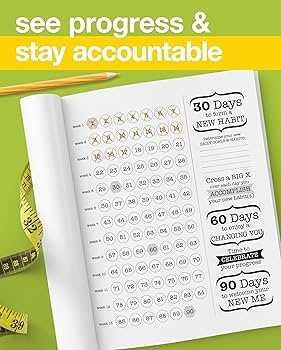
Start by tracking everything you eat and do each day — it’s the simplest way to stay accountable and see real progress. By logging your meals and activities consistently, you’ll develop awareness of your habits and spot areas for improvement, making your health journey more manageable and less overwhelming. A well-maintained journal not only keeps you motivated but helps you identify patterns and stay committed to your goals.
Journaling your meals and activities involves recording what you eat, drink, exercise, and how you feel throughout the day. Make it easy by using a dedicated notebook, app, or printable templates, and set a routine to update your logs daily. This continuous practice keeps you honest with yourself and empowers you to make smarter choices. Remember, consistency is key to building accountability and achieving lasting results.

How to journal your meals and activities to stay accountable
Keeping a journal of your meals and activities is a simple yet powerful way to stay responsible for your health and wellness goals. When you write down what you eat and do every day, it helps you see patterns and make better choices. This approach makes it easier to stick with your routines and stay motivated over time.
Why journaling can improve your health and motivation
Journaling helps you become more aware of your habits. By seeing what you eat and do, you notice areas where you can improve. It also encourages accountability because you are consciously tracking your actions. This process boosts your motivation to stay consistent and reach your goals.
Choosing the right tools for your journaling journey
Before you start, pick a method that suits your style. Some people prefer paper notebooks, while others like apps or online platforms. Consider your daily routine and what feels easiest for you. The key is to select a tool that encourages you to regularly record your meals and activities.
Paper journals and planners
Using a physical notebook can be very personal and flexible. You can customize pages, add drawings, or use different colors. A paper journal is portable and doesn’t require batteries or internet access.
Digital apps and software
Apps like MyFitnessPal, Lose It!, or Cronometer offer easy tracking features. They come with databases of foods and exercises, making logging quick and simple. Many apps also generate helpful reports and insights to keep you on track.
Hybrid methods
Some people combine paper and digital tools for maximum flexibility. For example, using a notebook for daily reflections and an app for detailed calorie counts. Find what works best for your lifestyle and preferences.
How to structure your meal journal
Creating a consistent format makes journaling easier and more effective. Start each entry with the date and time, so you can analyze your habits over days or weeks. Record your meals with specifics and include any snacks or beverages.
What details to include in each meal
- Food type: Write down everything you eat, including ingredients or brands if relevant.
- Portion sizes: Estimate the amount, such as cups, slices, or grams.
- Time of day: Note when you ate, to observe patterns like late-night snacking or morning routines.
- Emotional state: Record how you felt before and after eating, to identify emotional triggers.
Tracking your physical activities effectively
Recording your activities helps you see how movement impacts your health. Be detailed about the type, duration, and intensity of each exercise.
What to note for physical activities
- Type of activity: Walking, running, cycling, yoga, etc.
- Duration: How long you performed the activity, in minutes or hours.
- Intensity level: Light, moderate, or vigorous effort.
- Feelings and performance: How you felt during the activity and any improvements noticed.
Using prompts to enhance your journaling experience
Prompts can help you reflect more deeply on your habits. They encourage honest insights and motivate consistent recording. For example, ask yourself each day:
- What healthy choice did I make today?
- What challenges did I face in sticking to my plan?
- How do I feel after eating or exercising today?
Incorporating self-reflection questions
Self-reflection deepens your understanding of your habits. Regularly asking yourself questions like these helps identify patterns and triggers. It makes your journaling more meaningful and actionable.
The importance of consistency in journaling
Consistency is key to making journaling effective. Set a specific time each day to record your meals and activities. Whether in the morning or evening, regular entries help build a routine and provide clear data.
Tips for maintaining consistency
- Start small—commit to recording for five minutes a day.
- Create reminders or alarms to prompt recording times.
- Keep your journal accessible, so you’re more likely to use it.
- Celebrate your progress to stay motivated.
How to analyze your journal data for progress
Reviewing your entries periodically reveals valuable insights. Look for trends like high-calorie days or inactive periods. Use this information to adjust your habits and set new goals.
Tips for effective review sessions
- Set aside a specific time each week for review.
- Summarize your data in charts or tables for clarity.
- Identify positive patterns and areas needing improvement.
- Celebrate your successes and plan for any adjustments.
Integrating journaling with goal setting
Use your journal to set clear, achievable goals. Break big objectives into smaller steps and track progress regularly. Seeing your accomplishments on paper keeps you motivated and focused.
Setting SMART goals in your journal
- Specific: Define precisely what you want to achieve.
- Measurable: Establish criteria to track progress.
- Achievable: Set realistic targets based on your habits.
- Relevant: Align goals with your overall health aspirations.
- Time-bound: Set deadlines to maintain momentum.
Tips for staying motivated and accountable
Joining a support group or sharing your journal with a friend can boost accountability. Celebrating small wins keeps you encouraged. Remember that progress takes time, and consistency is more important than perfection.
Encouraging strategies to keep going
- Reward yourself for reaching milestones.
- Track your progress visually with charts or photos.
- Share your journey with friends or a health coach.
- Be flexible and forgiving if you slip up—just get back on track.
Related topics to explore along with meal and activity journaling
Consider exploring topics like mindful eating, stress management, and healthy sleep routines. These aspects complement your journaling efforts and support overall wellbeing. Incorporating diverse habits creates a balanced approach to health and accountability.
BULLET JOURNAL: HEALTH & FITNESS // How to Track & stay accountable
Frequently Asked Questions
What are effective methods for recording meal details accurately?
To record meal details accurately, write down everything you eat and drink immediately after consuming it to prevent forgetting. Include portion sizes, ingredients, and preparation methods. Using a food journal or app can help you track calories and nutritional information precisely. Consistent documentation ensures you stay aware of your eating habits and maintain accountability.
How can setting reminders improve my journaling routine?
Setting daily reminders prompts you to log your meals and activities without missing entries. Choose specific times, such as after meals or at the end of the day, to develop a routine. Reminders help build consistency, making journaling a natural part of your day and reinforcing your commitment to your goals.
What strategies can I use to stay motivated to continue journaling regularly?
To stay motivated, set clear and achievable goals for your journaling practice. Celebrate small milestones and reflect on your progress regularly. Additionally, vary your journaling methods—try different formats or include notes on how you feel—to keep the process engaging. Remember that consistent recording provides valuable insights that can guide your journey toward better habits.
How do I balance thoroughness with simplicity in my journal entries?
Focus on capturing essential information that informs your goals without overcomplicating your entries. Use abbreviations or templates to speed up the process. Keep your journaling sessions brief but meaningful, focusing on key details such as meal times, portion sizes, and activities. This approach helps you stay committed without feeling overwhelmed.
In what ways can reflecting on your journal entries support ongoing accountability?
Regularly reviewing your journal entries allows you to identify patterns, recognize achievements, and pinpoint areas for improvement. Reflecting on your experiences keeps you aware of your habits and encourages continuous progress. This practice reinforces your commitment and helps adjust your strategies to stay aligned with your goals.
Final Thoughts
How to journal your meals and activities to stay accountable helps you track progress and identify patterns. Keep your entries simple and consistent to make journaling easy and sustainable. Write down each meal, snack, and activity honestly to gain clear insights. Staying committed ensures you remain focused on your health goals over time.
As an Amazon Associate, We earn from qualifying purchases. When you purchase a product through Amazon links on pulsefitguide.com, we may earn a small commission at no extra cost to you. This helps support the site and keep our content free.
