


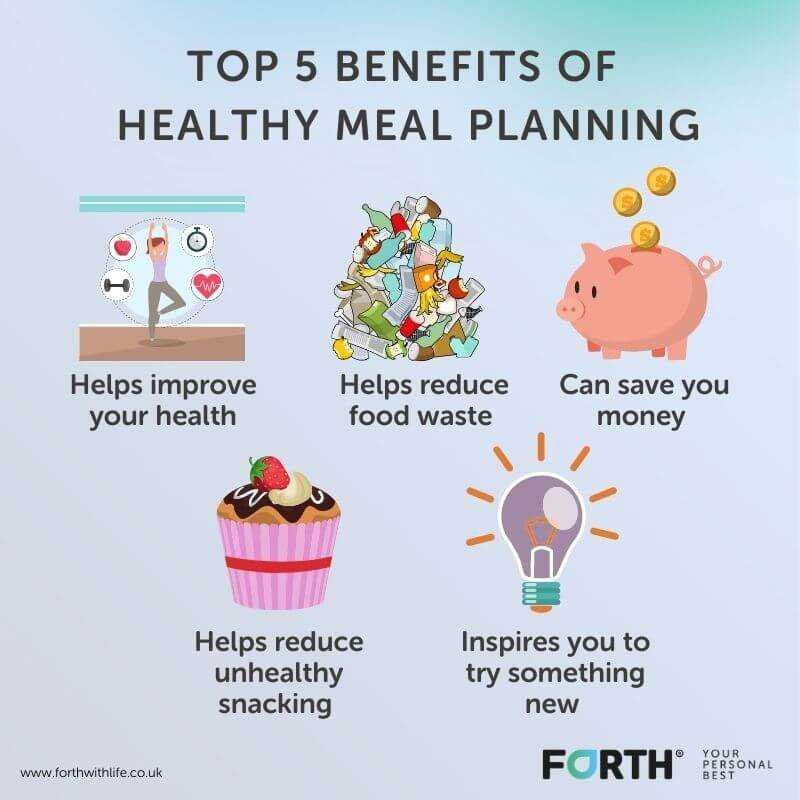
To curb mindless snacking, the key is to plan balanced meals that satisfy your hunger and nourish your body. Consuming well-rounded meals with the right mix of protein, fiber, and healthy fats helps keep your energy levels stable and reduces the urge to snack between meals. By being intentional about meal composition and timing, you can enjoy less snacking and better overall health.
Eating balanced meals is an effective strategy to cut down on unnecessary snacking. When your body gets the nutrients it needs during main meals, you’re less likely to crave those quick, often unhealthy snacks. Planning ahead ensures your meals are satisfying, making it easier to resist the temptation of reaching for chips or sweets throughout the day. This approach not only improves your diet but also promotes better digestion, energy, and mood, making it a sustainable way to manage your eating habits.

How to Reduce Snacking by Planning Balanced Meals
Understanding the Importance of Balanced Meals
Eating balanced meals helps your body get essential nutrients needed for energy and health. When your meals include the right mix of proteins, carbohydrates, fats, vitamins, and minerals, you feel fuller longer. This reduces the urge to snack between meals.
A well-balanced meal stabilizes blood sugar levels, preventing spikes and crashes that often lead to snacking. It also boosts your mood and keeps you energized throughout the day. Proper meal planning makes it easier to avoid unplanned, unhealthy snacks.
Key Components of a Balanced Meal
To reduce snacking, focus on including these key components in each meal:
- Proteins: Meat, fish, eggs, beans, nuts, or dairy help you feel full and support muscle growth.
- Carbohydrates: Whole grains, fruits, and vegetables provide energy and fiber.
- Healthy Fats: Avocado, nuts, seeds, and olive oil support brain health and keep you satisfied.
- Vitamins and Minerals: Colorful vegetables and fruits supply essential nutrients for overall health.
Including these components makes your meal satisfying and balanced, discouraging unnecessary snacking.
Meal Planning Tips for Reducing Snacking
Proper planning is essential to avoid frequent snacking. Here are some tips:
- Plan meals ahead: Prepare a weekly menu to ensure balanced nutrient intake.
- Choose portion sizes wisely: Use appropriate serving sizes to avoid overeating at mealtime.
- Set regular eating times: Stick to consistent meal times to prevent hunger-induced snacking.
- Include fiber-rich foods: Foods high in fiber like oatmeal, beans, and vegetables keep you full longer.
- Avoid skipping meals: Skipping meals can cause excessive hunger, leading to unhealthy snacking.
Effective planning reduces the temptation to snack out of boredom or hunger.
Creating a Weekly Meal Schedule
Designing a weekly meal schedule helps you stay on track. Include a variety of foods to prevent boredom and ensure a broad nutrient intake.
| Day | Breakfast | Lunch | Dinner | Snacks (Healthy options) |
|---|---|---|---|---|
| Monday | Oatmeal with berries | Grilled chicken salad | Baked salmon with vegetables | Apple slices with peanut butter |
| Tuesday | Whole grain toast with eggs | Quinoa and vegetable stir-fry | Turkey wrap with lettuce | Carrot sticks and hummus |
Having a plan helps prevent impulsive snacking and ensures meal balance.
Smart Snack Choices to Satisfy Hunger
When you do need a snack, choose healthy options that support your goal of reducing snacking frequency.
- Fruits: Berries, apples, oranges, or bananas
- Vegetables: Cucumber slices, cherry tomatoes, bell peppers
- Nuts and Seeds: Almonds, walnuts, sunflower seeds (in moderation)
- Protein-rich snacks: Greek yogurt, hard-boiled eggs, cheese sticks
- Whole grains: Air-popped popcorn, whole grain crackers
Healthy snacks are nutrient-dense and help control hunger without loading up on empty calories.
Understanding Hunger and Fullness Cues
Listening to your body’s signals can prevent unnecessary snacking. Eat slowly and pay attention to feelings of fullness.
Wait a few minutes after starting to eat to assess if you’re truly hungry. Drinking water before meals can also help differentiate between hunger and thirst.
Recognizing these cues helps you avoid eating out of habit or boredom.
Hydration and Its Role in Snacking
Dehydration can sometimes mimic hunger, leading to extra snacking. Drinking enough water throughout the day is vital.
- Drink water regularly: Aim for at least 8 glasses a day.
- Try herbal teas: They can satisfy the need to sip and keep you hydrated.
- Avoid sugary drinks: Soda and sweetened beverages can increase cravings.
Proper hydration supports digestion, keeps you feeling full, and may reduce the desire to snack unnecessarily.
Incorporating Physical Activity to Curb Snacking
Regular exercise helps regulate appetite and improves mood, which can decrease the urge to snack.
- Engage in daily movement: Walk, dance, or do yoga to stay active.
- Take short active breaks: Stretch or walk during breaks to distract from snacking thoughts.
- Combine activity with meal planning: Exercise reduces stress, which often triggers emotional snacking.
Physical activity supports overall health and helps maintain a balanced diet.
Managing Emotional Eating and Snacking
Emotional triggers like stress, boredom, or sadness often lead to unnecessary snacking. Recognize these feelings and find alternative activities.
- Practice mindfulness: Engage in deep breathing or meditation.
- Find hobbies: Reading, drawing, or listening to music can distract from snacking urges.
- Talk about feelings: Sharing emotions with friends or family helps reduce emotional eating.
Addressing emotional reasons behind snacking creates healthier habits and reduces reliance on food for comfort.
Monitoring Progress and Making Adjustments
Track your eating habits, snacking patterns, and feelings. Adjust your meal plans if you notice increased cravings.
Use a journal or app to record:
- Meal times and content
- Hunger levels before and after meals
- Snacking triggers and frequency
Review this data weekly and tweak your plan for better results. Small adjustments can lead to lasting change.
Encouraging Consistency and Setting Realistic Goals
Set achievable goals to stay motivated in reducing snacking. Celebrate small victories like sticking to meal times or choosing healthy snacks.
Consistency is key. Develop a routine that fits your lifestyle without feeling restrictive. Over time, healthy eating habits will become second nature.
Remember, progress takes time. Be patient with yourself and focus on steady improvements to achieve lasting success.
Can’t Stop Snacking? Here’s Your Solution. 🍿
Frequently Asked Questions
What are some effective ways to plan meals that prevent impulsive snacking?
To avoid impulsive snacking, create a meal schedule that includes balanced, satisfying dishes at regular intervals. Incorporate a mix of protein, fiber, and healthy fats into each meal to promote fullness. Preparing meals ahead of time and keeping nutritious snacks accessible can also help reduce the temptation to reach for unhealthy options between meals.
How can including a variety of food groups in meals reduce the urge to snack on unhealthy foods?
Including diverse food groups ensures your body receives essential nutrients, which helps you feel more satisfied after meals. When your body gets the nutrients it needs, you experience fewer hunger pangs that lead to unnecessary snacking. Focus on incorporating vegetables, lean proteins, whole grains, and fruits into your daily meals for optimal satiety.
What role does portion control play in reducing cravings between meals?
Practicing portion control helps prevent overeating during meals, which can decrease the chances of feeling hungry soon after. Consuming appropriately sized servings stabilizes blood sugar levels and reduces the desire for quick-fix snacks. Using smaller plates and measuring servings can assist in maintaining consistent portion sizes.
How can mindful eating contribute to fewer snack cravings?
Adopting mindful eating encourages you to pay attention to hunger cues and eat slowly, savoring each bite. This approach fosters a better understanding of your body’s actual needs and prevents eating out of boredom or emotion. As a result, you become less likely to snack unnecessarily and develop healthier eating habits.
Final Thoughts
How to reduce snacking by planning balanced meals is essential for maintaining a healthy diet. Focus on including proteins, healthy fats, and fiber in your meals to keep you full longer. Proper meal planning minimizes the temptation to reach for unhealthy snacks. Consistent, balanced meals support better energy levels and overall well-being.
As an Amazon Associate, We earn from qualifying purchases. When you purchase a product through Amazon links on pulsefitguide.com, we may earn a small commission at no extra cost to you. This helps support the site and keep our content free.
