


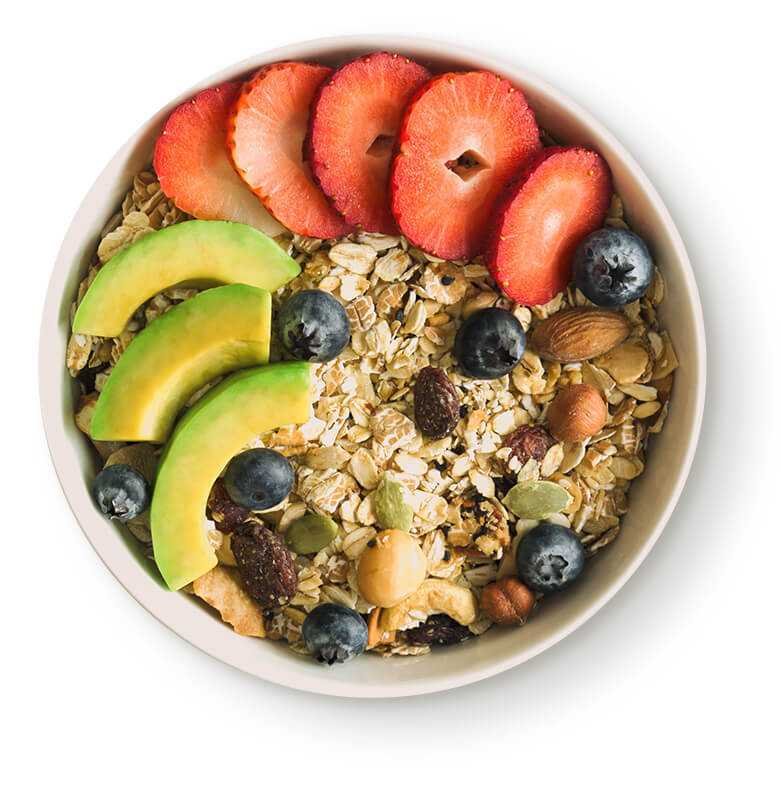
Eat your way to fullness without loading up on extra calories! Incorporating more fruits and vegetables into your diet can help you feel satisfied longer, all while keeping your calorie intake in check. The trick is to choose high-volume, nutrient-dense options and find tasty ways to include them in every meal.
To eat more fruits and vegetables and stay full on fewer calories, focus on filling half your plate with colorful produce, snack on them throughout the day, and experiment with flavorful recipes that make healthy eating enjoyable. By choosing whole, fresh options and preparing them creatively, you naturally reduce calorie intake while boosting fullness and nutrition.
Starting now, you can harness simple strategies to increase your veggie and fruit intake effortlessly. Imagine delicious salads, smoothies, and roasted vegetables that make you look forward to healthy eating. It’s easier than you think to enjoy more produce, stay full longer, and support your wellness goals—all without feeling deprived or overwhelmed.

How to eat more fruits and vegetables to stay full on fewer calories
Understanding Why Fruits and Vegetables Are Key to a Healthy Diet
Eating more fruits and vegetables provides essential nutrients like vitamins, minerals, and fiber. These nutrients support overall health, boost your immune system, and improve digestion. Because they are naturally low in calories, they help you feel full without overeating.
The Power of Fiber in Fruits and Vegetables
Fiber is a vital component that adds bulk to your meals, helping you stay full longer. Fruits and vegetables high in fiber include apples, berries, carrots, and broccoli. A diet rich in fiber can reduce hunger and promote healthy weight loss.
Matching Fruits and Vegetables with Your Daily Calorie Goals
Knowing which fruits and vegetables are low in calories helps you plan meals that satisfy your hunger. For example, leafy greens like spinach have fewer calories than starchy vegetables like potatoes. Incorporate a variety of colorful produce to maximize satiety and nutrient intake.
Integrating Fruits and Vegetables into Your Meals
Adding vegetables to every meal can be simple and effective. Include sliced tomatoes in sandwiches, add spinach to smoothies, or toss extra vegetables into stir-fries. Fruits can be used as snacks or dessert options to curb sweet cravings healthily.
Creative Ways to Incorporate More Produce
- Mix chopped vegetables into scrambled eggs
- Use fruit slices as toppings for yogurt or oatmeal
- Prepare salads with a variety of colorful vegetables and fruits
- Include veggie sticks with hummus as a snack
- Use pureed vegetables in sauces or soups for added volume and nutrients
Choosing Filling and Satisfying Fruits and Vegetables
Some produce items are more filling because of their fiber and water content. For example, water-rich vegetables like cucumbers or celery help you stay hydrated and full. Pair high-fiber fruits like pears with protein-rich options to enhance satiety.
Fruits and Vegetables with High Water Content
These include watermelon, strawberries, lettuce, and zucchini. They provide volume and hydration, making you feel full with fewer calories. Incorporate them into your meals to add bulk and freshness.
High-Fiber Options for Longer Satiety
Examples include raspberries, pears, carrots, and Brussels sprouts. These foods slow digestion and keep hunger at bay for longer periods. Combine fiber-rich produce with healthy proteins for optimal fullness.
Meal Planning Tips for Increased Fruit and Vegetable Intake
Planning your meals in advance ensures you consume enough produce daily. Aim for at least five servings of fruits and vegetables each day. Use meal prep techniques to have produce ready and accessible.
Sample Meal Ideas
- Breakfast: Fruit smoothie with spinach and berries
- Lunch: Large mixed vegetable salad with grilled chicken
- Dinner: Stir-fried vegetables with tofu or lean meat
- Snacks: Sliced apple with almond butter or carrot sticks with hummus
These options keep your meals enjoyable and varied while emphasizing produce.
Strategies to Overcome Common Barriers
Many people struggle with eating enough fruits and vegetables due to taste preferences or availability. Start small by adding a little more produce each day and gradually increase the portions. Experiment with different cooking methods to find what you enjoy most.
Making Fruits and Vegetables Taste Better
Add herbs, spices, or a drizzle of lemon juice to enhance flavor. Roast vegetables to bring out sweetness or blend fruits into smoothies for a naturally sweet treat. Combining produce with familiar ingredients can boost your intake.
Shopping Tips for Fresh Produce
Purchase seasonal fruits and vegetables for better flavor and lower prices. Visit local farmers’ markets for fresh, high-quality options. Keep produce visible in your kitchen to remind you to include it in meals.
Benefits of Eating More Fruits and Vegetables
Increased intake improves digestion, boosts immunity, and supports weight management. The fiber helps regulate blood sugar levels and prevents overeating. Additionally, a colorful plate provides a variety of antioxidants that fight inflammation and disease.
Additional Tips for Staying Full on Fewer Calories
Stay hydrated by drinking plenty of water, which can suppress appetite. Incorporate lean proteins and healthy fats alongside fruits and vegetables to promote fullness. Enjoy meals slowly to give your body time to signal fullness.
Hydration and Its Role in Hunger Control
Drinking water before meals can reduce hunger and calorie intake. Herbal teas or flavored water with fruit slices can also add variety and enhance hydration.
Combining Protein and Healthy Fats with Fruits and Vegetables
Adding nuts, seeds, or avocado to your produce-based meals increases satiety. These healthy fats slow digestion and keep you feeling satisfied longer.
Tracking Your Progress and Adjusting Your Intake
Use a food journal or app to monitor how many fruits and vegetables you eat daily. Gradually increase portions if needed and explore new produce options to keep meals interesting. Focus on consistency rather than perfection for lasting habits.
Setting Realistic Goals
Start by adding one extra serving of produce each day. Celebrate small successes to stay motivated. Over time, these small changes can lead to a significant increase in your total intake.
Involving Family and Friends
Cooking and shopping together motivate everyone to eat more produce. Share recipes and meal ideas to make the process fun and sustainable. Support from others can help maintain your healthy eating habits.
By understanding how to incorporate more fruits and vegetables into your daily routine, you can stay full longer on fewer calories. Focus on fiber-rich, water-packed produce, plan your meals carefully, and make small, sustainable changes. These strategies will not only improve your health but also help you enjoy a more satisfying and balanced diet.
The last diet advice you'll ever need: #Meat #Eggs #Fish #Chicken #Fruit #Vegetables #Water #Coffee
Frequently Asked Questions
What are some simple ways to incorporate more fruits and vegetables into my meals?
Adding fruits and vegetables to your meals can be easy by including them in your breakfast, lunch, and dinner. For example, toss berries or banana slices into your morning oatmeal, add leafy greens or peppers to sandwiches and salads, and include a variety of vegetables like carrots, zucchini, or mushrooms in stir-fries and pasta dishes. Preparing veggies ahead of time and keeping washed, chopped produce in the fridge encourages quick, healthy additions throughout the day.
How can I make fruits and vegetables more appealing to eat regularly?
Enhance the flavor and texture of fruits and vegetables by experimenting with different seasonings, herbs, and cooking methods. Roasting vegetables with a little olive oil and spices brings out their sweetness, while adding a drizzle of honey or a squeeze of lemon can make fruits more enjoyable. Incorporating dips like hummus, yogurt, or nut butters can also make raw produce more tempting and flavorful. Finding recipes that suit your taste helps build a sustainable habit of consuming more produce.
What are some healthy snack options that include fruits and vegetables?
Choose snacks that are easy to prepare and portable, such as apple slices with almond butter, carrot sticks with hummus, or cucumber rounds topped with a bit of cottage cheese. Smoothies made with fresh or frozen fruits and vegetables provide a nutritious, filling option, especially when combined with protein sources like Greek yogurt or protein powder. Keeping a variety of pre-cut produce in the fridge makes it convenient to grab a healthy snack whenever hunger strikes.
How can I ensure I’m eating enough fruits and vegetables during busy days?
Plan meals ahead by preparing fruit and vegetable portions in advance, such as chopping veggies for the week or slicing fruit for snacks. Incorporate fruits and vegetables into every meal, like adding berries to yogurt, including a side salad with lunch, or adding extra veggies to your pasta or rice dishes. Using frozen produce can also be a time-saving option that preserves nutrients and reduces prep time, helping you maintain a consistent intake even on hectic days.
Are there specific fruits and vegetables that help keep me full longer?
Fruits and vegetables high in fiber, like apples, pears, berries, carrots, and broccoli, promote satiety and help control hunger. Combining these with a source of protein or healthy fats, such as nuts or yogurt, boosts fullness even more. Including starchy vegetables like sweet potatoes or squash can also provide sustained energy and help you stay full longer. Focus on a variety of fiber-rich produce to support your appetite management efforts.
Final Thoughts
How to eat more fruits and vegetables to stay full on fewer calories emphasizes incorporating a variety of colorful produce into every meal. Snack on fresh fruits or add vegetables to your sandwiches and stir-fries. Preparing meals ahead of time helps ensure you choose healthy options consistently.
Including fruits and vegetables in your diet supports satiety and reduces calorie intake. Focus on filling half your plate with produce to naturally curb hunger. Consistent habits will help you enjoy the benefits of staying full while eating fewer calories.
As an Amazon Associate, We earn from qualifying purchases. When you purchase a product through Amazon links on pulsefitguide.com, we may earn a small commission at no extra cost to you. This helps support the site and keep our content free.
