


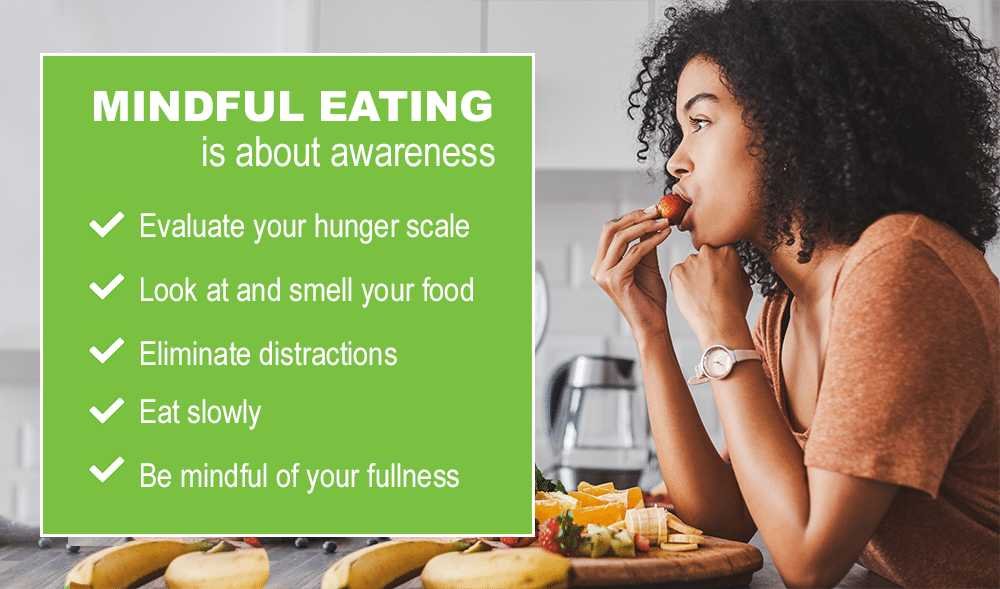
To practice mindful eating by chewing slowly and avoiding distractions, focus on fully savoring each bite, paying close attention to the taste, texture, and aroma of your food. Minimize interruptions like screens or noise, and take your time to chew thoroughly, which not only enhances digestion but also helps you recognize true hunger cues. Simply put, slowing down your eating pace and creating a distraction-free environment encourages a more conscious and satisfying mealtime experience.
If you want to eat more mindfully, start by setting your utensils down between bites and focusing solely on your food. Turn off screens and find a peaceful spot to eat, so your attention isn’t divided. Chew slowly and deliberately, giving yourself time to enjoy the flavors and notice when you feel full. These simple steps help you become more present during meals, leading to healthier habits and greater satisfaction with less food.
Eating mindfully is about more than just what you eat—it’s about how you eat. When you rush through your meals, you often miss the joy of eating and may overeat without realizing it. Practicing slow, deliberate chewing paired with avoiding distractions creates a calming mealtime environment. This encourages you to listen to your body’s hunger signals and enjoy your food more fully, making each meal not just nourishing but also a moment of mindful connection. Whether you’re busy or relaxed, these small changes can transform your relationship with food into one of greater awareness and satisfaction.

How to Practice Mindful Eating by Chewing Slowly and Avoiding Distractions
Understanding the Importance of Mindful Eating
Mindful eating encourages you to pay full attention to your food and your body’s signals. It helps you enjoy your meals more and can improve digestion and portion control. By chewing slowly and reducing distractions, you create a more intentional and satisfying eating experience.
Benefits of Chewing Slowly
Chewing slowly allows your brain to recognize when you’re full, preventing overeating. It also aids digestion by breaking down food more thoroughly. Additionally, slow chewing enhances the flavors and textures of your food, making meals more enjoyable.
How Slow Chewing Impacts Your Body
When you chew each bite carefully, saliva mixes with food better, helping enzymes ease digestion. This process reduces chances of indigestion and bloating. Slow eating can also stabilize blood sugar levels by giving your body time to process food gradually.
Steps to Practice Slow Chewing
- Start with small bites, taking the time to chew them completely.
- Count the number of chews per bite—aim for 20 to 30 chews.
- Put down your utensil between bites to avoid rushing.
- Take a deep breath after each bite to stay relaxed and present.
These simple habits remind you to slow down and savor each mouthful.
Creating a Distraction-Free Eating Environment
Distractions like TV, smartphones, or reading can disconnect you from your meal and lead to mindless eating. To practice mindful eating, prepare a calm setting where your focus remains on your food.
Strategies to Minimize Distractions
- Turn off electronic devices before starting your meal.
- Eat at a designated table without screens nearby.
- Set an intention to focus solely on your eating experience.
- Use a timer to allocate specific meal times, avoiding multitasking.
These practices help you become more aware of your hunger and fullness cues.
Combining Slow Chewing and Distraction Prevention for Better Results
Integrating both slow eating and distraction-free environments creates a powerful approach. It allows you to tune into your body’s signals and appreciate the sensory aspects of your food. This combination promotes healthier eating habits and greater satisfaction with less food.
Practical Tips for Maintaining Mindful Eating Habits
- Start with one meal a day dedicated to mindful eating.
- Keep a food journal to reflect on your eating experience.
- Practice deep breathing before and during meals to stay centered.
- Notice the textures, flavors, and smells of your food, engaging all senses.
Consistency helps these habits become part of your daily routine.
Addressing Common Challenges
Many find it hard to eat slowly due to busy schedules or habits. To overcome this, plan your meals in advance and give yourself extra time. If your mind drifts to other tasks, gently bring your attention back to your food.
Using Mindful Eating as a Tool for Weight Management and Overall Well-Being
Eating slowly and avoiding distractions can help you naturally eat less and enjoy your meals more fully. Over time, it supports healthier relationships with food and promotes overall well-being.
Additional Resources to Support Your Practice
Consider guided mindful eating exercises, such as meditation apps or workshops. Reading books on mindful eating can also deepen your understanding and commitment. Remember, patience and persistence are key as you develop these new habits.
2 Practices To Improve Your Eating Habits | How To Eat Slowly
Frequently Asked Questions
What are some effective techniques to slow down your eating pace?
To eat more mindfully, focus on taking smaller bites and chewing each piece thoroughly. Put down your utensils between bites and pause for a moment before taking the next bite. Paying close attention to the texture and flavor of your food can also naturally slow your eating pace. Using a timer can help you become more aware of how long you spend on each bite and encourage you to extend your mealtime.
How can eliminating distractions improve your mindful eating experience?
Reducing distractions like screens, TV, or phone usage allows you to fully concentrate on your meal. When your attention is on your food, you notice cues of fullness more easily and enjoy the flavors more deeply. Creating a calm eating environment and setting aside dedicated time for meals helps you avoid rushing or overeating, promoting better digestion and satisfaction.
What strategies can help maintain focus during mealtime?
Practicing mindful breathing before and during meals helps you stay present. You can also set an intention to eat slowly and savor each bite. Engaging your senses by observing the colors, smells, and textures of your food keeps you grounded in the moment. Putting away electronic devices and avoiding multitasking enables you to give your full attention to your eating experience.
How does taking smaller bites influence your digestion and fullness cues?
Eating smaller bites encourages you to chew more thoroughly, which aids digestion and allows your stomach to send fullness signals earlier. This mindful approach helps prevent overeating by giving your brain time to recognize satiety. As a result, you feel satisfied with less food and enjoy your meal more.
What role does setting a specific mealtime play in practicing mindful eating?
Designating a consistent mealtime helps establish a routine that emphasizes awareness and presence during eating. When you allocate dedicated time free from interruptions, you can focus solely on your food and your body’s signals. This intentional approach supports slower eating, better digestion, and a more fulfilling eating experience.
Final Thoughts
Practicing mindful eating by chewing slowly and avoiding distractions helps you enjoy your food more. Focus on each bite and truly taste the flavors. Turn off devices and create a calm environment to prevent interruptions.
Taking your time ensures better digestion and reduces overeating. Being present with your meals fosters a healthier relationship with food. Incorporate these simple habits into your routine for a more mindful eating experience.
As an Amazon Associate, We earn from qualifying purchases. When you purchase a product through Amazon links on pulsefitguide.com, we may earn a small commission at no extra cost to you. This helps support the site and keep our content free.
