


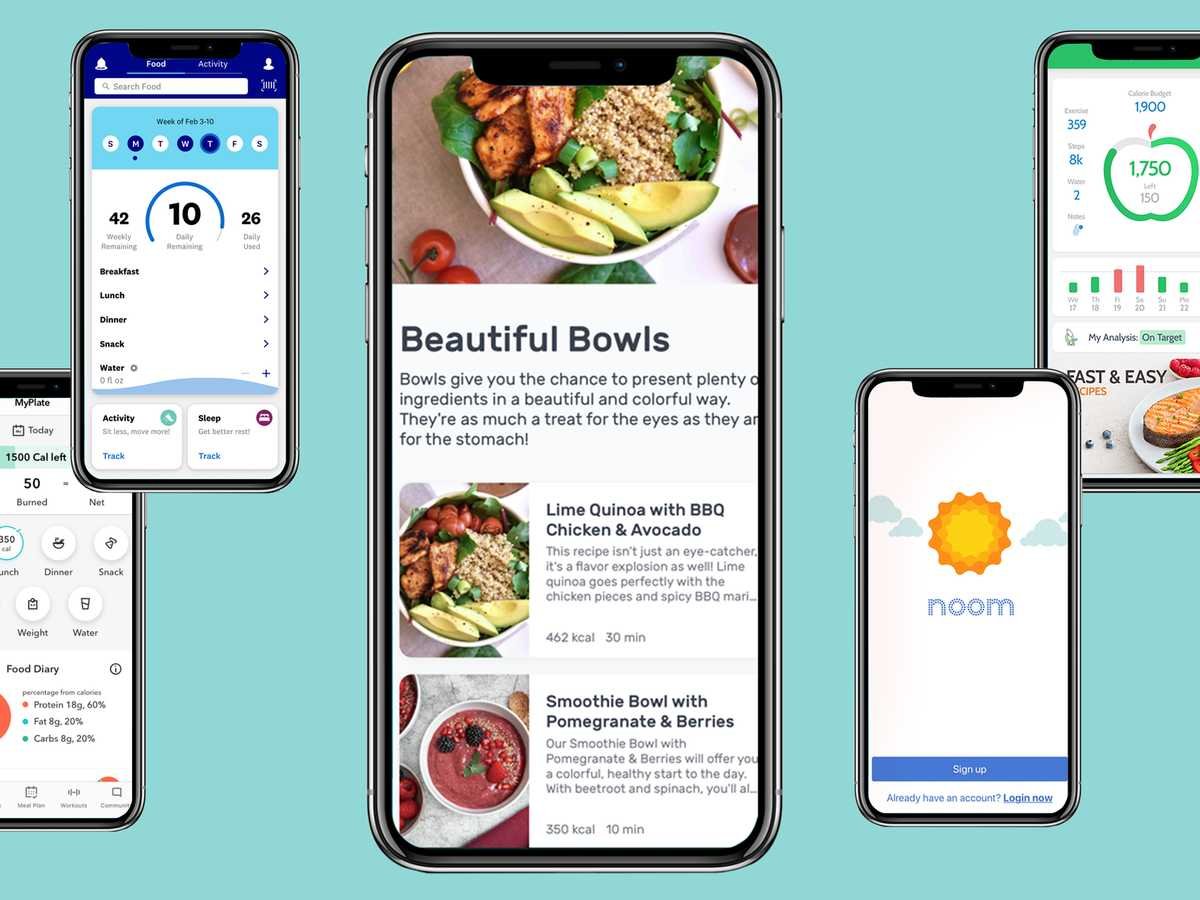
To effectively monitor your daily food intake and physical activity, start by choosing a method that suits your lifestyle—whether it’s a physical journal or a user-friendly app. The key is consistency; record your meals, snacks, and workouts immediately after they happen to ensure accuracy. Setting reminders can help build this habit, and reviewing your entries weekly will give you insight into your patterns and areas for improvement. Tracking your habits not only keeps you accountable but also motivates you to make healthier choices over time. The good news is, with just a little discipline and the right tools, you can easily stay on top of your health goals every day.
Keeping track of what you eat and your activities each day is a powerful way to gain awareness of your habits and make better health decisions. Whether you prefer jotting things down in a notebook or using a health app on your phone, the process involves recording your meals, physical activities, and even emotions related to your routines. The key to success is regularity—making it a daily habit and reviewing your entries to see progress or identify areas for change. By integrating this simple practice into your life, you’ll be better equipped to reach your wellness goals and stay motivated along the way.
Tracking your daily food and activity in a journal or app is a straightforward process that helps you stay mindful of your habits and progress. To get started, choose a method that feels accessible and convenient—you might prefer writing in a notebook or using dedicated apps like MyFitnessPal or Fitbit. Dedicate a few minutes each day to record everything you eat and every bit of exercise you do. Consistency is key; try to do it at the same time each day and set reminders if needed. Regular review of your entries will reveal patterns and motivate you to make healthier choices, turning tracking into a powerful tool for achieving your wellness goals.

How to track daily food and activity in a journal or app
Tracking your daily food intake and activity levels is a simple yet powerful way to stay motivated and reach your health goals. Whether you’re trying to lose weight, build muscle, or just stay active, keeping a record helps you see your progress clearly. By understanding what you eat and how much you move, you can make smarter choices and stay accountable.
Why tracking food and activity matters
When you log your meals and exercises, it becomes easier to spot patterns in your habits. You can identify areas where you might be consuming too many calories or not moving enough. Tracking provides valuable feedback, so you know what works and what needs improvement. It also keeps you motivated by showing your progress over time.
Choosing between a journal and an app
Many people prefer paper journals because they find writing by hand calming and personal. Others opt for digital apps for quick entry, reminders, and data analysis. Think about what suits your lifestyle best.
- Paper journal: Great for those who enjoy writing things down and minimizing screen time. It’s flexible and doesn’t require Wi-Fi or batteries.
- Mobile app: Offers convenience, synchronization across devices, and features like barcode scanning and trend analysis. It’s perfect for tech-savvy users and those who want detailed insights.
Setting up your tracking system
Start by picking your preferred method and creating a simple structure. Decide how often you will log data: daily, after each meal, or at specific times. Consistency is key to making your tracking effective.
- Get a dedicated notebook or download a trusted app like MyFitnessPal, Lose It!, or Fitbit.
- Create categories for food, activity, hydration, and notes.
- Set realistic goals for daily calorie intake and exercise duration.
What to track: foods and nutrients
Your food logs should include all meals, snacks, and beverages. Be honest and detailed to get an accurate picture of your habits.
| Food Item | Portion Size | Calories | Macronutrients |
|---|---|---|---|
| Apple | 1 medium | 95 | 0g fat, 25g carbs, 0g protein |
| Grilled Chicken | 4 oz | 165 | 3.6g fat, 0g carbs, 31g protein |
| Whole Wheat Bread | 2 slices | 160 | 2g fat, 30g carbs, 6g protein |
Including details like cooking method, added sauces, or condiments helps in accurate calorie counting. Tracking micronutrients such as vitamins and minerals can also be useful, especially for balanced diets.
Monitoring activity levels
Recording your physical activity helps you understand how active you are daily. This can include structured workouts, walking, or even household chores.
- Type of activity: Running, cycling, yoga, weightlifting, etc.
- Duration: How long you exercised
- Intensity: Light, moderate, or vigorous effort
- Calories burned: Estimated based on activity and your weight
Many fitness apps automatically track steps with your phone or wearable devices. Others allow manual entry of different workouts.
Incorporating hydration tracking
Staying hydrated impacts overall health and workout performance. Record daily water intake to ensure you’re drinking enough.
- Move beyond just water—include other beverages like tea or milk.
- Set daily goals, such as eight glasses or 2 liters.
- Note caffeine or alcohol consumption, as these influence hydration levels.
Using prompts and reminders to stay consistent
Set alarms or notifications to remind you to log your meals and activity. Consistency in tracking helps develop a sustainable habit.
- Plan specific times for recording, such as after each meal.
- Use app features like daily streaks or badges to stay motivated.
- Review your logs weekly to spot trends and adjust goals as needed.
Analyzing your data for progress
Regularly reviewing your logs offers insights into your habits. Look for patterns like high-calorie days or days with low activity.
Create visual charts or summaries to track weekly and monthly progress. Notice improvements or areas where you need further effort.
Adjusting goals based on your tracking
Use your data to modify your dietary or activity goals. For example, if you notice you’re consistently exceeding calorie limits, consider smaller meals or healthier choices.
Set incremental targets such as adding more vegetables or increasing daily steps. Tracking helps you stay focused and motivated by showcasing small wins.
Overcoming common challenges in tracking
Some find it hard to log every meal or workout. To avoid frustration, plan ahead and prepare meals in advance.
Remember that perfection isn’t necessary—aim for consistency and honesty. If you forget to log, don’t get discouraged; simply get back on track the next day.
Tips for successful daily tracking
– Keep your journal or app accessible at all times.
– Be honest and precise; accuracy matters more than perfection.
– Celebrate your progress to stay motivated.
– Adjust your tracking methods as needed to keep it manageable.
– Use visual aids like charts to see your progress at a glance.
Additional tools to enhance your tracking experience
Consider integrating gadgets such as fitness trackers, smart scales, or sleep monitors. These devices sync with apps to provide comprehensive data.
Explore social media or forums focused on health tracking for extra motivation and support. Sharing your journey can boost accountability.
Tracking your food and activity is an ongoing process that becomes easier over time. By establishing a routine, choosing the right tools, and analyzing your data regularly, you’ll stay motivated and make steady progress toward your health goals.
Food Diary See How You Eat app for Simple Meal Journaling
Frequently Asked Questions
What are some effective methods to record daily food intake accurately?
To record your daily food intake accurately, use detailed descriptions of portion sizes, including measurements like cups, ounces, or grams. Keep a consistent format, such as listing each meal separately with time stamps. Using a food journal or app that allows photo uploads can also help visualize your intake. Pay attention to ingredients and cooking methods to ensure your records reflect your actual consumption.
How can I stay motivated to consistently track my activities and meals?
Set clear and achievable goals that keep you focused on your progress. Reward yourself for maintaining your tracking habits, such as treating yourself to something enjoyable after a week of consistent logging. Find accountability partners or join groups with similar goals, which can provide encouragement. Recognize the benefits of tracking, like improved health awareness, to stay committed over time.
What features should I look for in a mobile app to effectively monitor my daily routine?
Choose an app that offers user-friendly navigation, customization options for your specific goals, and the ability to log both food and physical activities easily. Look for features like barcode scanners, recipe importers, and activity trackers that synchronize with wearable devices. Additionally, consider apps that provide progress summaries, reminders, and motivational insights to support your routine.
How can I incorporate tracking into a busy schedule without feeling overwhelmed?
< p>Keep your logging process simple by focusing on key details, such as meal descriptions and main activity types. Use quick-entry features or templates within your app to save time. Set specific times during the day, like after meals or workouts, to update your journal. Making tracking a quick routine can prevent it from feeling like a burden and help maintain consistency.
What are some common mistakes to avoid when tracking your daily food and activity?
Avoid underreporting or forgetting to log snacks and small meals, as these add up throughout the day. Do not rely solely on estimations; always aim for precise portion measurements whenever possible. Ignoring inconsistent tracking habits or skipping days can disrupt your progress. Regularly reviewing your entries helps identify patterns and prevent these common pitfalls.
Final Thoughts
Tracking daily food and activity in a journal or app helps you stay mindful of your habits. Record each meal and snack, noting portion sizes and ingredients. Log your physical activities, including exercise type and duration. Regular entries keep you aware of patterns and progress, making adjustments easier.
Consistent tracking builds awareness and motivation. Whether you prefer pen and paper or a digital tool, choose what fits your lifestyle. Staying committed ensures you accurately monitor your journey towards better health.
How to track daily food and activity in a journal or app provides clarity and focus, guiding you towards your goals efficiently.
As an Amazon Associate, We earn from qualifying purchases. When you purchase a product through Amazon links on pulsefitguide.com, we may earn a small commission at no extra cost to you. This helps support the site and keep our content free.
