


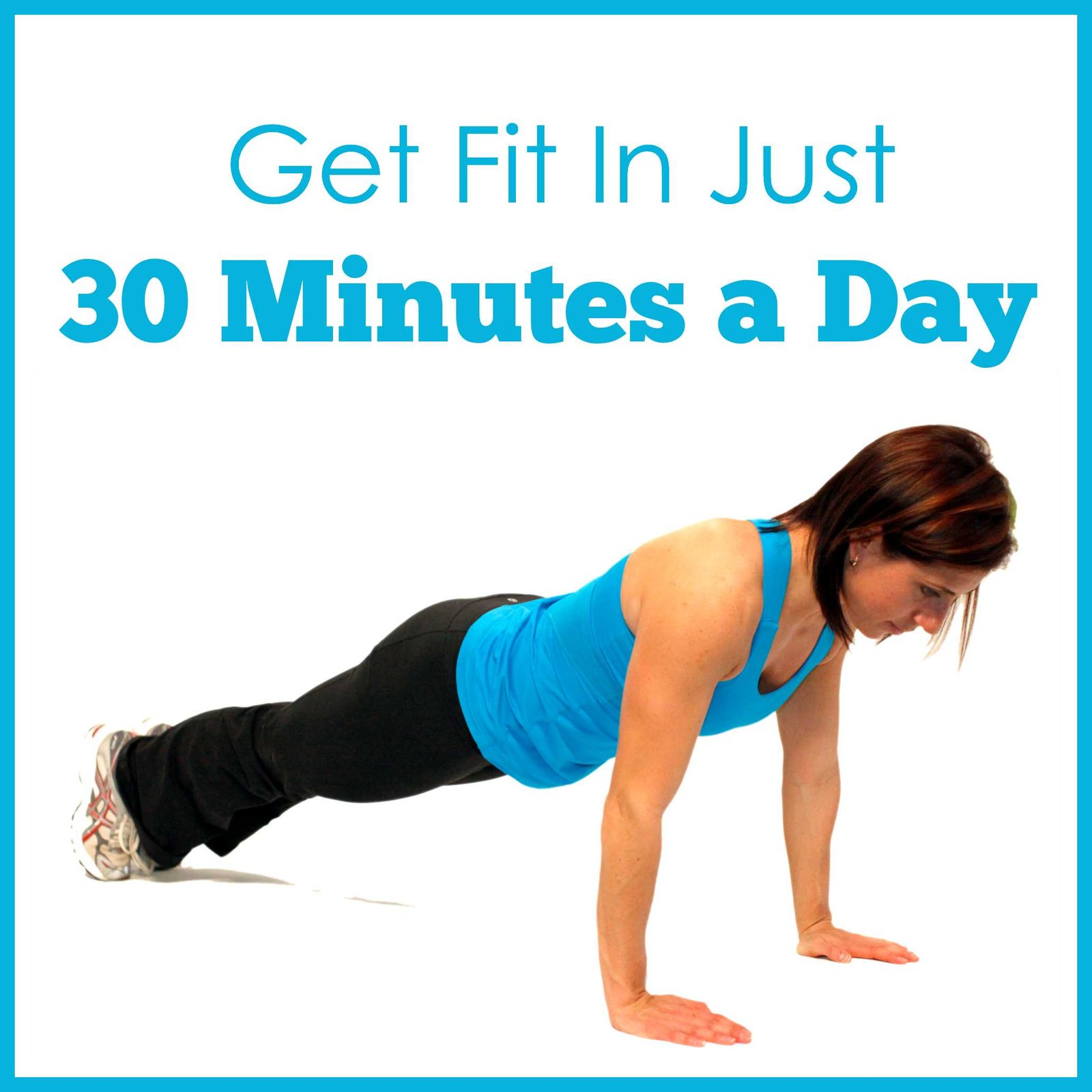
Start moving today—just 30 minutes of physical activity can transform your health and boost your mood! The easiest way to incorporate this routine is by making small changes to your daily schedule, like walking instead of driving or taking the stairs instead of the elevator. You don’t need a gym membership or fancy equipment; simply find activities you enjoy, whether it’s dancing, cycling, or a brisk walk in the park. Consistency is key, so aim to spread these 30 minutes throughout your day if needed. By committing to regular movement, you’ll feel more energized, improve your overall fitness, and reduce stress. Establishing a simple, enjoyable routine makes it easier to stick with and turn this healthy habit into a lifelong practice.

How to Include at Least 30 Minutes of Physical Activity Each Day
Why Daily Physical Activity Matters
Staying active every day helps keep your body strong and healthy. It improves heart health, boosts your energy, and can even make you feel happier. Regular movement also helps control weight and reduces the risk of illnesses like diabetes and high blood pressure. Small daily activities add up to big health benefits over time.
Setting Realistic Goals for Daily Exercise
Start by choosing achievable goals that fit your schedule and fitness level. If 30 minutes feels too long at first, break it into smaller chunks like 10 minutes three times a day. Setting clear goals keeps you motivated and makes it easier to stay consistent. Remember, even a little movement every day counts toward your health.
Simple Ways to Incorporate Physical Activity into Your Routine
Incorporating activity doesn’t mean you have to go to the gym. You can walk, dance, bike, or do household chores that make you move. Try to find activities you enjoy so exercise feels fun rather than a chore. Making small adjustments to your daily habits can significantly increase your activity levels.
Walking is an Easy and Effective Exercise
Walking is free, simple, and suitable for everyone. You can walk around your neighborhood, in a park, or even inside a shopping mall. Aim for brisk walking that makes your heart beat faster. Use a pedometer or smartphone app to track your steps and stay motivated.
Adding Dance and Movement to Your Day
Dancing is a joyful way to get moving. Play your favorite music and dance around your living room. Even 10-minute dance sessions can boost your mood and contribute to your daily activity. You can also join dance classes or follow online tutorials.
Bike Riding and Other Active Commuting Options
Biking to work or school can replace car rides while giving you a good workout. If biking isn’t possible, try walking for shorter trips. These options save money and reduce pollution while helping you stay active.
Incorporating Physical Activity into Family and Social Life
Making exercise a family activity encourages everyone to stay active. Plan outings like hikes, bike rides, or playing sports together. Exercising with friends or family provides motivation and makes physical activity more enjoyable.
Playing Sports and Games
Participate in sports like soccer, basketball, or tennis. These activities improve fitness and teach teamwork. Even non-competitive games like tag or hide and seek help keep kids and adults moving.
Group Exercise Classes and Community Activities
Join local classes like aerobics, yoga, or Zumba. Many communities offer free or low-cost sessions in parks or community centers. These classes provide structured activity and social interaction.
Making Physical Activity a Part of Your Daily Schedule
Scheduling exercise into your day helps establish regular habits. Set aside specific times, like morning or evening, to move your body. Use alarms or reminders to stay on track.
Creating a Weekly Exercise Plan
Plan your activities for the week ahead. Include a variety of exercises to target different muscles and prevent boredom. Write your plan down or use a calendar app to stick with it.
Balancing Intensity and Duration
Mix moderate activities like walking with more vigorous ones like running or jumping. Vary the length of your workouts to keep challenging your body without overdoing it. Remember, consistency is more important than intensity.
Overcoming Barriers to Daily Exercise
Many people face obstacles like lack of time, motivation, or resources. Identifying these barriers helps you find solutions.
Time Management Tips
Break your exercise into smaller segments if you are busy. Wake up 10 minutes earlier or do a quick workout during lunch breaks. Prioritize physical activity as part of your daily routine.
Staying Motivated and Accountable
Set goals, track your progress, and reward yourself for achievements. Invite friends or family to join you, making workouts more fun and motivating.
Adapting Activities for Different Fitness Levels
Adjust exercises so they match your current fitness. If walking is too easy, try brisk walking or add incline. If you find certain activities too challenging, explore beginner-friendly options and gradually increase difficulty.
Using Technology and Tools to Support Your Goals
Apps, trackers, and videos can make staying active easier and more enjoyable.
Fitness Trackers and Step Counters
Devices like pedometers encourage you to reach step goals each day. Monitoring your activity helps you stay accountable and see your progress.
Online Workouts and Virtual Classes
Follow workout videos on platforms like YouTube or join live classes. These resources offer guidance and variety, helping you stay motivated.
Apps for Setting Goals and Reminders
Use apps that set daily activity targets, remind you to move, and track your workouts. This technology helps turn exercise into a habit.
Creating a Supportive Environment for Movement
Surround yourself with encouraging people and make your environment conducive to activity.
Designing Your Home for Active Living
Keep workout equipment accessible and create open spaces for movement. Use bright lighting and motivating music to energize your workouts.
Encouraging Family and Friends to Exercise
Invite loved ones to join your activities. Sharing goals creates accountability and makes exercising more enjoyable.
Finding Inspiration and Staying Consistent
Follow fitness blogs, social media accounts, or local events. Regularly updating your routines keeps things fresh and helps you stay committed.
Monitoring Your Progress and Adjusting Your Routine
Track your activity levels and make changes as needed to keep progressing.
Keeping a Fitness Journal
Write down your daily activities, feelings, and achievements. Journaling helps spot patterns and motivates continued effort.
Listening to Your Body
Pay attention to how your body feels. Rest when needed and avoid overexertion to prevent injury.
Setting New Goals Over Time
As your fitness improves, challenge yourself with new activities or increased intensity. Setting fresh goals keeps you engaged and growing.
Incorporating at least 30 minutes of physical activity each day can be simple and fun. It involves making small changes, staying consistent, and finding activities you enjoy. Remember, every movement counts and helps build a healthier, happier life.
➜ Flatten Your Stomach ➜ Standing Workout for Over 50s 30 min 2
Frequently Asked Questions
What are some simple ways to incorporate physical activity into a busy daily schedule?
Integrate short bursts of activity throughout your day by taking the stairs instead of the elevator, walking or biking to nearby destinations, or standing up to stretch every hour. Planning quick sessions of exercise during breaks or after work also helps you reach your daily goal without feeling overwhelmed. Consistency is key, so find opportunities that fit seamlessly into your routine.
How can I make physical activity more enjoyable to stay motivated?
Choose activities you genuinely enjoy, such as dancing, swimming, or playing sports. Listening to your favorite music or exercising with friends can boost your enthusiasm. Setting small, achievable goals and celebrating your progress also keep the experience positive and encourage you to stick with your routine.
What strategies help me stay active on days when I feel less motivated?
On days when motivation drops, opt for low-impact activities like gentle walks or yoga, which require less effort but still contribute to your goal. Reminding yourself of the health benefits and how good you feel afterward can push you to move. Sometimes, just starting with five minutes can lead to more activity once you get into a rhythm.
How can I plan my week to ensure I achieve at least 30 minutes of activity daily?
Create a weekly schedule that dedicates specific times for exercise, such as mornings or lunch breaks. Mix different types of activities to keep things interesting and prevent boredom. Tracking your progress in a journal or app helps you stay accountable and see how well you’re meeting your daily goal.
What are some creative ways to stay active indoors?
Use household items for resistance exercises or follow online workout videos that require little space. Dance around your living room, do bodyweight exercises like push-ups and squats, or set a timer to remind yourself to stand and move regularly. Making indoor activity fun and varied keeps you engaged and helps you reach your goal.
Final Thoughts
Incorporating at least 30 minutes of physical activity each day boosts overall health. Find activities you enjoy, like walking or dancing, to stay motivated. Schedule exercise sessions at convenient times to develop a consistent habit. Prioritize movement in your daily routine to improve well-being and maintain energy levels.
As an Amazon Associate, We earn from qualifying purchases. When you purchase a product through Amazon links on pulsefitguide.com, we may earn a small commission at no extra cost to you. This helps support the site and keep our content free.
