


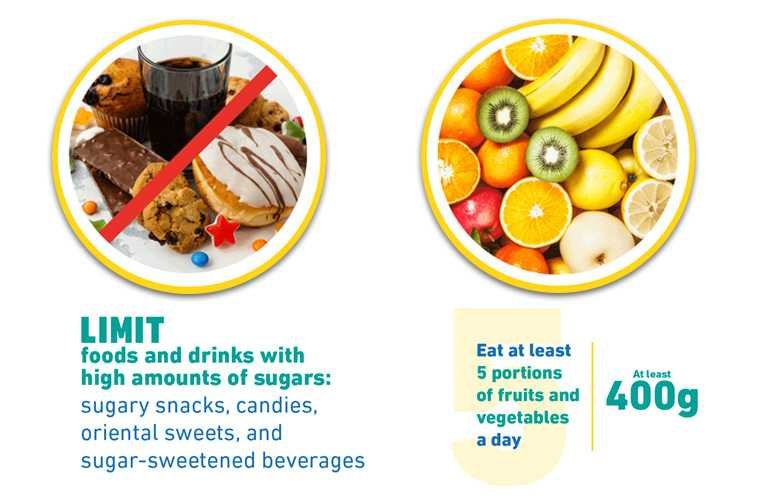
The key to better health might be simpler than you think—cutting back on those sneaky added sugars and refined carbs can dramatically improve your energy levels, mood, and overall wellness. A few smart swaps and mindful habits can make a big difference in reducing your intake without feeling deprived. To cut down, focus on choosing whole foods, reading labels carefully, and replacing sugary snacks with nutritious options. Small changes add up over time, helping you enjoy delicious meals while taking care of your body.
To reduce added sugars and refined carbs, start by cooking more meals at home using fresh ingredients, and opt for natural sweeteners like honey or fruit when needed. Read labels carefully to spot hidden sugars in processed foods, and choose whole grains over white flour products. Incorporating more vegetables, nuts, and proteins can also keep you full and satisfied, making it easier to avoid cravings for sugary or refined options.

How to Reduce Intake of Added Sugars and Refined Carbs
Understanding Added Sugars and Refined Carbs
Getting a clear picture of what added sugars and refined carbohydrates are helps you make healthier choices. Added sugars are sugars added during processing or cooking, like those in desserts or sugary drinks. Refined carbs have been processed to remove fiber and nutrients, often found in white bread, pastries, and many cereals.
Health Risks of High Sugar and Refined Carb Consumption
Consuming too much added sugar and refined carbs can lead to health problems. These include weight gain, increased risk of type 2 diabetes, heart disease, and dental issues. Cutting back can improve overall energy levels and support better metabolic health.
Reading Food Labels Carefully
Always check food labels for hidden sugars and refined carbs. Look for ingredients like glucose, sucrose, high fructose corn syrup, and maltose. Choose products with little or no added sugar and whole grain options instead of white or processed products.
Common Sources to Watch Out For
- Sodas and sweetened beverages
- Candy and baked goods
- Flavored yogurts and cereals
- Processed snack foods
- White bread, white rice, and pasta
Replacing Sugary and Refined Foods with Healthier Alternatives
Swapping out processed foods for whole, natural options can reduce your sugar and refined carb intake. Use whole grains like brown rice, oats, and whole wheat bread instead of white varieties. Snack on nuts, seeds, or fresh fruit for a sweet craving fix.
Healthy Snack Options
- Fresh fruit such as berries, apples, or oranges
- Raw vegetables with hummus or guacamole
- Unsweetened Greek yogurt with berries
- Whole-grain crackers with cheese
- Homemade smoothies with natural ingredients
Incorporating More Fiber into Your Diet
Fiber helps slow down sugar absorption, keeping blood sugar levels stable. Eat more vegetables, fruits, legumes, and whole grains. These foods not only decrease refined carb consumption but also boost satiety and energy levels.
Benefits of Dietary Fiber
- Controls hunger and reduces overeating
- Supports digestive health
- Helps maintain healthy blood sugar levels
Tips for Reducing Sugar in Your Daily Routine
Cutting back on sugar involves small, consistent changes. Begin by gradually reducing added sugar in your coffee or tea. Use natural sweeteners like honey or maple syrup sparingly and explore herbs and spices for flavor.
Creative Ways to Sweeten Naturally
- Adding mashed banana or applesauce in baking
- Using vanilla or cinnamon for flavor without extra sugar
- Enjoying fresh or dried fruit as a sweet snack
Managing Cravings and Emotional Eating
Cravings for sugary foods often come from emotional triggers or habits. Find alternative ways to cope, like walking, drinking water, or practicing mindfulness. Keeping healthy snacks on hand can prevent impulsive choices.
Strategies to Reduce Cravings
- Eat balanced meals with protein, healthy fats, and fiber
- Stay well-hydrated throughout the day
- Get enough sleep, as fatigue can increase sugar cravings
Meal Planning and Preparation
Planning meals ahead can significantly reduce reliance on convenience foods high in sugars and refined carbs. Prepare homemade meals with wholesome ingredients to control what goes into your food.
Batch Cooking Tips
- Cook large portions of whole grains and store in the fridge
- Pre-cut vegetables for quick additions to meals
- Make healthy snacks in advance
Adopting a Balanced Diet
A healthy diet balances macronutrients, focusing on whole foods. Incorporate lean proteins, healthy fats, and plenty of fruits and vegetables. Limit processed foods and focus on nutrient-dense options that keep you full longer.
Sample Daily Meal Plan
- Breakfast: Oatmeal topped with fresh berries and a drizzle of honey
- Lunch: Quinoa salad with chickpeas, cucumber, and olive oil
- Snack: Raw almonds and a piece of fruit
- Dinner: Grilled salmon with steamed broccoli and brown rice
Understanding the Role of Beverages
Many sweet drinks are significant sources of added sugars. Replacing sugary beverages with water, herbal teas, or infused water can cut down sugar intake dramatically.
Tips for Staying Hydrated
- Carry a reusable water bottle
- Add slices of citrus, cucumber, or mint for flavor
- Limit soda and fruit drinks to occasional treats
Gradual Changes for Long-Term Success
Making small, sustainable adjustments makes it easier to stick with healthier habits. Set realistic goals, like reducing sugar by 25% each week. Celebrate progress to stay motivated.
Tracking Your Progress
Use journals or apps to monitor food choices and recognize patterns. Noticing your habits helps identify areas for improvement and keeps you accountable.
Involving Family and Community
Sharing your goals with family or friends can provide support and accountability. Encourage others to join you in healthier eating for a more enjoyable and sustainable lifestyle.
Cooking Together
Preparing meals as a family promotes healthy habits and educates children early. Use this time to teach about reading labels and choosing whole foods.
Staying Informed and Educated
Keep learning about nutrition to make informed choices. Follow reputable sources for tips on reducing sugar and carbs, and stay updated on new healthy recipes and strategies.
Resources to Explore
- Nutrition websites and blogs
- Books on healthy eating
- Workshops or community programs
Reducing your intake of added sugars and refined carbs is a process of making mindful choices every day. By understanding your food, planning ahead, and choosing whole, nutritious options, you can build healthier habits that last. Small steps can lead to significant improvements in energy, mood, and overall health.
The EASIEST way to QUIT Sugar
Frequently Asked Questions
What are some healthy snack options to avoid cravings for sugary foods?
Opt for snacks rich in protein and fiber, such as nuts, seeds, Greek yogurt, or fresh fruits with a handful of nuts. These options help keep you full longer and reduce the desire for sweet treats. Incorporating vegetables with hummus or whole-grain crackers also provides satisfying alternatives that are low in added sugars and refined carbs.
How can I make my favorite recipes lower in added sugars and refined carbs?
Replace refined ingredients with whole-grain or alternative options. Use natural sweeteners like mashed bananas, dates, or a small amount of honey instead of processed sugars. Reduce the amount of sugar called for in recipes and experiment with spices such as cinnamon or vanilla to enhance flavor naturally. Incorporating more vegetables and nuts can also boost nutrition without relying on refined carbs.
What are some strategies to stay motivated while reducing sugar intake?
Set clear, achievable goals and track your progress to stay motivated. Focus on how reducing added sugars improves your energy, mood, and overall health. Surround yourself with supportive friends or join communities that share your health goals. Planning meals ahead of time and finding enjoyment in preparing whole, unprocessed foods can also help you stay committed to your dietary changes.
Are there specific beverages I should avoid to cut down on added sugars?
Limit or avoid sugary drinks like sodas, sweetened teas, and flavored coffees. Instead, opt for water, herbal teas, or infused water with fresh fruit slices. Reading labels on bottled drinks helps identify hidden sugars, and choosing unsweetened versions whenever possible supports your goal of reducing refined carbs and added sugars.
How can I gradually reduce my intake without feeling deprived?
Start by cutting back on the most obvious sources of added sugars and refined carbs, such as sugary cereals or candy. Swap these for healthier alternatives step by step, like choosing whole-grain bread or unsweetened products. Over time, your taste buds will adapt, making it easier to enjoy naturally sweet foods like fruit and vegetables without relying on processed sugars. Maintaining balance and allowing occasional treats can help you stay consistent with your goals.
Final Thoughts
Reducing intake of added sugars and refined carbs can significantly improve your health. Focus on eating whole foods like fruits, vegetables, and whole grains instead of processed snacks. Read labels carefully to avoid hidden sugars and choose natural sweeteners when needed. Making these changes can lead to better energy levels and overall wellness.
As an Amazon Associate, We earn from qualifying purchases. When you purchase a product through Amazon links on pulsefitguide.com, we may earn a small commission at no extra cost to you. This helps support the site and keep our content free.
