


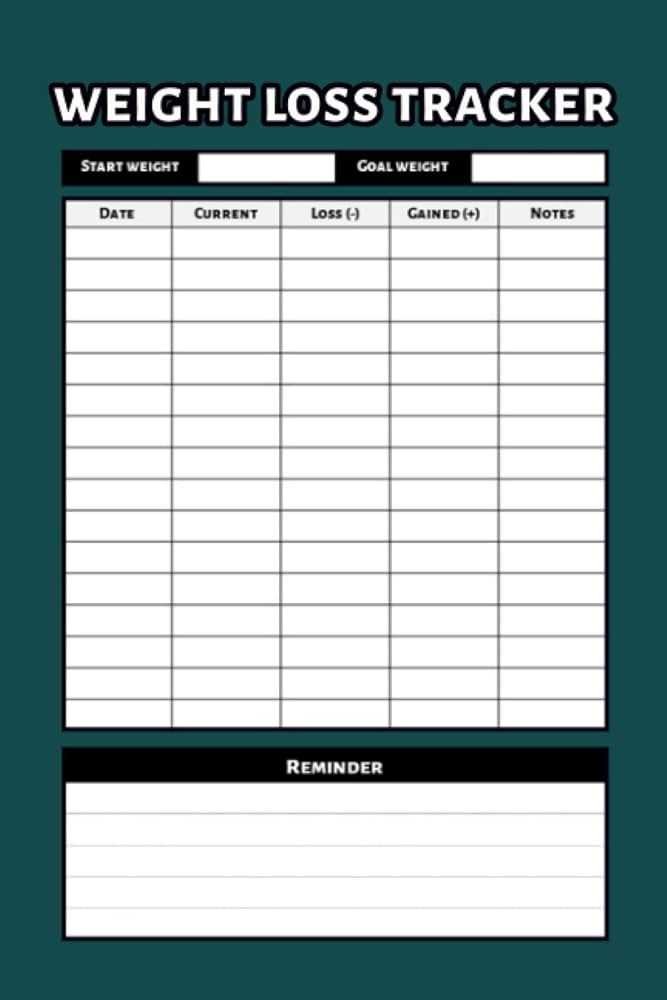
To effectively track your starting weight and body measurements, begin by recording your weight and measurements consistently, ideally at the same time each day or week. Use reliable tools like a digital scale and a flexible measuring tape, and note down your stats in a dedicated journal or app. This habit helps you see your progress clearly and stay motivated on your fitness journey.
In short, tracking your starting weight and body measurements involves regular, consistent recordings using accurate tools. Keep a dedicated record to monitor changes over time and stay motivated to reach your goals.
Starting your fitness journey can feel overwhelming, but tracking your initial weight and measurements is a simple yet powerful step. It provides a clear baseline, so you can see your progress and stay motivated as you work towards your goals. The key is to be consistent: measure yourself at the same time and under similar conditions, whether in the morning or after a workout. Using a good scale and a measuring tape ensures accuracy, and recording your stats regularly helps you stay focused and aware of your progress. Remember, small changes add up, and having a clear starting point makes your journey more manageable and rewarding.

How to Track Your Starting Weight and Body Measurements
Tracking your starting weight and body measurements is an important step to monitor your progress and stay motivated. It helps you see how your body responds to different exercises, diets, or lifestyle changes. Getting accurate measurements from the beginning makes it easier to set realistic goals and celebrate your achievements along the way.
Why Tracking Your Starting Weight and Measurements Matters
Tracking your initial data provides a clear picture of your current health status. It allows you to compare future results and notice subtle changes that might not be visible at first glance. This process also helps you identify patterns, whether you’re gaining muscle or losing fat. Keeping records can boost your motivation and help adjust your plan as needed.
Deciding What to Measure
Before starting, decide which measurements are most important to track. The most common include:
- Body weight
- Waist circumference
- Hip circumference
- Chest measurement
- Thigh circumference
- Arm circumference
Choose measurements based on your goals, such as weight loss, muscle gain, or overall health. You can add other measurements like calf size or bust if relevant.
The Tools Needed for Accurate Measurements
Gather the right tools to ensure consistency and accuracy:
- Reliable digital or analog scale for weight
- Flexible measuring tape for body measurements
- Pen and notebook or a digital app to record results
Use a consistent setup each time to get accurate readings.
How to Measure Your Weight Correctly
To get accurate weight readings:
- Weigh yourself first thing in the morning after using the bathroom and before eating or drinking.
- Wear light clothing or nothing at all for consistency.
- Step onto the scale with both feet flat and stand still.
- Record the number immediately.
Repeat the process weekly at the same time for best results.
Tips for Accurate Weight Measurement
- Weigh yourself on the same scale each time to avoid discrepancies.
- Place the scale on a flat, hard surface for stability.
- Avoid weighing yourself after intense exercise or heavy meals.
- Take note of any fluctuations and focus on overall trends rather than daily changes.
Measuring Body Circumference Accurately
Proper technique is key to consistent measurements:
- Use a flexible, non-stretchable measuring tape.
- Stand straight and breathe normally during measurement.
- Wrap the tape snugly around the area without compressing the skin.
- Ensure the tape is level and not twisted.
- Read the measurement at eye level and record it immediately.
Measuring Specific Body Parts
Each area has a slightly different method:
Waist
Measure at the narrowest point of your torso, typically just above the belly button.
Hips
Measure around the widest part of your hips and buttocks.
Chest
Wrap the tape around the fullest part of your chest, under your armpits.
Thighs
Measure around the thickest part of your thigh, usually mid-thigh.
Arms
Wrap around the widest part of your upper arm, usually at the biceps.
Recording and Organizing Your Data
Choose a method that works best for you:
- Use a dedicated notebook or planner for manual entries.
- Opt for digital apps designed for health tracking.
- Create a table in a spreadsheet for easy comparison and trend analysis.
Be consistent with your recording schedule, ideally once a week or biweekly.
Creating a Measurement Log
Your log should include:
- Date of measurement
- Weight
- Measurements for each body part
- Notes about any changes or factors like hydration levels or time of day
Updating your log regularly helps you visually track progress over time.
How to Interpret Your Records
Look for patterns rather than focusing on daily changes:
- A steady decrease in measurements indicates fat loss
- Increases in muscle areas might show muscle gain
- Plateaus are normal; consider adjusting your routines if progress stalls
Use your data to set new goals or modify your routines for better results.
Additional Tips for Effective Tracking
- Measure under similar conditions each time for consistency
- Avoid measuring immediately after eating or drinking
- Stay patient; progress can be slow but steady
- Share your data with a coach or friend for accountability
Handling Common Challenges
Many people face obstacles with tracking:
- Inconsistent measuring techniques
- Focusing too much on daily fluctuations
- Getting discouraged by small changes
Stay motivated by remembering that overall trends matter most.
Related Topics You Might Explore
- Best apps for body measurement tracking
- How to set realistic weight loss goals
- Understanding body fat percentage and how to measure it
- Nutrition tips to support your measurement progress
- Exercise routines that complement measurement tracking
Tracking your starting weight and body measurements might seem simple, but it plays an essential role in understanding your body and progress. Consistency and accuracy will help you see real changes over time, keep your motivation high, and guide your fitness journey effectively. Use the right tools, stay organized, and review your data regularly to stay on track.
How to take body measurements with an inch tape
Frequently Asked Questions
What is the best way to record your initial weight accurately?
To record your starting weight, weigh yourself first thing in the morning after using the restroom and before eating or drinking anything. Use a reliable digital scale that provides consistent readings. Record your weight in a dedicated notebook or a digital app to track progress over time. Taking measurements at the same time each week helps ensure accuracy and consistency.
How should I measure different parts of my body consistently?
Use a flexible measuring tape to take measurements of key areas like your waist, hips, chest, arms, and thighs. Stand in front of a mirror to ensure the tape is positioned evenly and snug without compressing the skin. Always measure in the same spot on each body part and keep the tape horizontal for accurate results. Record each measurement immediately after taking it to monitor changes accurately.
What is the ideal frequency for tracking body measurements?
Track your body measurements once every two to four weeks. This frequency allows you to observe meaningful changes without being affected by daily fluctuations. Consistent timing, such as measuring on the same day and time each measurement session, helps you compare data reliably and assess your progress effectively.
How can I ensure consistency when weighing myself over time?
Weigh yourself in similar conditions each time, such as on a flat surface, at the same time of day, and wearing similar clothing or none at all. Avoid weighing yourself after intense exercise or meals, as these factors can influence the scale reading. Keeping these parameters consistent helps you get a true picture of your weight changes over time.
Are there any tools or apps that can assist with tracking measurements effectively?
Yes, several apps and tools are designed to help you log and monitor your weight and body measurements easily. Some popular options include fitness tracking apps that offer customizable measurement entries and progress charts. Using these tools can motivate you by visually showing your progress and making it easier to see patterns over time.
Final Thoughts
Tracking your starting weight and body measurements is essential for monitoring progress accurately. Use a reliable scale and measure tape regularly, ideally once a week at the same time. Record your measurements in a dedicated notebook or app to keep everything organized. This habit helps you stay motivated and see tangible results over time. How to track your starting weight and body measurements becomes simple when you stay consistent and attentive to detail.
As an Amazon Associate, We earn from qualifying purchases. When you purchase a product through Amazon links on pulsefitguide.com, we may earn a small commission at no extra cost to you. This helps support the site and keep our content free.
