


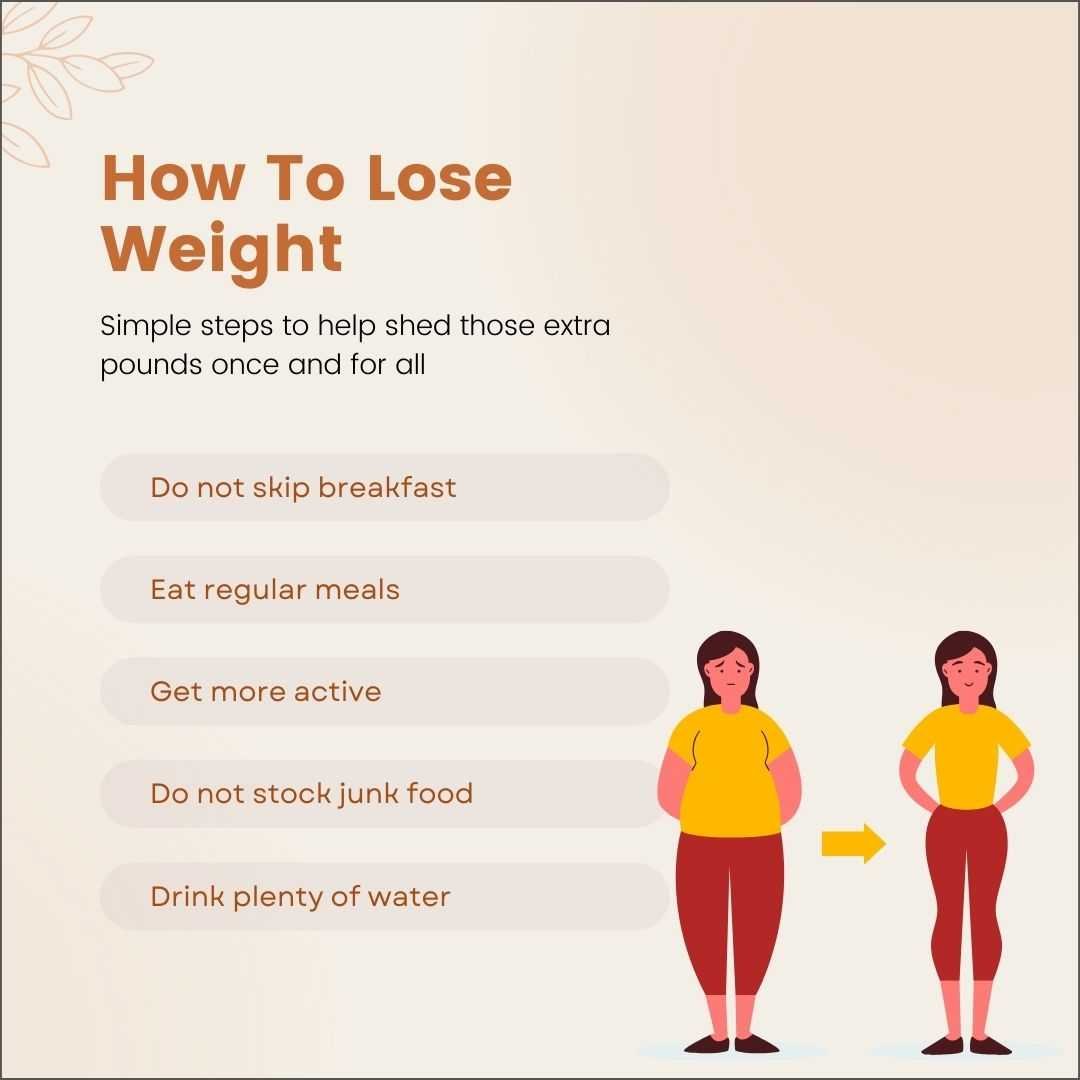
To set realistic fat loss goals that you can stick with, focus on gradual progress, personalized targets, and sustainable habits. Start by defining achievable milestones that fit your lifestyle, and avoid aiming for rapid results that can lead to frustration or burnout.
A quick solution is to aim for losing about 1-2 pounds per week, set specific, measurable goals, and prioritize long-term health over short-term perfection.
Getting started on losing fat can feel overwhelming, especially with so many conflicting tips out there. The key is to set goals that are challenging yet attainable, which encourages consistency without feeling deprived or discouraged. When your goals are realistic, you’re more likely to stay motivated and develop habits that last a lifetime. Remember, sustainable fat loss isn’t about quick fixes, but creating a balanced approach that fits your individual needs and allows you to enjoy the journey toward a healthier you.

How to Set Realistic Fat Loss Goals You Can Maintain
Understanding What Makes a Goal Realistic
Setting realistic fat loss goals starts with understanding what makes a goal achievable. Goals should be specific, measurable, and within your current capabilities. Trying to lose too much weight in a short period can lead to frustration and setbacks. Instead, focus on gradual progress that fits your lifestyle.
Why Patience Matters in Weight Loss
Fat loss is a journey that takes time. Rapid weight loss often results in muscle loss and nutritional deficiencies. Patience helps you stay consistent with your habits. Remember, losing 1 to 2 pounds weekly is considered safe and sustainable.
Setting SMART Goals for Fat Loss
SMART goals are a helpful way to plan your weight loss journey:
- Specific: Define exactly how much weight you want to lose.
- Measurable: Track your progress with scales, measurements, or photos.
- Achievable: Ensure the goal is realistic given your current situation.
- Relevant: Set goals that matter to your personal health and lifestyle.
- Time-bound: Decide on a deadline that motivates you without pressure.
Assessing Your Starting Point
Before setting targets, evaluate your current weight, body measurements, activity level, and eating habits. This helps create a personalized plan that suits your needs. Keep in mind your age, gender, and overall health status when planning your goals.
Choosing a Healthy Rate of Weight Loss
Aiming to lose about 1 to 2 pounds per week is generally safe. Rapid weight loss can lead to muscle loss and nutritional deficiencies. It also increases the chance of regaining weight later. Focus on steady, consistent progress instead.
Creating a Realistic Meal and Exercise Plan
Balance is key when designing your plan. Incorporate nutritious foods and regular physical activity. Avoid extreme diets or over-exercising, as these are hard to maintain long-term. Instead, aim for habits you enjoy and can stick with.
Nutrition Tips for Sustainable Fat Loss
- Eat plenty of vegetables, fruits, lean proteins, and whole grains.
- Limit sugar-sweetened beverages and highly processed foods.
- Control portion sizes to avoid overeating.
- Stay hydrated by drinking water regularly.
Exercise Strategies That Support Your Goals
- Combine cardio exercises like walking, cycling, or swimming with strength training.
- Engage in physical activity at least 150 minutes per week.
- Incorporate activities you enjoy to stay motivated.
- Gradually increase intensity and duration to avoid injury.
Tracking Progress Effectively
Monitoring your progress helps stay motivated and make necessary adjustments. Use a journal, apps, or photos to record changes over time. Remember, weight can fluctuate due to water retention and other factors. Focus on overall trends rather than daily changes.
Adjusting Goals as You Go
Regularly review your progress and modify your goals if needed. If you hit a plateau, consider changing your exercise routine or evaluating your diet. Flexibility makes it easier to stay committed and avoid frustration.
Overcoming Common Challenges
Many face hurdles like lack of motivation, emotional eating, or busy schedules. Develop strategies such as setting mini-goals, seeking support, and planning ahead. Building a positive mindset keeps you moving forward despite setbacks.
Maintaining Fat Loss Long-Term
After reaching your target, shift focus to maintenance. This includes continuing healthy eating habits and regular physical activity. Remember, weight management is an ongoing process that requires consistent effort.
Related Topics to Support Your Goals
- Healthy meal planning: Simplifies sticking to nutritious choices.
- Understanding body composition: Focus on fat loss rather than weight alone.
- Stress management: Reduces emotional eating and supports overall health.
- Sleep and recovery: Essential for fat loss and muscle repair.
Tools and Resources to Help You Succeed
Using apps, fitness trackers, or consulting with a professional can boost your progress. Look for supportive communities online or local groups that share similar goals. Remember, support and accountability are vital for maintaining motivation.
Importance of Celebrating Small Wins
Recognize each milestone, no matter how small. Celebrating progress boosts your confidence and keeps you motivated. Schedule non-food rewards like new workout gear or a relaxing massage.
Achieving and maintaining fat loss is a marathon, not a sprint. Set goals that are realistic, enjoyable, and adaptable to your lifestyle. Stay consistent, patient, and kind to yourself. Over time, these habits will help you reach your ideal weight and keep it off.
This approach ensures you create sustainable goals that fit your life. Focus on gradual change, enjoy the process, and celebrate your successes along the way. Remember, it’s about creating lasting habits that promote overall health and well-being.
The psychological weight loss strategy | Laurie Coots
Frequently Asked Questions
How can I determine a realistic weekly fat loss target?
To set a practical weekly fat loss goal, consider your current body weight, activity level, and caloric intake. A safe rate typically ranges from 0.5 to 2 pounds per week. Focus on creating a moderate calorie deficit through a combination of healthy eating and regular exercise, ensuring your goal is achievable and sustainable without risking health or motivation.
What factors should I consider when establishing long-term fat loss goals?
Think about your overall lifestyle, daily routines, and commitments. Choose goals that reflect your preferences and capacity to maintain habits over time. Setting smaller, incremental milestones helps prevent burnout and keeps you motivated, making it easier to stick with your plan for the long haul.
How do I avoid setting goals that are too aggressive or unmanageable?
Avoid aiming for rapid weight loss, which can lead to setbacks or health issues. Instead, base your goals on steady progress that aligns with your body’s response and lifestyle. Regularly monitor your progress and adjust your plan as needed to stay on a realistic and attainable path.
What role does patience play in achieving sustainable fat loss goals?
Patience allows you to focus on consistent progress rather than quick fixes. Sustainable fat loss takes time, and embracing this mindset helps you develop lasting habits. Recognize small successes along the way, which boosts motivation and encourages continued effort over months or years.
How can I tailor my goals to fit my personal preferences and constraints?
Identify activities and dietary habits you enjoy, making it easier to stick to your plan. Set specific goals that fit your schedule and resources, avoiding overly restrictive intentions. Customizing your approach increases the likelihood of maintaining healthy behaviors over time.
Final Thoughts
How to set realistic fat loss goals you can maintain. Achieving steady progress begins with setting specific, achievable targets. Focus on gradual changes rather than quick fixes to ensure long-term success.
Track your habits and adjust your goals as needed, staying flexible and patient. Celebrate small wins to stay motivated and committed.
By setting realistic fat loss goals you can maintain, you create a sustainable routine that promotes lasting results.
As an Amazon Associate, We earn from qualifying purchases. When you purchase a product through Amazon links on pulsefitguide.com, we may earn a small commission at no extra cost to you. This helps support the site and keep our content free.
