


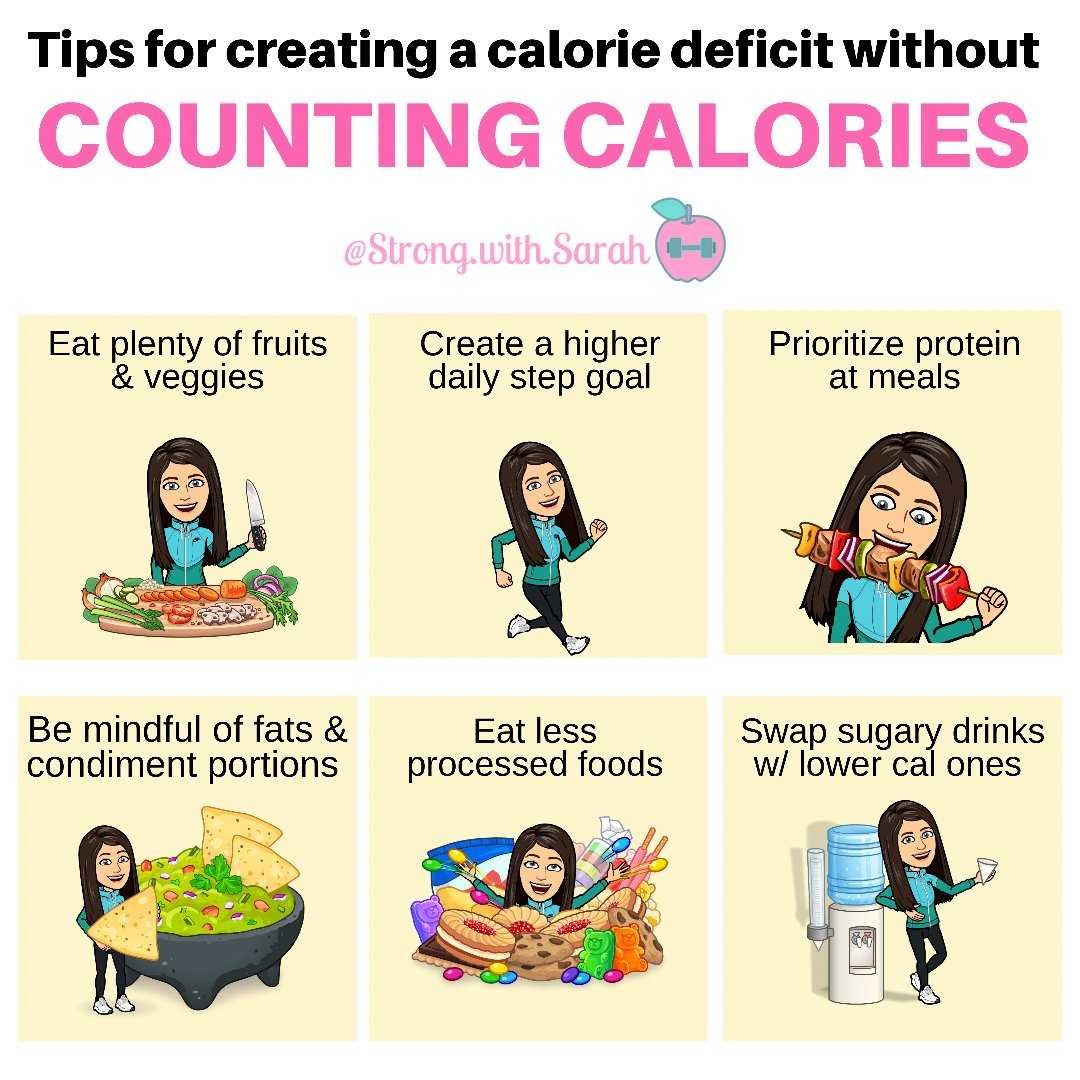
To effectively create a calorie deficit, start by monitoring what you eat daily using tools like apps or food journals, and aim to consume fewer calories than you burn. Simple adjustments, like portion control and choosing healthier options, make a big difference. Staying consistent and tracking your progress helps ensure you’re on the right path to reaching your weight loss goals.
Tracking your calorie intake to create a deficit involves understanding your daily energy needs and carefully recording everything you eat. By using apps or keeping a food diary, you can identify high-calorie foods and make smarter choices. Small, consistent changes in your diet, combined with regular physical activity, will help you burn more than you consume, leading to weight loss. Staying mindful and committed is key to making sustainable progress.
Starting a calorie-conscious journey might seem overwhelming at first, but it’s easier than you think. Many people struggle with weight management because they don’t realize how much they’re eating or mistake healthy foods for low-calorie options. By keeping a close eye on your calorie intake, you gain awareness of your eating habits and can make informed decisions. This habit not only helps in creating a calorie deficit but also encourages a better understanding of your body’s needs. With the right tools and a bit of dedication, tracking your calories becomes a simple, empowering step toward a healthier, more controlled lifestyle.

How to Track Your Calorie Intake to Create a Deficit
Tracking your calorie intake is essential if you want to lose weight effectively. It helps you understand how much food you consume and how it impacts your body. Creating a calorie deficit means eating fewer calories than your body uses, which leads to weight loss.
Understanding Calories and Why They Matter
Calories are units of energy found in food and drinks. Your body needs calories to perform vital functions like breathing, digestion, and physical activity. Consuming more calories than your body needs results in weight gain, while eating fewer creates a deficit for weight loss.
Knowing your daily calorie requirements depends on factors like age, gender, weight, height, and activity level. This helps you set a realistic target for your caloric intake. Monitoring these numbers makes tracking easier and more accurate.
Determining Your Daily Calorie Needs
Start by calculating your Basal Metabolic Rate (BMR), which is the number of calories your body needs at rest. You can use formulas such as Harris-Benedict or Mifflin-St Jeor for this purpose. Then, multiply your BMR by an activity factor to get your Total Daily Energy Expenditure (TDEE).
| Factor | Activity Level | Multiplier |
|---|---|---|
| Sedentary | Little or no exercise | 1.2 |
| Lightly active | Light exercise or sports 1-3 days/week | 1.375 |
| Moderately active | Moderate exercise or sports 3-5 days/week | 1.55 |
| Very active | Hard exercise or sports 6-7 days/week | 1.725 |
| Extra active | Very hard exercise or physical job | 1.9 |
Knowing your TDEE allows you to set a target for calorie intake to create a deficit. For instance, aiming to consume 500 calories less than your TDEE per day can lead to roughly one pound of weight loss weekly.
Tracking Your Calories Effectively
Using Food Journals and Mobile Apps
Many people use food journals or diet apps to track their daily calories. Applications like MyFitnessPal, Lose It!, or Cronometer allow you to log foods easily. They often include barcode scanners and extensive food databases for quick entry.
Inputting accurate data is key; weigh or measure foods when possible. Be honest and consistent to get the most reliable results. Check your progress regularly to stay motivated and make adjustments if needed.
Understanding Food Labels
Food labels display calorie information per serving size. Always read labels carefully to avoid underestimating calorie content. Pay attention to serving sizes, as they can vary between products.
Keep in mind that processed foods often contain hidden calories from added sugars and fats. Choosing whole, unprocessed foods helps control calorie intake better.
Portion Control and Serving Sizes
Portion control is a simple way to manage caloric intake without feeling deprived. Use measuring cups, food scales, or visual cues to serve appropriate portions.
- Compare your servings to common objects, like a fist for fruits or vegetables, or a deck of cards for meats.
- Pre-portion snacks to prevent mindless eating.
- Divide larger packages into smaller containers for easier management.
Creating a Calorie Deficit Safely
Reducing calorie intake too drastically can be harmful and unsustainable. Aim for a gradual reduction of 500 to 750 calories daily for effective weight loss.
Incorporate nutrient-dense foods to stay satisfied and maintain energy levels. Focus on vegetables, lean proteins, whole grains, and healthy fats to prevent nutrient deficiencies.
Monitoring and Adjusting Your Diet
Track your progress weekly to spot trends and make necessary changes. If weight loss stalls, consider decreasing calories slightly or increasing activity.
Listening to your body’s hunger and fullness cues also helps prevent overeating. Eating slowly and mindfully can improve your awareness of how much you actually need.
Additional Tips to Stay on Track
- Plan meals ahead of time to avoid impulsive eating.
- Stay hydrated; sometimes thirst is mistaken for hunger.
- Seek support from friends, family, or online communities for motivation.
Common Challenges and How to Overcome Them
Dealing with Plateaus
Weight loss can stall temporarily, especially after initial success. During plateaus, review your calorie intake and activity levels. Slight adjustments often help restart progress.
Managing Cravings and Emotional Eating
Identify triggers that lead to overeating and find alternative activities, like walking or hobbies, to cope. Allow yourself occasional treats within your calorie limits to prevent frustration.
Additional Tools to Help Track Calories
- Smart kitchen scales for precise measurements
- Calorie-tracking journals for daily notes
- Wearable fitness devices to estimate activity levels
Integrating these tools into your routine enhances accuracy and accountability. Combining technology with mindful eating creates a sustainable path to your weight loss goals.
Building Long-Term Habits
Consistent tracking and mindful eating foster habits that support ongoing health and wellness. Focus on gradual changes that become part of your lifestyle, rather than quick fixes.
Remember, patience and perseverance are key. Celebrating small victories keeps motivation high and promotes lasting progress.
How To Calculate A Calorie Deficit For Weight Loss | Nutritionist Explains | Myprotein
Frequently Asked Questions
What are the best tools to accurately log your daily calorie intake?
Using dedicated apps like MyFitnessPal, Lose It!, or Cronometer helps you track your calorie consumption precisely. These tools allow you to input foods quickly, scan barcodes, and access a comprehensive database of items. Additionally, keeping a food journal on paper or digital notes can be effective if you prefer manual tracking. Consistently logging your meals ensures you stay aware of your calorie intake without missing any details.
How can portion control assist in maintaining a caloric deficit?
Controlling your portion sizes helps prevent overeating, even when consuming healthy foods. Using measuring cups, a kitchen scale, or visual cues like hand portions guides you in serving appropriate amounts. This practice allows you to enjoy a variety of foods while staying within your calorie goals, making it easier to create and sustain a deficit over time.
What strategies help in reducing calorie intake without feeling deprived?
Incorporate more fiber-rich vegetables, lean proteins, and whole grains into your meals to stay full longer with fewer calories. Drinking water before meals can also reduce hunger, preventing unnecessary snacking. Avoid distractions like screens during eating, which can lead to overeating. These habits help you lower your calorie intake naturally while enjoying your meals.
How can tracking your food intake over time improve your calorie deficit efforts?
Monitoring your food intake daily reveals patterns and habits that affect your progress. Reviewing your logs weekly enables you to identify areas where you might consume more calories than intended. This insight allows you to adjust your diet or portion sizes proactively, ensuring you stay on track toward your goals.
What role does consistency play in successful calorie tracking?
Consistently recording what you eat helps build awareness about your habits and keeps you accountable. Regular tracking fosters mindful eating, reducing impulsive choices. Over time, this consistency supports sustained caloric deficits, leading to steady progress toward your weight management goals.
Final Thoughts
To track your calorie intake to create a deficit, start by recording everything you eat and drink daily. Use a food diary or an app to log your meals accurately. Pay attention to portion sizes and calorie counts to stay within your target range. Consistency and mindful choices are key to achieving your weight loss goals effectively.
As an Amazon Associate, We earn from qualifying purchases. When you purchase a product through Amazon links on pulsefitguide.com, we may earn a small commission at no extra cost to you. This helps support the site and keep our content free.
