


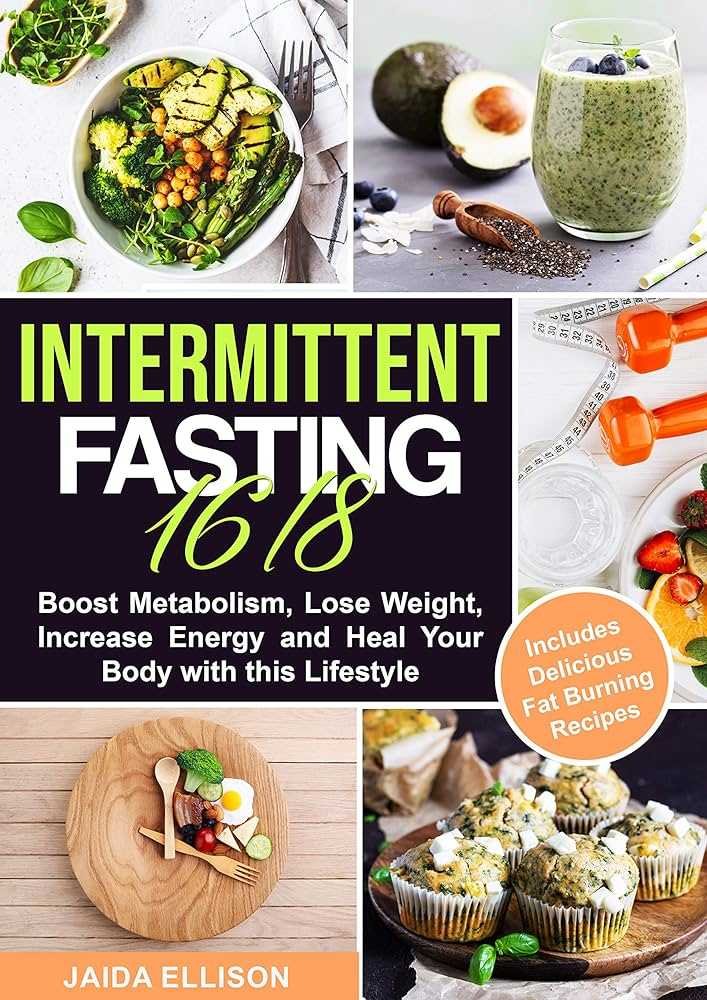
To effectively boost fat metabolism with intermittent fasting, start by choosing a fasting window that suits your lifestyle—common methods include 16:8 or 5:2. During fasting hours, focus on staying hydrated and avoid calorie-rich foods, while during your eating periods, prioritize nutrient-dense meals rich in healthy fats and protein. Incorporating regular physical activity and maintaining consistency can enhance fat-burning benefits.
Intermittent fasting works by encouraging your body to tap into fat stores for energy when food intake is limited, boosting metabolism over time. By strategically timing your meals and staying disciplined, you can optimize fat burning and support your weight management goals without feeling deprived.
If you’re looking to supercharge your fat metabolism, using intermittent fasting is a smart and flexible approach. It helps your body switch from burning glucose to burning fat, leading to increased fat loss and improved metabolic health. With simple planning and dedication, you can unlock these benefits and make fasting a sustainable part of your health routine.

How to Use Intermittent Fasting to Boost Fat Metabolism
Understanding Intermittent Fasting and Its Benefits
Intermittent fasting involves cycling between periods of eating and fasting. It is a popular approach to improve overall health and manage weight. By focusing on when you eat, you can influence your body’s ability to burn fat more efficiently.
During fasting periods, your body shifts from using glucose for energy to utilizing stored fat. This process helps you lose weight and increases your energy levels. Additionally, intermittent fasting can improve insulin sensitivity, making fat burning easier.
How Intermittent Fasting Enhances Fat Burning
When you fast, insulin levels decrease, signaling your body to start breaking down stored fat. This reduction allows fatty acids to enter your bloodstream and be used as energy. Over time, regular fasting can help your body become more effective at burning fat.
Fasting also helps reduce levels of hunger hormones such as ghrelin. This can make it easier to stick with your fasting schedule while feeling less hungry. As a result, fasting becomes a sustainable way to boost fat metabolism.
Popular Methods of Intermittent Fasting
You can choose from several fasting schedules based on your lifestyle and goals. Here are some common methods:
- 16/8 Method: Fast for 16 hours and eat during an 8-hour window.
- 5:2 Diet: Eat normally five days a week, and restrict calories to 500-600 on two non-consecutive days.
- Eat-Stop-Eat: Fast for 24 hours once or twice a week.
- Alternate-Day Fasting: Alternate between a day of fasting and a day of regular eating.
Choosing the right method depends on your schedule and how your body responds. Starting gradually can help you adapt smoothly to fasting routines.
Optimizing Fasting Windows for Fat Metabolism
Maximizing fat burning involves selecting the best fasting window. The 16/8 method is popular because it balances ease of implementation and effectiveness. During the fasting period, focus on staying hydrated and avoiding caloric drinks.
Extending fasting periods beyond 16 hours can sometimes lead to more significant fat loss, but it’s important to listen to your body. Ensure you are well-nourished during eating windows to avoid deficiencies and promote recovery.
Choosing Foods to Support Fasting and Fat Burn
While fasting, your body relies on stored fat for energy, but what you eat during eating windows influences fat metabolism. Focus on nutrient-dense foods that stabilize blood sugar and support overall health.
Include plenty of lean proteins, healthy fats, and fiber-rich vegetables. Avoid highly processed foods and sugars that can spike insulin and hinder fat burning. A balanced diet enhances your fasting benefits and sustains energy levels.
Incorporating Exercise for Better Results
Adding physical activity can amplify fat metabolism during fasting. Light to moderate exercises like walking, cycling, or yoga can be performed during fasting periods without causing fatigue.
Timing your workouts around fasting windows matters. Low-intensity workouts are most effective when performed in a fasted state. Avoid intense training during extended fasts to prevent dizziness or exhaustion.
Monitoring Your Progress and Adjusting Plans
Track how your body responds to fasting through a journal or health app. Notice changes in energy, hunger, and weight. If you experience persistent fatigue or dizziness, reassess your fasting schedule or diet plan.
Adjustments might include shortening fasting periods, increasing calorie intake during eating windows, or changing exercise routines. Consistency and patience are key to seeing long-term benefits.
Addressing Common Challenges and How to Overcome Them
Fasting can cause hunger and mood swings initially. Drinking plenty of water, herbal teas, or black coffee during fasting hours can help reduce hunger.
Get adequate sleep and manage stress levels to prevent hormonal imbalances that hinder fat burning. If you experience persistent discomfort, consult a healthcare professional for personalized advice.
Additional Tips for Boosting Fat Metabolism with Fasting
- Stay Hydrated: Water supports metabolic processes and reduces hunger.
- Eat Adequately During Feeding Windows: Avoid overeating; focus on balanced meals.
- Limit Snacking: Stick to scheduled eating periods to maintain fasting benefits.
- Consider Supplements: Omega-3 fatty acids and green tea extract may support fat metabolism.
Related Topics to Explore
1. The Role of Ketogenic Diets and Fasting
Combining low-carb diets with fasting can further enhance fat burning by promoting ketosis, where your body uses fat as its main energy source.
2. Intermittent Fasting and Hormonal Balance
Fasting influences hormones like leptin and ghrelin, which regulate hunger and fat storage. Understanding these hormones can help optimize your fasting routine.
3. Safety Tips and Precautions
People with medical conditions, pregnant women, or those on medication should consult their healthcare provider before starting fasting routines. Proper guidance ensures safe and effective results.
4. Long-term Benefits Beyond Fat Loss
Intermittent fasting can improve metabolic health, reduce inflammation, and foster better mental clarity. Incorporating fasting into your lifestyle can be a valuable step toward overall wellness.
Implementing intermittent fasting thoughtfully enables you to boost your body’s ability to burn fat naturally. By paying attention to your body’s signals and making adjustments as needed, you can enjoy sustainable health benefits and improved body composition.
How To Do Intermittent Fasting To Lose Belly Fat (For Beginners)
Frequently Asked Questions
What are the best fasting windows for increasing fat burning?
Choosing the right fasting window can significantly impact fat metabolism. Common approaches include the 16/8 method, where you fast for 16 hours and eat during an 8-hour window, or the 14/10 method. These schedules allow your body to deplete glycogen stores and start burning fat for energy. It’s important to select a window that fits your lifestyle and promotes consistency to see effective results.
How can I optimize my eating habits during the fasting periods?
Focus on consuming nutrient-dense foods rich in healthy fats, lean proteins, and fiber during your eating windows. Avoid processed foods and high-sugar items that can spike insulin levels and hinder fat breakdown. Staying well-hydrated with water, herbal teas, or black coffee can also support your fasting efforts. Eating balanced meals will help maintain energy levels and promote sustained fat burning.
Are there specific workouts that enhance fat metabolism during intermittent fasting?
Incorporate moderate-intensity exercises like brisk walking, cycling, or resistance training during your fasting or feeding periods. Performing workouts in a fasted state can encourage your body to utilize stored fat for energy. However, listen to your body and avoid overexertion, especially if you’re new to fasting. Consistent exercise combined with fasting can accelerate fat loss and improve metabolic health.
What are some common mistakes to avoid when using intermittent fasting for fat loss?
Avoid overeating during your feeding windows, as it can counteract the benefits of fasting. Don’t ignore hydration needs, and steer clear of high-sugar or processed foods. Skipping meals excessively or fasting for too long without proper supervision may lead to nutrient deficiencies or fatigue. Maintaining a balanced approach and gradually adjusting your fasting schedule can help you reach your fat metabolism goals safely.
How can I tell if my body is effectively burning fat during fasting?
Signs of effective fat burning include steady weight loss, reduced hunger levels, improved energy, and better mental clarity. Some people notice changes in body composition or find their clothes fit more loosely. Tracking your progress through measurements or body composition tests can provide additional insights. Remember to listen to your body and consult with a healthcare professional if you experience adverse effects.
Final Thoughts
How to use intermittent fasting to boost fat metabolism involves simple yet effective strategies. Start with a manageable fasting window, such as 16:8, to ease your body into the routine. During eating periods, focus on balanced, nutrient-dense foods to support fat burning. Staying consistent and listening to your body’s signals will optimize results and help you achieve your health goals efficiently.
As an Amazon Associate, We earn from qualifying purchases. When you purchase a product through Amazon links on pulsefitguide.com, we may earn a small commission at no extra cost to you. This helps support the site and keep our content free.
