


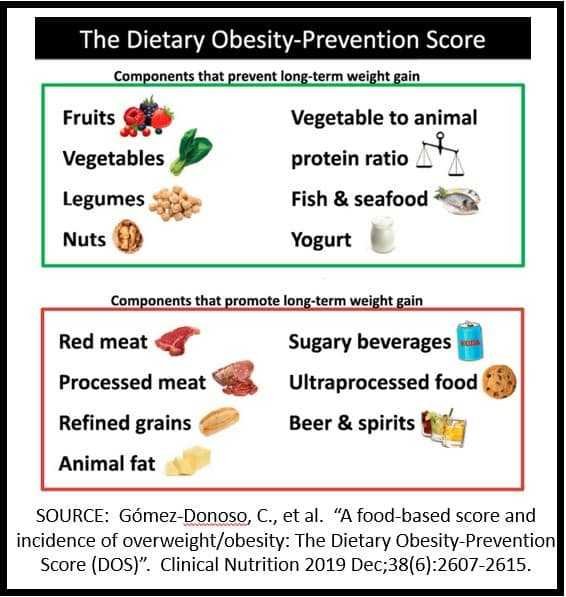
To avoid processed foods that can lead to fat gain, focus on eating whole, natural foods and preparing meals at home. Check labels carefully to avoid hidden sugars and unhealthy fats, and prioritize fresh fruits, vegetables, lean proteins, and whole grains. Being mindful of what you consume and opting for minimally processed options is key to maintaining a healthy weight.
Cutting out processed foods is essential for managing weight and improving overall health. The main strategy involves choosing whole, unrefined foods, reading labels diligently, and cooking more at home. Staying aware of ingredient lists and reducing reliance on packaged snacks can make a significant difference in preventing unwanted fat gain.
Eating healthy starts with awareness and simplicity. Many processed foods contain hidden sugars, unhealthy fats, and additives that encourage fat accumulation and sabotage weight loss efforts. By making conscious choices—favoring fresh produce, lean meats, and whole grains—you can naturally reduce your intake of harmful ingredients. Preparing meals yourself not only ensures control over ingredients but also helps you develop better eating habits. Transitioning away from processed foods may seem challenging at first, but with small, consistent steps, you can effectively avoid triggers that lead to unwanted weight gain and enjoy a healthier lifestyle.

How to Avoid Processed Foods That Trigger Fat Gain
Understanding Processed Foods and Their Impact on Fat Gain
Processed foods are foods that have been altered from their original state through methods like adding preservatives, flavors, and other additives. These foods often contain high levels of sugar, unhealthy fats, and refined carbs. Consuming too many processed foods can lead to increased calorie intake and fat accumulation over time.
Many processed foods are designed to be highly palatable, encouraging overeating. They often lack essential nutrients like fiber, vitamins, and minerals, which are necessary for overall health. Reducing intake of processed foods can help prevent fat gain and improve your health in many ways.
Why Processed Foods Contribute to Fat Gain
Processed foods are typically high in **added sugars** and **refined grains** that spike insulin levels and promote fat storage. They tend to be calorie-dense yet not filling, leading to overeating. The presence of artificial ingredients and preservatives can also interfere with your body’s natural hunger signals.
Furthermore, many processed foods contain **trans fats** and **hydrogenated oils** that increase inflammation and contribute to weight gain. Consuming these regularly can lead to a higher body fat percentage and associated health issues like heart disease and insulin resistance.
Identifying Common Processed Foods That Cause Fat Gain
Knowing what foods to avoid is key to cutting down on processed options. Common culprits include:
- Fast food items like burgers, fries, and fried chicken
- Pre-packaged snack foods like chips, cookies, and candy
- Sugary breakfast cereals and instant oatmeal
- Frozen meals and ready-to-eat processed dinners
- Sweetened beverages such as sodas and energy drinks
- Snack bars and protein bars with added sugars
- Bakery products like muffins, donuts, and pastries
Identifying these foods helps you make more conscious choices to avoid excess calories and unhealthy fats.
How to Recognize Hidden Processed Ingredients
Processed foods often contain ingredients that aren’t obvious at first glance, such as:
- High-fructose corn syrup
- Partially hydrogenated oils
- Artificial sweeteners
- Preservatives and artificial colors
- Flavor enhancers like monosodium glutamate (MSG)
Always read nutrition labels carefully. If a product has a long list of chemical ingredients, it’s best to avoid it to reduce your intake of hidden sugars, unhealthy fats, and artificial substances.
Strategies to Avoid Processed Foods and Reduce Fat Gain
Changing your eating habits takes planning and awareness. Here are some effective strategies:
1. Focus on Whole, Natural Foods
Eating foods in their natural state, such as fresh fruits, vegetables, whole grains, lean meats, and nuts, helps reduce your intake of added sugars and unhealthy fats. Whole foods are nutrient-dense and more filling, which helps control hunger and prevents overeating.
2. Cook at Home More Often
Preparing meals at home allows you to control ingredients and avoid hidden processed ingredients. Use fresh herbs, spices, and simple cooking methods like grilling, steaming, or baking to keep meals healthy and flavorful.
3. Read Food Labels Carefully
Always check labels for added sugars, trans fats, and artificial ingredients. Choose products with minimal or recognizable ingredients and avoid those with long lists of unpronounceable additives.
4. Plan Your Meals and Snacks
Meal planning prevents last-minute reliance on processed convenience foods. Prepare healthy snacks like fresh fruit, nuts, or yogurt to avoid reaching for processed options when hungry.
5. Replace Processed Snacks with Whole Foods
Opt for whole food snacks such as raw vegetables, fresh fruits, or unsalted nuts. These options are naturally low in added sugars and unhealthy fats.
Effective Substitutes for Processed Foods
Switching to healthier alternatives makes the transition easier. Here are some swaps:
- Instead of potato chips, choose air-popped popcorn or baked veggie chips
- Replace sugary breakfast cereals with oatmeal topped with fresh fruit
- Use whole grain bread instead of white bread for sandwiches
- Opt for homemade smoothies over flavored milkshakes or processed drinks
- Choose plain yogurt with fresh fruit instead of flavored, sugary yogurts
These substitutions can satisfy cravings while helping to prevent fat accumulation.
The Role of Hydration in Avoiding Processed Foods
Staying well-hydrated reduces cravings for processed foods, especially sugary snacks. Drinking plenty of water throughout the day supports metabolism and aids digestion. Sometimes, feelings of hunger are actually dehydration signals; drinking water can reduce unnecessary snacking.
Consider herbal teas or infused water with fruits and herbs for variety. Proper hydration is an often-overlooked tool in controlling calorie intake and promoting weight management.
Building a Healthy Shopping List
Creating an organized shopping list focused on whole foods can streamline your grocery trips. Include items like:
- Fresh fruits and vegetables
- Whole grains like oats, brown rice, and quinoa
- Lean proteins such as chicken, fish, and legumes
- Healthy fats like avocado, nuts, and seeds
- Low-fat dairy or dairy alternatives
Stick to your list to avoid impulse purchases of processed foods, reducing their intake naturally.
Maintaining Balance and Flexibility
While avoiding processed foods, remember to allow occasional treats to avoid feelings of deprivation. Moderation is key to maintaining a healthy lifestyle. Focus on creating sustainable habits rather than strict elimination.
Incorporate meal experiences with family or friends to enjoy food socially without overindulgence. This approach helps make healthy eating a lifelong habit.
Understanding the Connection Between Lifestyle and Processed Food Consumption
Stress, fatigue, and busy schedules can lead to cravings for quick, processed foods. Managing stress through exercise, meditation, or hobbies can reduce emotional eating. Adequate sleep also plays a role in regulating appetite hormones, decreasing the urge for unhealthy snacks.
Adopting a balanced lifestyle supports your efforts to avoid foods that trigger fat gain. Regular physical activity complements a healthy diet and enhances overall well-being.
Monitoring Progress and Staying Motivated
Track your food choices and note how avoiding processed foods affects your weight and health. Celebrate small milestones to stay motivated. Remember that making gradual changes is more sustainable than drastic restrictions.
Surround yourself with positive influences, such as supportive friends or online communities focused on healthy living. Staying committed to your goals is vital for long-term success.
Additional Tips for Success
- Stay consistent with your healthy eating habits
- Prepare meals ahead to avoid last-minute processed food choices
- Experiment with new recipes focused on whole foods
- Learn to enjoy natural flavors without added salt or sugar
- Seek support or guidance from nutrition experts if needed
Adopting these habits can help you stay on track and prevent fatigue from restrictive dieting.
By understanding what processed foods are and how they affect your body, you can make smarter food choices. Building a routine that emphasizes whole, minimally processed foods helps control fat gain and improves overall health. Practicing mindful shopping, cooking, and eating habits can lead to a healthier, more energetic lifestyle that lasts.
5 Ways To Identify Ultra-Processed Foods with Chris van Tulleken
Frequently Asked Questions
What ingredients should I avoid to minimize the intake of processed foods that lead to fat gain?
Focus on avoiding ingredients like added sugars, artificial sweeteners, trans fats, and preservatives. These components are common in processed foods and can contribute to increased fat accumulation. Reading labels carefully and choosing whole, natural foods helps you stay clear of these harmful additives.
How can I identify healthier alternatives to processed snack foods?
Look for snacks made with simple ingredients such as nuts, seeds, fresh fruits, or vegetables. Preparing snacks at home allows you to control what goes into them, avoiding preservatives and unhealthy fats often found in packaged options. Opt for whole foods that offer nutritional value without excess additives.
What strategies can help me avoid processed foods when dining out?
Choose dishes that are grilled, baked, or steamed rather than fried or breaded. Ask for dressings and sauces on the side, and request fresh vegetables or salads without creamy dressings. Being mindful of ingredients and requesting modifications can significantly reduce your intake of processed components.
How does meal planning contribute to avoiding processed foods that cause fat gain?
Planning meals in advance ensures you prepare balanced, nutrient-dense dishes using whole ingredients. This reduces the temptation to reach for quick, processed options. Cooking at home regularly helps control ingredients and portion sizes, supporting your goal to prevent excess fat gain.
What tips can help me read and interpret food labels effectively?
Check for added sugars, artificial additives, and high levels of sodium and unhealthy fats. Pay attention to the ingredient list; the shorter and more recognizable it is, the better. Choosing products with minimal ingredients and avoiding those with unfamiliar chemicals helps you reduce processed food intake that can lead to fat gain.
Final Thoughts
To avoid processed foods that trigger fat gain, focus on eating whole, natural foods like fruits, vegetables, lean proteins, and whole grains. Read labels carefully and choose products with minimal ingredients. Preparing meals at home allows better control over what you consume. Staying mindful of your choices helps you maintain a healthier weight and supports your overall well-being.
As an Amazon Associate, We earn from qualifying purchases. When you purchase a product through Amazon links on pulsefitguide.com, we may earn a small commission at no extra cost to you. This helps support the site and keep our content free.
