


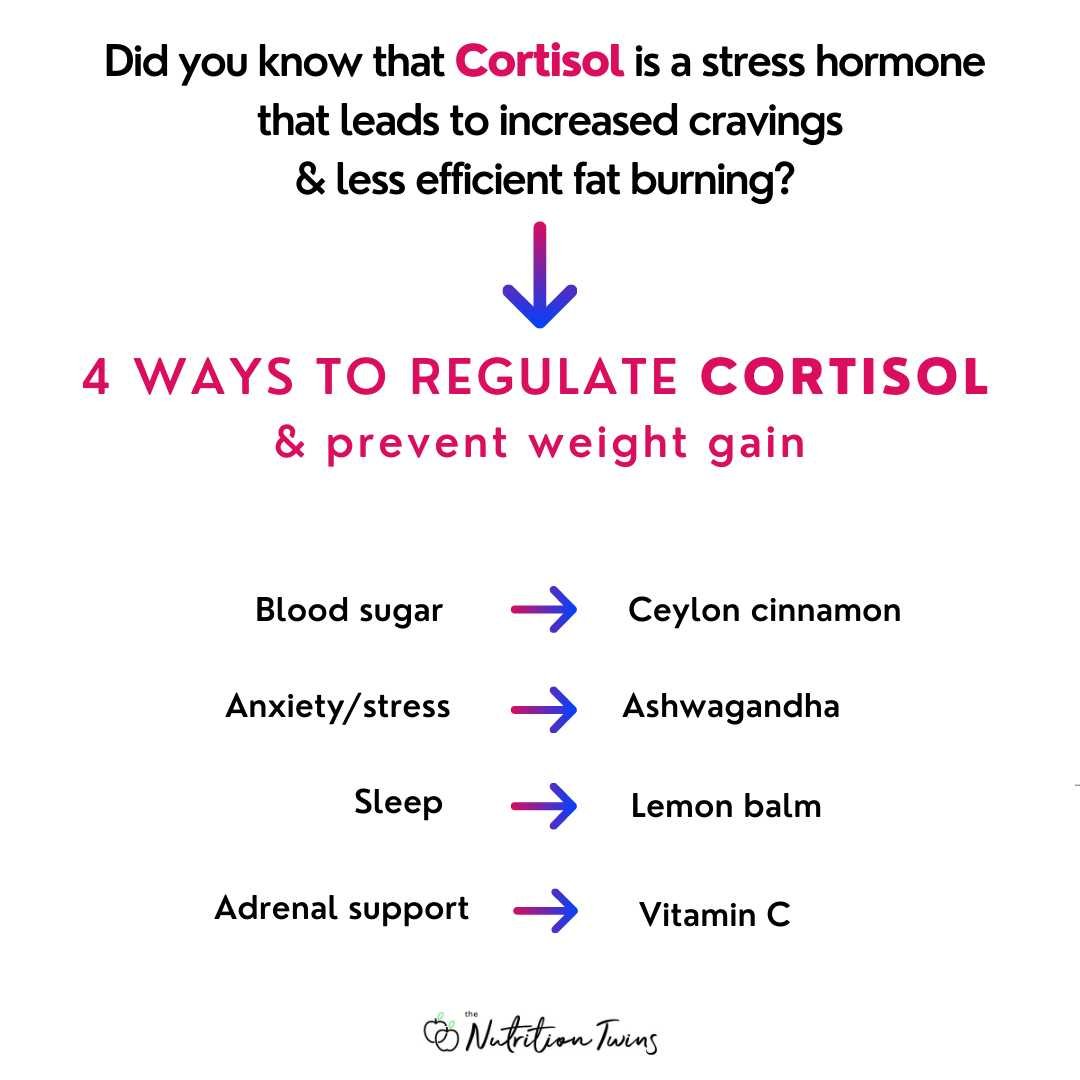
To reduce stress and control fat-storing cortisol, focus on calming activities like meditation, regular exercise, and ensuring adequate sleep. Managing stress effectively can significantly lower cortisol levels, helping you maintain a healthy weight and improve overall well-being.
In short, reducing stress involves adopting relaxation techniques, staying active, and maintaining a balanced lifestyle. By making small, consistent changes, you can better manage cortisol levels and support your body’s natural fat-burning processes.
When life gets busy and stressful, your body produces more cortisol, often leading to increased fat storage, especially around the abdomen. Fortunately, simple lifestyle modifications can help keep cortisol in check. Incorporating stress-relief methods such as deep breathing, yoga, or mindfulness can prevent cortisol from spiraling out of control. Regular physical activity not only boosts your mood but also reduces stress hormones. Additionally, prioritizing quality sleep is crucial because sleep deprivation can elevate cortisol levels and hinder weight management. Making time for hobbies, socializing, or relaxation can create a buffer against daily stress, making it easier to maintain a healthy metabolism. Small consistent steps toward stress reduction can have a lasting positive impact on your weight and overall health.

How to Reduce Stress to Control Fat-Storing Cortisol
Understanding Cortisol and Its Role in Fat Storage
Cortisol is a hormone produced by the adrenal glands. It helps your body respond to stress and regulate your metabolism. When cortisol levels stay high over time, it can lead to increased fat storage, especially around the belly area. This is because cortisol encourages your body to store extra fat as energy reserves.
High stress levels trigger your body to release more cortisol. Chronic stress keeps cortisol elevated, which can make weight management more difficult. To prevent this, it is important to find ways to lower stress and balance hormone levels.
Why Chronic Stress Raises Cortisol and Affects Weight
When you experience stress, your body’s fight-or-flight response kicks in. This releases adrenaline and cortisol to prepare you for action. If stress persists, your body stays in this heightened state. This continuous release of cortisol can cause your body to retain more fat.
Chronic high cortisol levels can also increase appetite and cravings for unhealthy foods. This combination makes it harder to maintain a healthy weight. Managing stress helps keep cortisol levels in check and supports your weight loss goals.
How Stress Impacts Your Body and Fat Storage
Stress causes physical reactions like increased heart rate and muscle tension. These responses are helpful in short bursts but harmful when ongoing. High cortisol from stress can distort how your body uses fat and sugar.
Increased cortisol leads to more fat being stored in the abdominal area. It also can cause muscle loss, affecting your overall metabolism. Reducing stress can help prevent these negative effects and promote healthier body composition.
Practical Techniques to Reduce Stress in Daily Life
Incorporating simple stress-reduction techniques can make a big difference. Regularly practicing deep breathing exercises helps calm your nervous system. Taking short breaks during busy days can prevent feeling overwhelmed.
Engaging in hobbies like gardening, reading, or listening to music offers mental relief. Consistently making time for these activities creates a calm mind, which reduces cortisol production. Remember, small daily efforts add up over time.
Physical Activity and Its Role in Lowering Cortisol
Exercise is a powerful tool to manage stress and regulate cortisol. Moderate activities like walking, yoga, or swimming help release stress hormones safely. Regular workouts also boost endorphin levels, improving your mood.
Avoid overtraining, which can actually increase cortisol temporarily. Aim for balanced exercise routines that fit your fitness level. Incorporating movement into your day encourages relaxation and reduces the impact of stress hormones.
Nutrition Strategies for Stress and Cortisol Control
Eating a balanced diet supports your body’s ability to handle stress. Focus on whole foods rich in fiber, healthy fats, and lean proteins. Limit processed foods, added sugars, and caffeine, which can spike cortisol.
Including foods like berries, nuts, leafy greens, and avocados provides antioxidants and essential nutrients. Staying well-hydrated helps your body manage hormonal responses. Proper nutrition is key to maintaining stable cortisol levels.
Specific Foods That Help Lower Cortisol
- Dark chocolate (in moderation) – rich in antioxidants
- Fermented foods like yogurt and kimchi – support gut health
- Herbal teas such as chamomile and green tea – promote relaxation
- Vitamin C-rich foods like oranges and peppers – reduce cortisol levels
Prioritizing Sleep for Cortisol Balance
Getting enough quality sleep is essential for hormone regulation. Aim for at least 7 to 9 hours each night to support cortisol control. Poor sleep can increase cortisol and lead to weight gain.
Establishing a relaxing bedtime routine helps improve sleep quality. Avoid screens and caffeine before bed, and create a comfortable sleep environment. Consistent sleep schedules reinforce your body’s natural rhythms.
Mindfulness and Meditation as Stress-Relief Tools
Practicing mindfulness involves staying present and aware of your thoughts and feelings. Meditation helps calm your mind and reduce stress hormones. Even a few minutes daily can lower cortisol levels.
Deep breathing exercises, guided meditation apps, or yoga enhance relaxation. Regular mindfulness practice supports mental clarity and decreases anxiety. This mental calmness translates into lower cortisol levels.
Building Healthy Relationships and Support Systems
Strong social connections provide emotional support during stressful times. Sharing your feelings with trusted friends or family can lighten mental burdens. Supportive relationships improve your resilience to stress.
Joining community groups or participating in group activities fosters a sense of belonging. Feeling connected helps reduce feelings of isolation, which can elevate cortisol. Remember, you don’t have to face stress alone.
Time Management and Setting Boundaries
Effective time management reduces feelings of being overwhelmed. Prioritize tasks and break large projects into manageable steps. Learning to say no when your plate is full protects your mental health.
Creating boundaries between work and personal life helps prevent burnout. Allocate time for relaxation and self-care daily. Staying organized minimizes stress triggers and keeps cortisol levels balanced.
Using Relaxation Techniques and Alternative Therapies
Methods like aromatherapy with soothing scents such as lavender promote relaxation. Massage therapy helps release muscle tension and reduce stress hormones. Listening to calming music can also uplift your mood.
Practicing progressive muscle relaxation or visualization exercises is beneficial. These techniques foster a relaxed state, decreasing cortisol production. Explore different options to find what works best for your needs.
The Importance of Consistency and Self-Care
Making stress reduction a regular part of your routine ensures long-term benefits. Small daily practices, like mindful breathing or stretching, support hormonal balance. Consistency helps your body adapt and function optimally.
Don’t neglect self-care activities that bring you joy and peace. Regularly scheduled downtime enhances your mental health. Remember, caring for yourself is necessary to keep cortisol levels in a healthy range.
Additional Tips for Managing Stress and Cortisol
- Limit alcohol and nicotine consumption, which can increase stress hormones
- Practice gratitude journaling to shift focus from stressors
- Engage in creative activities like painting or writing
- Stay connected with nature through outdoor walks or gardening
Taking steps to lower stress not only helps control cortisol but also improves your overall well-being. Combining movement, nutritious eating, restful sleep, and mental relaxation creates a balanced approach. Remember, managing stress is a continuous journey that benefits your health and weight management efforts.
5 Foods That Naturally Decrease Cortisol, the Stress Hormone
Frequently Asked Questions
What are effective ways to manage stress on a daily basis?
Implementing regular techniques such as deep breathing exercises, practicing mindfulness meditation, and engaging in physical activities like walking or yoga can help manage daily stress. Establishing a consistent routine and setting aside time for relaxation also ensure your stress levels stay in check, preventing cortisol from rising excessively.
How can improving sleep quality help in controlling cortisol levels?
Getting sufficient and restful sleep allows your body to regulate cortisol naturally. When you sleep well, your adrenal glands produce less stress hormone, which reduces fat-storing cortisol. Creating a relaxing bedtime routine, avoiding screens before bed, and maintaining a consistent sleep schedule promote better sleep and overall stress reduction.
Which dietary choices can support lower cortisol production?
Consuming a balanced diet rich in whole foods, including fruits, vegetables, lean proteins, and healthy fats, helps regulate blood sugar levels and reduces stress-induced cortisol spikes. Limiting caffeine and processed foods also minimizes cortisol production linked to blood sugar fluctuations and inflammation.
Can social interactions help in reducing stress and controlling cortisol?
Engaging in meaningful social interactions can boost your mood and provide emotional support, which helps lower stress levels. Spending quality time with friends, family, or participating in community activities fosters a sense of connection and reduces feelings of anxiety that trigger cortisol release.
What lifestyle changes can be made to minimize stress-induced cortisol release?
Incorporating regular physical activity, practicing relaxation techniques such as meditation or deep breathing, and reducing workload or stressful commitments can lower cortisol levels. Prioritizing self-care, taking breaks from work, and maintaining a healthy work-life balance further contribute to stress management and better hormonal health.
Final Thoughts
How to reduce stress to control fat-storing cortisol is crucial for overall health. Incorporate relaxation techniques like meditation or deep breathing to lower stress levels. Regular exercise also helps manage stress and reduces cortisol production.
Getting enough sleep is essential, as poor sleep increases cortisol. Prioritize restful sleep to support hormone balance. Additionally, maintain a balanced diet with nutrient-rich foods to stabilize your energy and mood.
In conclusion, managing stress effectively is key to controlling fat-storing cortisol. Focus on stress reduction strategies to improve your health and well-being.
As an Amazon Associate, We earn from qualifying purchases. When you purchase a product through Amazon links on pulsefitguide.com, we may earn a small commission at no extra cost to you. This helps support the site and keep our content free.
