


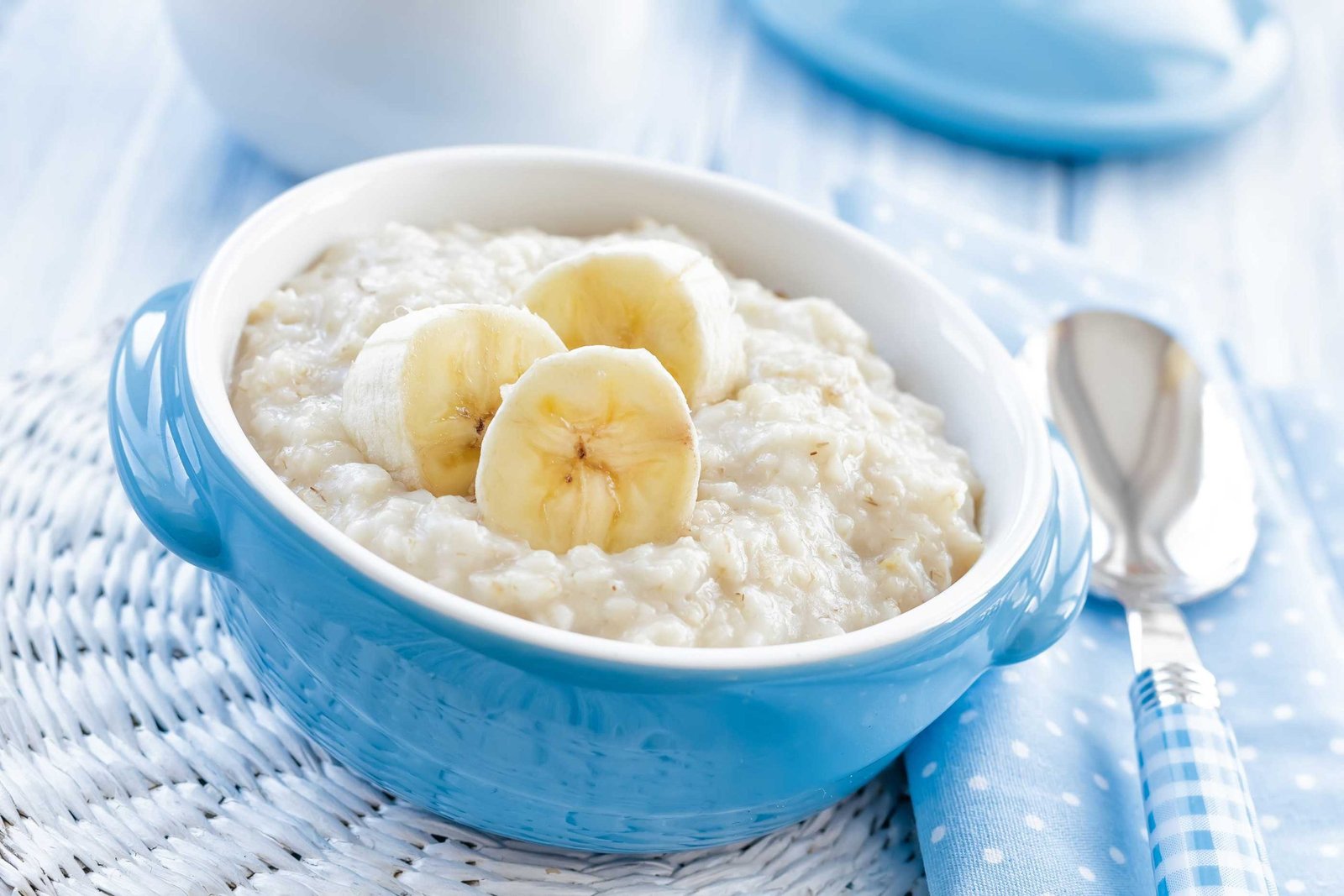
To boost your fiber intake for effective fat loss, try incorporating a variety of high-fiber foods into your daily meals and snacks. Start your day with oats or whole-grain bread, snack on fruits like berries or apples, and add legumes or vegetables to your dishes. Drinking plenty of water alongside fiber-rich foods helps improve digestion and keeps you feeling full longer. Consistently increasing your fiber intake can help control hunger, stabilize blood sugar levels, and support your weight loss journey.
Eating more fiber is a simple yet powerful way to support fat loss, as it helps you feel full and satisfied, reducing overeating. Focus on adding plant-based foods like fruits, vegetables, whole grains, and legumes to every meal, and stay consistent to see lasting results.
Fiber is often overlooked, but it’s a crucial part of any fat loss plan. When you eat enough fiber, you naturally curb cravings, improve digestion, and maintain better blood sugar levels. You don’t need to overhaul your diet overnight—small, consistent changes can make a big difference. Incorporate fiber-rich foods into your meals, drink plenty of water, and watch how your body responds positively to these simple adjustments. Remember, the key is consistency, and soon, your body will thank you for the extra support in reaching your weight loss goals.

How to eat more fiber to support fat loss
Understanding the Role of Fiber in Fat Loss
Fiber plays a crucial part in weight management and fat reduction. It helps you feel full longer, which can prevent overeating. Additionally, fiber supports healthy digestion and stabilizes blood sugar levels, making it easier to stay on track with your weight goals.
- Satiety: Fiber adds bulk to your meals, making you feel satisfied with less food.
- Appetite control: High-fiber foods slow down digestion, reducing hunger pangs.
- Blood sugar regulation: Fiber helps prevent blood sugar spikes, decreasing cravings.
Types of Fiber and Their Benefits
There are two primary types of fiber: soluble and insoluble. Both contribute to fat loss but work in different ways.
Soluble Fiber
This type dissolves in water to form a gel-like substance. It helps lower cholesterol and stabilizes blood sugar.
Insoluble Fiber
This fiber adds bulk to your stool, promoting regular bowel movements and preventing constipation.
Top Foods Rich in Fiber
Including a variety of high-fiber foods in your diet is the easiest way to increase fiber intake.
| Food Category | Examples | Fiber Content (per serving) |
|---|---|---|
| Fruits | Apples, berries, oranges | 3-7 grams |
| Vegetables | Broccoli, carrots, Brussels sprouts | 2-5 grams |
| Whole Grains | Oats, brown rice, whole wheat bread | 3-6 grams |
| Legumes | Lentils, chickpeas, black beans | 6-8 grams |
| Nuts and Seeds | Chia seeds, flaxseeds, almonds | 2-9 grams |
Strategies for Increasing Fiber Intake
Making small changes can significantly boost your fiber consumption without feeling overwhelmed.
Gradually Add Fiber to Meals
Start by adding a handful of berries or a tablespoon of chia seeds to your breakfast. Increase fiber slowly to prevent digestive discomfort.
Replace Refined Foods with Whole Grains
Swap white bread or white rice for their whole-grain counterparts. Use whole wheat pasta instead of regular pasta.
Include Legumes in Your Meals
Add lentils or beans to soups, salads, and stews. They are an easy way to boost fiber and protein.
Snack on Nuts and Seeds
Choose snacks like almonds, walnuts, or sunflower seeds. A small handful can add healthy fiber and fats.
Incorporate Fiber-Rich Vegetables
Aim to fill half your plate with vegetables. Raw or cooked, they increase fiber intake effortlessly.
Tips for Optimizing Fiber Intake for Fat Loss
While increasing fiber, keep these tips in mind for the best results.
Stay Hydrated
Fiber works best when paired with plenty of water. Drink at least 8 glasses of water daily to help fiber do its job.
Maintain Balance
Don’t focus solely on fiber. Combine it with lean proteins, healthy fats, and regular physical activity for optimal fat loss.
Watch Your Portion Sizes
Eating large portions of high-fiber foods can cause gas or bloating. Listen to your body and eat in moderation.
Avoid Processed High-Fiber Foods
Some packaged foods claim to be high in fiber but contain added sugars and preservatives. Choose whole, unprocessed foods whenever possible.
Sample Meal Plan to Boost Fiber for Fat Loss
Here’s a simple plan to incorporate more fiber into your day:
- Breakfast: Oatmeal topped with berries and chia seeds
- Lunch: Quinoa salad with chickpeas, cucumbers, and tomatoes
- Snack: Apple with almond butter
- Dinner: Grilled chicken with roasted broccoli and sweet potatoes
- Snack: Handful of mixed nuts and seeds
Understanding How Fiber Supports Fat Loss Beyond Satiety
Fiber also helps regulate cholesterol levels and improves gut health, both of which can influence weight loss. A healthy gut ensures better nutrient absorption and reduces inflammation, supporting overall health.
Fiber and Gut Microbiota
High-fiber foods act as prebiotics, feeding beneficial gut bacteria. A balanced microbiome can influence weight and reduce fat storage.
Fiber and Cravings
Stable blood sugar levels caused by fiber reduce sugar cravings and snacking between meals. This helps control calorie intake more effectively.
Potential Challenges and How to Overcome Them
Increasing fiber intake might cause some initial digestive discomfort. To avoid this, add fiber gradually and drink plenty of water.
Dealing with Bloating and Gas
Start with small portions of high-fiber foods and increase slowly. If discomfort persists, consult a healthcare professional.
Choosing the Right Fiber Supplements
Supplements can help, but whole foods are always better. If needed, opt for natural fiber powders and follow the dosage instructions carefully.
Incorporating more fiber into your diet is a simple step towards supporting fat loss. It keeps you full longer, stabilizes blood sugar, and improves digestion. Focus on whole, plant-based foods and increase your intake gradually for sustainable results. Remember, consistency and balance are key to making fiber work for your weight management journey.
Doctor Explains EASY Way To Get More Fibre!
Frequently Asked Questions
What are some easy ways to incorporate more fiber into my daily meals?
Adding fruits, vegetables, whole grains, nuts, and seeds to your meals can significantly increase your fiber intake. Start your day with a high-fiber cereal or oatmeal topped with berries and chia seeds. Include vegetables like broccoli or carrots with lunch and opt for whole-grain bread or brown rice instead of refined options. Snack on nuts, seeds, or fresh fruit to further boost your fiber consumption throughout the day.
How can I plan my meals to ensure I get enough fiber consistently?
Create a weekly meal plan that emphasizes high-fiber foods. Incorporate a variety of fiber-rich options in each meal, such as beans in salads, whole-wheat pasta, and roasted vegetables. Preparing meals in advance helps avoid last-minute choices that may lack fiber. Keep high-fiber snacks accessible, so you can easily include them in your daily routine without thinking twice.
Are there specific foods I should focus on to maximize fiber intake without overeating calories?
Focus on non-starchy vegetables, fruits, and legumes, which provide high fiber levels with relatively few calories. Foods like spinach, berries, lentils, and broccoli offer substantial fiber and nutrients without adding many calories. Whole grains like oats and barley are also excellent options. Balance these foods within your overall diet to support fat loss while meeting your fiber needs.
What tips can help me increase fiber gradually to avoid digestive discomfort?
Gradually add fiber-rich foods to your diet over several weeks. Start with small portions to allow your digestive system to adjust. Drink plenty of water alongside increased fiber intake to prevent bloating and constipation. Monitor how your body responds and adjust your intake accordingly, aiming for a steady, sustainable increase in fiber consumption.
How does fiber help support fat loss efforts specifically?
Fiber helps control hunger by promoting feelings of fullness and satiety, which can reduce overall calorie intake. It also slows digestion, stabilizing blood sugar levels and preventing cravings. Additionally, fiber contributes to better gut health, which plays a role in overall metabolic function and weight management. Incorporating sufficient fiber into your diet supports your fat loss goals effectively.
Final Thoughts
To eat more fiber to support fat loss, focus on adding fruits, vegetables, and whole grains to your meals. Incorporate high-fiber options like beans, lentils, and oats into your diet daily. Additionally, snack on nuts, seeds, or popcorn for extra fiber and satiety. Consuming adequate fiber helps control appetite, improves digestion, and promotes fat loss effectively.
As an Amazon Associate, We earn from qualifying purchases. When you purchase a product through Amazon links on pulsefitguide.com, we may earn a small commission at no extra cost to you. This helps support the site and keep our content free.
