


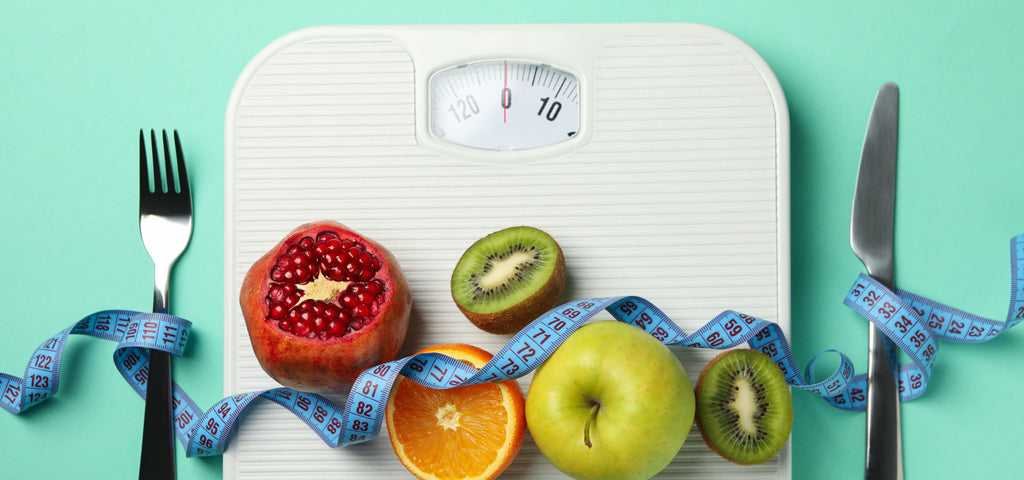
Tracking your macros effectively is the key to maximizing fat burning and achieving your fitness goals faster. By carefully monitoring the right balance of proteins, carbs, and fats, you can optimize your metabolism and ensure your body burns fat more efficiently. Start by calculating your daily calorie needs, then break those calories down into specific macro targets based on your activity level and goals. Use apps or food journals to stay on track, adjusting as needed to keep your progress steady. Consistency and awareness are essential—knowing exactly what you’re eating helps you make smarter choices and avoid hidden calories. With a little planning and discipline, you’ll soon see your body transforming more effectively than ever before.
To track your macros for optimized fat burning, focus on calculating your daily needs, using tools to monitor intake, and adjusting your ratios based on your progress. This targeted approach helps you burn fat more efficiently while preserving muscle. Consistent tracking and smart food choices are essential components of success.
Getting your macros right can be a game-changer for fat loss. When you know exactly how much protein, carbs, and fats your body needs, you can fine-tune your diet to promote fat burning without sacrificing energy or muscle. This process involves understanding your body’s requirements, using tracking tools, and making adjustments as you go. By paying close attention to your macros, you create a personalized plan that keeps you on track and accelerates your results. It’s about working smarter, not harder, and turning your nutritional intake into a powerful tool for fat loss.

How to track your macros for optimized fat burning
Understanding macronutrients and their role in fat loss
Tracking your macros starts with understanding the three main macronutrients: carbohydrates, proteins, and fats. Each plays a crucial role in energy production, muscle repair, and hormone regulation. By balancing these, you can create the perfect environment for fat burning. Proper macro intake helps prevent hunger, maintains energy levels, and boosts metabolism.
Calculating your daily calorie needs
Before diving into macro tracking, you must determine how many calories your body needs each day. Use an online calorie calculator that considers age, weight, height, activity level, and goals. Once you know your maintenance calories, you can adjust intake for fat loss, usually reducing it by about 15-20%. This creates a calorie deficit that encourages your body to burn fat for energy.
Setting your macro ratios for fat burning
Your macro ratios depend on your goals and body type, but a common starting point for fat loss is a split of 40% carbohydrates, 30% protein, and 30% fats. For example:
- Carbohydrates: 40% of total calories
- Proteins: 30% of total calories
- Fats: 30% of total calories
Adjustments can be made based on how your body responds. Some people find lowering carbs and increasing proteins helps improve fat loss. Remember, consistency is key in sticking to your macro plan.
Breaking down macros into grams
To track precisely, convert your calorie goals into grams for each macro. Use these conversion factors:
- Carbohydrates: 4 calories per gram
- Proteins: 4 calories per gram
- Fats: 9 calories per gram
For example, if your daily calorie target is 1500 calories with a 40/30/30 split:
- Carbohydrates: 1500 x 0.40 = 600 calories ÷ 4 = 150 grams
- Proteins: 1500 x 0.30 = 450 calories ÷ 4 = 112.5 grams
- Fats: 1500 x 0.30 = 450 calories ÷ 9 = 50 grams
This breakdown helps you plan your meals more accurately.
Choosing the right foods to meet your macro goals
Focus on nutrient-dense foods that help you hit your macro targets without excess calories. Incorporate lean proteins like chicken, fish, and beans; complex carbs like oats, sweet potatoes, and vegetables; and healthy fats such as avocados, nuts, and olive oil. Combining whole foods ensures you gain fiber, vitamins, and minerals essential for overall health.
Tracking macros with apps and tools
Technology makes macro tracking simple and efficient. Use popular apps like MyFitnessPal, Lose It!, or Cronometer to log your food intake. These apps have extensive food databases, barcode scanners, and macro calculators, removing guesswork. Set your macro goals within the app, and it will automatically track your daily intake.
Reading nutrition labels effectively
Learn to read nutrition labels carefully to understand serving sizes and macro content. Pay special attention to portion sizes, especially with packaged foods. Use a kitchen scale for precise measurement, which helps avoid accidental over- or under-estimation of macros.
Meal planning for macro balance
Plan your meals in advance to ensure you meet your macro targets each day. Prepare recipes that align with your ratios and keep healthy snacks handy. Consistent meal planning reduces the temptation to splurge on unhealthy options and helps maintain a steady fat-burning pace.
Adjusting macros based on progress
Monitor your weight, body composition, and energy levels regularly. If progress stalls, consider adjusting your macro ratios or calorie intake. For example, increasing protein can help preserve muscle during fat loss. Small tweaks can make a big difference in reaching your goals faster.
The importance of consistency and flexibility
While hitting your macros every day is ideal, some flexibility prevents frustration. If you go over or under one day, adjust the next day’s intake. Consistency over weeks leads to sustainable fat burning. Remember, habits matter more than perfect adherence every single day.
Common mistakes to avoid in macro tracking
Avoid miscalculations like underestimating portion sizes or choosing processed foods with hidden macros. Relying solely on guessing without measuring leads to inaccurate tracking. Also, don’t neglect fiber and micronutrients, as they support overall fat loss and health.
Incorporating macro tracking into your lifestyle
Make macro tracking a habit by integrating it into your daily routine. Keep your food journal handy and plan meals around your macro needs. Over time, you’ll develop an intuitive sense of portion sizes and macro distribution, making it easier to stay on track.
Supplementing macro tracking with other fat-burning strategies
Combine macro tracking with strength training, cardio, and adequate sleep for optimal results. Consistent physical activity amplifies the effects of a well-balanced diet. Stay hydrated and manage stress levels to support your metabolism and fat-burning process.
Tracking progress beyond macros
Use additional methods like body measurements, progress photos, and energy levels to gauge success. Relying solely on weight can be misleading, especially if you’re gaining muscle. A holistic approach provides a clearer picture of your fat-burning journey.
Final tips for successful macro tracking
Stay patient and persistent, as fat loss takes time. Keep experimenting with food choices within your macro framework to find what works best. Celebrate small victories along the way to stay motivated and committed to your goals.
Tracking your macros for fat burning requires dedication, planning, and consistency. By understanding your needs, using the right tools, and making mindful food choices, you set yourself up for success. Embrace this approach, and you’ll watch your body transform while feeling energized and healthier.
HOW TO COUNT MACROS (how to figure out YOUR own macros)
Frequently Asked Questions
What tools can help me accurately track my macro intake?
Using mobile apps like MyFitnessPal, Chronometer, or Lose It! can help you log your food intake precisely. These apps often have extensive food databases and barcode scanners, making it easier to record your meals accurately. Keeping a food diary or using a digital spreadsheet can also assist in monitoring your macros consistently.
How should I adjust my macros during different phases of fat loss?
Adjust your macro ratios based on your progress and activity levels. During initial phases, focus on maintaining a moderate protein intake to preserve muscle. As your body adapts, you might reduce carbohydrate intake slightly or tweak fat levels to ensure consistent fat burning. Regularly reviewing your progress allows for timely modifications to your macro plan.
What are some common mistakes to avoid when tracking macros?
Avoid inaccurately measuring portions or relying solely on estimated servings. It’s important to weigh your food with a scale for precision. Also, don’t forget to account for beverages and condiments, as they can add to your macro intake. Ignoring these details can lead to over or underestimating your macros, hindering your fat loss efforts.
How can I stay consistent with my macro tracking over time?
Plan your meals ahead of time to ensure your macros stay balanced throughout the day. Incorporate variety and flexibility to prevent boredom, making it easier to stick with your plan. Regularly review and adjust your intake based on your goals and progress, and keep a consistent routine to develop good tracking habits.
What strategies can I use to meet my macro goals on busy days?
Prepare meals and snacks in advance to avoid missed targets when you’re pressed for time. Use portable containers and simple recipes that are easy to assemble. Keeping a macro-focused snack stash can also help you stay on track during busy periods without compromising your fat-burning objectives.
Final Thoughts
Tracking your macros for optimized fat burning ensures you stay on target with your goals. Use apps or food journals to monitor your daily intake and stay consistent. Adjust your ratios based on progress and how your body responds.
Prioritize balanced meals with adequate protein, carbs, and fats to enhance fat loss and preserve muscle. Regularly reviewing your data helps you make informed changes that support your fitness journey.
In conclusion, understanding how to track your macros for optimized fat burning helps you stay focused and achieve results more efficiently. Stay diligent and adapt your plan as needed for continuous progress.
As an Amazon Associate, We earn from qualifying purchases. When you purchase a product through Amazon links on pulsefitguide.com, we may earn a small commission at no extra cost to you. This helps support the site and keep our content free.
