


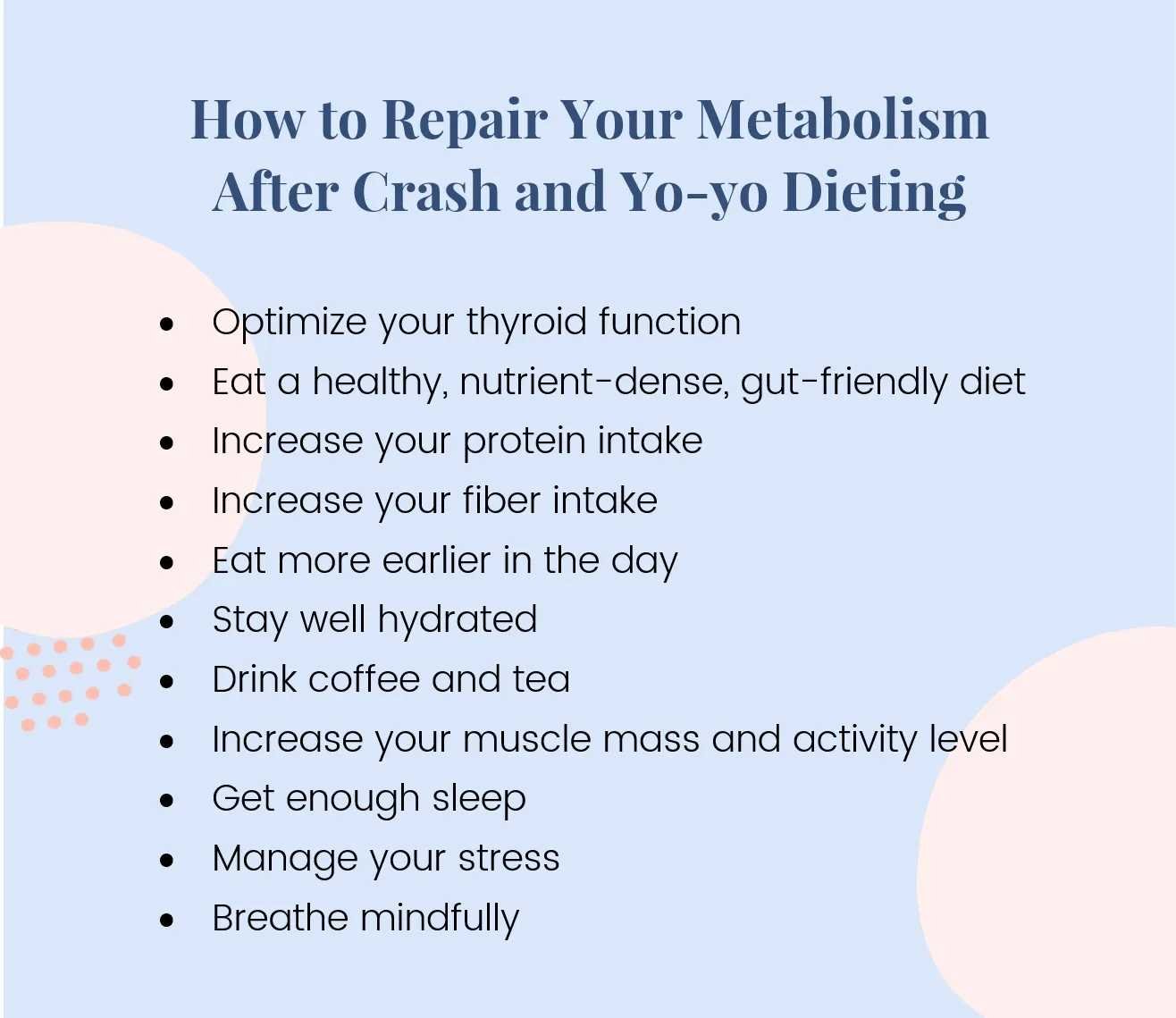
To steer clear of crash diets that hinder your fat loss journey, focus on sustainable eating habits and balanced nutrition, rather than quick fixes. Consistency and patience are key, along with avoiding drastic calorie restrictions that can backfire. Instead, opt for gradual changes that your body can adapt to for long-term results.
A quick answer: the best way to prevent crash diets from slowing your fat loss is to prioritize balanced meals, moderate calorie deficits, and consistent exercise over extreme dieting. These methods help your body stay energized and maintain muscle, ensuring steady progress without setbacks.
Jumping into drastic diets might seem tempting for rapid results, but they often do more harm than good. Crash diets can cause your metabolism to slow down, increase hunger, and lead to muscle loss—all factors that make sustaining fat loss difficult over time. Adopting a realistic, balanced approach to eating and exercise helps your body adapt healthily, making your weight loss efforts more effective and sustainable in the long run. It’s all about creating habits that you can maintain rather than quick fixes that leave you feeling deprived and frustrated.

How to Avoid Crash Diets That Slow Down Fat Loss
Understanding Why Crash Diets Fail
Crash diets often promise quick results but tend to slow down fat loss over time. When you drastically cut calories, your body perceives it as a threat to survival. As a result, your metabolism drops to conserve energy, making it harder to lose weight. This slowdown can lead to frustrating plateaus and even weight regain once you return to normal eating.
The Dangers of Severe Calorie Restriction
Severely restricting calories can cause muscle loss instead of fat loss, leading to a weaker metabolism. It can also cause fatigue, irritability, and nutrient deficiencies. These diets often leave you feeling deprived, making it difficult to stick with healthy habits long-term. Over time, the body adapts by reducing the number of calories it burns at rest, which hampers ongoing fat loss.
Why Sustainable Eating Matters
Healthy, sustainable eating focuses on creating a balanced diet that you can maintain over time. This approach helps avoid the metabolic slowdown associated with crash dieting. It also encourages developing good eating habits that support long-term weight management while still enjoying your favorite foods in moderation.
How to Recognize a Crash Diet
A crash diet typically involves extreme restrictions, such as eliminating entire food groups or drastically reducing daily calorie intake. It may claim rapid weight loss that is difficult to sustain. Warning signs include feeling constantly hungry, lacking energy, and experiencing mood swings. Recognizing these signs helps you steer clear of dangerous dieting practices.
The Role of Balanced Nutrition
A balanced diet includes all essential nutrients your body needs to function well. Emphasizing whole grains, lean proteins, healthy fats, fruits, and vegetables supports steady fat loss. Proper nutrition fuels your workouts and keeps your metabolism running smoothly.
Implementing a Gradual Calorie Reduction
Instead of drastic cuts, reduce your daily calories slowly. A typical approach involves decreasing intake by 250 to 500 calories per day. This gradual change allows your body to adapt without triggering a slowdown in metabolism. It also makes it easier to stick to your new eating habits consistently.
Prioritizing Protein Intake
Including enough protein in your diet helps preserve muscle mass during weight loss. Muscle tissue burns more calories at rest than fat tissue. Aim for lean sources like chicken, fish, beans, and dairy to support fat loss without losing muscle.
Incorporating Regular Physical Activity
Exercise is crucial for avoiding fat loss setbacks. Combining cardio with strength training boosts calorie burn and maintains muscle mass. Regular activity helps keep your metabolism elevated and encourages fat burning.
Understanding the Importance of Rest and Recovery
Getting sufficient sleep and managing stress levels are vital. Sleep deprivation can increase hunger hormones and lead to overeating. Managing stress helps prevent emotional eating and supports hormonal balance that favors fat loss.
Eating Mindfully and Avoiding Over-Restriction
Mindful eating involves paying attention to hunger cues and savoring each bite. It helps prevent overeating and reduces the urge to indulge in unhealthy snacks. This approach promotes a positive relationship with food and discourages crash dieting behaviors.
Setting Realistic Goals
Set practical, achievable targets based on your body’s natural pace. Unrealistic goals, like rapid weight loss, often lead to frustration and diet failure. Focus on making small, consistent changes that you can maintain over time.
The Power of Hydration
Drinking enough water supports metabolism and helps control hunger. Sometimes, thirst is mistaken for hunger, leading to unnecessary snacking. Aim for at least 8 glasses of water daily, increasing intake during exercise or hot weather.
Monitoring Your Progress Without Obsession
Track your progress using multiple methods such as measurements, photos, and how your clothes fit. Avoid relying solely on the scale, which can fluctuate due to water retention or muscle gain. Celebrate small victories to stay motivated.
The Role of Healthy Fats
Incorporate healthy fats like avocados, nuts, and olive oil into your diet. These fats support hormone production and satiety, helping you feel full longer. Avoid trans fats and excessive saturated fats that can contribute to health issues.
Creating a Support System
Engage friends, family, or join a community with similar health goals. Support networks provide encouragement and accountability. Sharing your journey helps you stay committed and motivated over the long term.
Avoiding the Temptation of Fad Diets
Fad diets often promise quick fixes but rarely deliver lasting results. Be skeptical of plans that eliminate entire food groups or promise rapid weight loss. Focus instead on evidence-based methods that promote steady, healthy fat loss.
Choosing a sustainable approach to fat loss involves understanding how crash diets halt progress and harm your health. By adopting gradual changes, focusing on balanced nutrition, staying active, and practicing mindfulness, you can prevent your metabolism from slowing down. Remember, consistent effort and patience lead to lasting results and better overall well-being.
Refeeds & Diet Breaks: The Most Misunderstood Fat Loss Tools
Frequently Asked Questions
What are some signs that a diet might be too restrictive and could harm fat loss progress?
When a diet eliminates entire food groups, drastically limits calorie intake, or causes constant hunger and fatigue, it signals too much restriction. Such diets often lead to slowing metabolism and decreased energy levels, which can hamper fat loss efforts. Pay attention if you feel irritable, experience frequent cravings, or notice that weight loss stalls despite strict adherence. These are red flags that the diet may be doing more harm than good.
How can setting realistic goals help prevent the use of crash diets?
Setting achievable, gradual targets encourages sustainable habits and reduces the temptation to resort to extreme measures. When you focus on consistent progress, your body adapts better, maintaining healthy metabolism. Realistic goals also help you avoid frustration and disillusionment, making it easier to stay committed and prevent the need for quick fixes that often backfire in the long run.
Why is it important to include a variety of foods in your diet during weight loss?
Incorporating diverse foods ensures you obtain all essential nutrients, supporting metabolism and overall health. A balanced diet helps prevent deficiencies that could slow down fat loss or cause fatigue. Additionally, variety makes meals more enjoyable, reducing feelings of deprivation that can lead to binge eating or abandoning your plan altogether.
How does focusing on balanced meals contribute to consistent fat loss?
Balanced meals that include good sources of protein, healthy fats, and complex carbohydrates stabilize blood sugar levels and sustain energy throughout the day. This approach minimizes overeating and cravings, helping maintain steady progress. Consistent, nutritious eating habits prevent the disruptive effects of crash dieting and support long-term fat loss.
What role does physical activity play in avoiding the pitfalls of crash dieting?
Regular exercise complements healthy eating by boosting metabolism, preserving muscle mass, and improving overall body composition. It also reinforces positive habits and increases your confidence. Combining consistent activity with a balanced diet avoids the metabolic slowdown often associated with crash diets and promotes sustainable fat loss over time.
Final Thoughts
Avoid crash diets that slow down fat loss by focusing on balanced eating and sustainable habits. Rapid weight loss often triggers muscle loss and lowers metabolism, making it harder to shed fat long-term. Instead, incorporate gradual changes that promote consistency and healthy choices. Prioritize nutrient-dense foods and regular physical activity to support your goals. Staying committed to a steady routine helps maintain progress and prevents setbacks. Remember, sustainable habits lead to lasting results, and understanding how to avoid crash diets that slow down fat loss is key to achieving your desired body composition.
As an Amazon Associate, We earn from qualifying purchases. When you purchase a product through Amazon links on pulsefitguide.com, we may earn a small commission at no extra cost to you. This helps support the site and keep our content free.
