


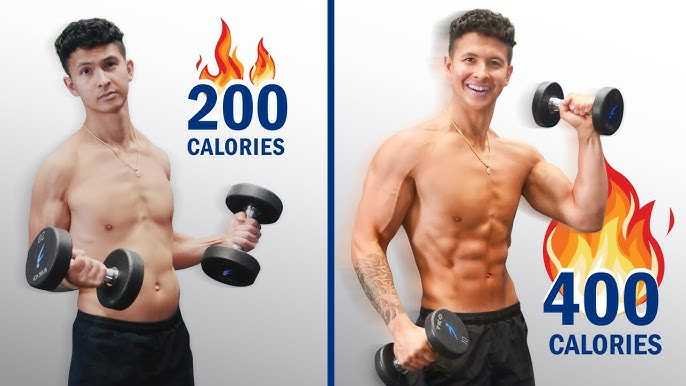
To burn fat even while resting, incorporate strength training into your routine, focusing on compound movements and lifting heavier weights with proper form. This approach boosts your muscle mass, which in turn increases your resting metabolic rate, helping you burn more calories around the clock. Keep challenging your muscles and maintain consistency for best results.
Strength training is a powerful tool to help you shed fat even when you’re not working out. By building muscle, you naturally elevate your body’s calorie-burning capabilities at rest, making it easier to lose weight and tone your body over time. The key is to stay dedicated to a well-structured program that combines heavy lifts and proper recovery.
Getting started with strength training for fat loss is simpler than you think. When you focus on lifting weights that push your muscles to their limit, you create a metabolic ripple effect that keeps your fat-burning furnace running long after your workout ends. The secret is consistency and progressively challenging your muscles to stay ahead of plateaus and keep your body adapting for maximum fat burn.

How to use strength training to burn fat even at rest
Understanding the link between strength training and fat burning
Strength training is more than just building muscles—it can help you burn fat even when you’re not working out. When you lift weights or do resistance exercises, your body uses energy to repair and grow muscles. This process increases your overall calorie burn, which can lead to fat loss over time.
Muscles are active tissues that require calories to maintain. The more muscle you have, the higher your resting metabolic rate becomes. This means you burn more calories simply by being alive, even when you’re doing nothing.
Why strength training is better for burning fat than cardio alone
Many people believe that cardio is the best way to lose weight, but strength training offers unique benefits. While cardio burns calories during exercise, strength training increases muscle mass, boosting metabolism long after your workout ends. This phenomenon is called excess post-exercise oxygen consumption, or EPOC.
Additionally, strength training helps maintain muscle mass during weight loss, preventing the common issue of muscle loss along with fat. This results in a more toned appearance and better overall body composition.
How strength training boosts your resting metabolic rate
Your resting metabolic rate (RMR) is the number of calories your body needs to perform basic functions while at rest. Strength training increases your RMR by building new muscle tissue. More muscles mean your body requires more energy to operate, even when you’re not active.
Studies show that people who engage in regular resistance exercises can see a 7 to 15 percent increase in RMR. This boost can last for several hours or even days after a workout.
Key elements of an effective strength training routine for fat loss
To maximize fat burning, your strength training should include the following elements:
- Compound movements: Exercises involving multiple muscle groups such as squats, deadlifts, and bench presses.
- Progressive overload: Gradually increasing weights or repetitions to keep challenging your muscles.
- Frequency: At least two to three strength training sessions per week for optimal results.
- Rest periods: Shorter rest periods (30 to 60 seconds) can keep your heart rate elevated and increase calorie burn.
- Variety: Mixing different exercises and routines to prevent plateaus and maintain motivation.
Designing a strength training plan to burn fat efficiently
Start with a balanced program focusing on major muscle groups. For example, a typical workout could include:
| Exercise | Sets | Repetitions |
|---|---|---|
| Squats | 3 | 8-12 |
| Deadlifts | 3 | 8-12 |
| Push-ups or Bench Press | 3 | 8-12 |
| Rows | 3 | 8-12 |
Alternate between different exercises weekly to keep challenging your muscles and stimulate fat loss.
Incorporating high-intensity resistance training (HIRT)
HIRT combines strength training with short bursts of cardiovascular activity. This approach maximizes calorie burn and fat loss. For example, perform a set of squats, then immediately do a quick set of jumping jacks before resting.
This method keeps your heart rate elevated throughout the workout, promoting more calorie expenditure and post-exercise fat burning. It is especially effective for those with limited time and looking for efficient routines.
The role of rest and recovery in fat burning
While pushing yourself is essential, adequate rest between sessions is equally important. Muscles need time to recover and grow, which enhances your strength and metabolic rate.
Overtraining can lead to injury and fatigue, impairing your ability to continue burning fat. Balance your workouts with rest days or lighter activities like walking or stretching.
Nutrition tips to maximize fat loss with strength training
Nutrition plays a key role in supporting your strength training efforts. Focus on consuming:
- Protein: Essential for muscle repair and growth. Sources include lean meats, eggs, dairy, beans, and nuts.
- Complex carbohydrates: Provide energy for workouts while avoiding spikes in blood sugar. Choose oats, whole grains, and vegetables.
- Healthy fats: Support hormone production and overall health. Include avocados, olive oil, and fatty fish.
- Hydration: Drink plenty of water to stay hydrated and optimize performance.
Eating a balanced diet helps you recover faster and maintains your energy levels for consistent strength training.
Tracking your progress and staying motivated
Monitor your workouts by recording weights, repetitions, and how you feel during exercises. Take progress photos and measurements every few weeks to visualize results.
Set small, achievable goals to stay motivated. Celebrate improvements in strength, endurance, or body composition to keep momentum high.
Additional strategies to enhance fat burning through strength training
Consider adding the following to your routine:
- Supersets: Performing two exercises back-to-back without rest to increase intensity.
- Interval training: Alternating high-effort and low-effort periods to boost calorie expenditure.
- Increased volume: Doing more sets or exercises to challenge your muscles further.
Incorporating these methods can accelerate fat loss and improve your overall fitness.
Understanding muscle recovery and its impact on fat loss
Well-rested muscles repair better, resulting in increased strength and muscle growth. This process supports higher metabolic rates and more calories burned at rest.
Get sufficient sleep, typically 7 to 9 hours nightly, to aid recovery. Proper recovery prevents injury and sustains your ability to train consistently.
How strength training complements other fat-burning activities
While strength training is powerful, combining it with cardio activities like walking, cycling, or swimming can enhance fat loss. Cardio improves cardiovascular health and burns additional calories.
A balanced fitness routine includes both resistance and aerobic exercises for comprehensive health benefits and faster fat reduction.
Applying strength training wisely sets the foundation for effective fat burning even when resting. Focus on compound movements, progressive overload, balanced nutrition, and adequate recovery to see lasting results. Regularly challenging your muscles and maintaining consistency will help you burn more calories naturally and achieve a leaner, healthier body.
Weight Training VS Low Intensity Cardio – Best Way to Burn Fat?
Frequently Asked Questions
What types of strength exercises are most effective for increasing resting metabolic rate?
Exercises that engage multiple muscle groups, such as squats, deadlifts, and bench presses, are highly effective. These compound movements require significant energy expenditure and help build muscle mass, which in turn boosts the number of calories your body burns at rest. Incorporating resistance training with free weights or resistance machines can maximize these effects.
How does muscle growth influence fat burning during rest periods?
Building muscle increases your basal metabolic rate, meaning your body needs more energy to maintain the additional muscle tissue. As muscle mass grows, your body consistently burns more calories, even when you’re not exercising. This heightened calorie expenditure supports overall fat loss over time.
What is the ideal frequency and intensity for strength training to enhance fat burning at rest?
Engaging in strength training three to four times a week at moderate to high intensity provides optimal results. Focus on progressive overload, gradually increasing weight or repetitions to challenge your muscles. This approach stimulates muscle growth and maintains an elevated metabolic rate, assisting in fat reduction during rest.
Can incorporating high-intensity interval training (HIIT) with strength training improve fat burning at rest?
Yes, combining HIIT with strength training can enhance overall fat burning. HIIT involves short bursts of intense activity followed by rest periods, which elevates your heart rate and metabolic rate. When paired with resistance exercises, it amplifies calorie expenditure and promotes greater fat loss, even after your workout ends.
How important is proper nutrition in supporting strength training for fat loss?
Proper nutrition plays a vital role. Consuming adequate protein helps repair and build muscle tissue, while maintaining a calorie deficit supports fat loss. Balanced meals with sufficient nutrients fuel your workouts and recovery, making strength training more effective in increasing fat burning during rest periods.
Final Thoughts
How to use strength training to burn fat even at rest is simple with consistent workouts. Focus on compound movements like squats and deadlifts, which engage multiple muscle groups. Increasing muscle mass boosts your resting metabolic rate, helping you burn more calories throughout the day. Incorporate high-intensity intervals to enhance fat loss. Stick to regular strength training routines to see long-term results and maximize your fat-burning potential even when you’re not exercising.
As an Amazon Associate, We earn from qualifying purchases. When you purchase a product through Amazon links on pulsefitguide.com, we may earn a small commission at no extra cost to you. This helps support the site and keep our content free.
