


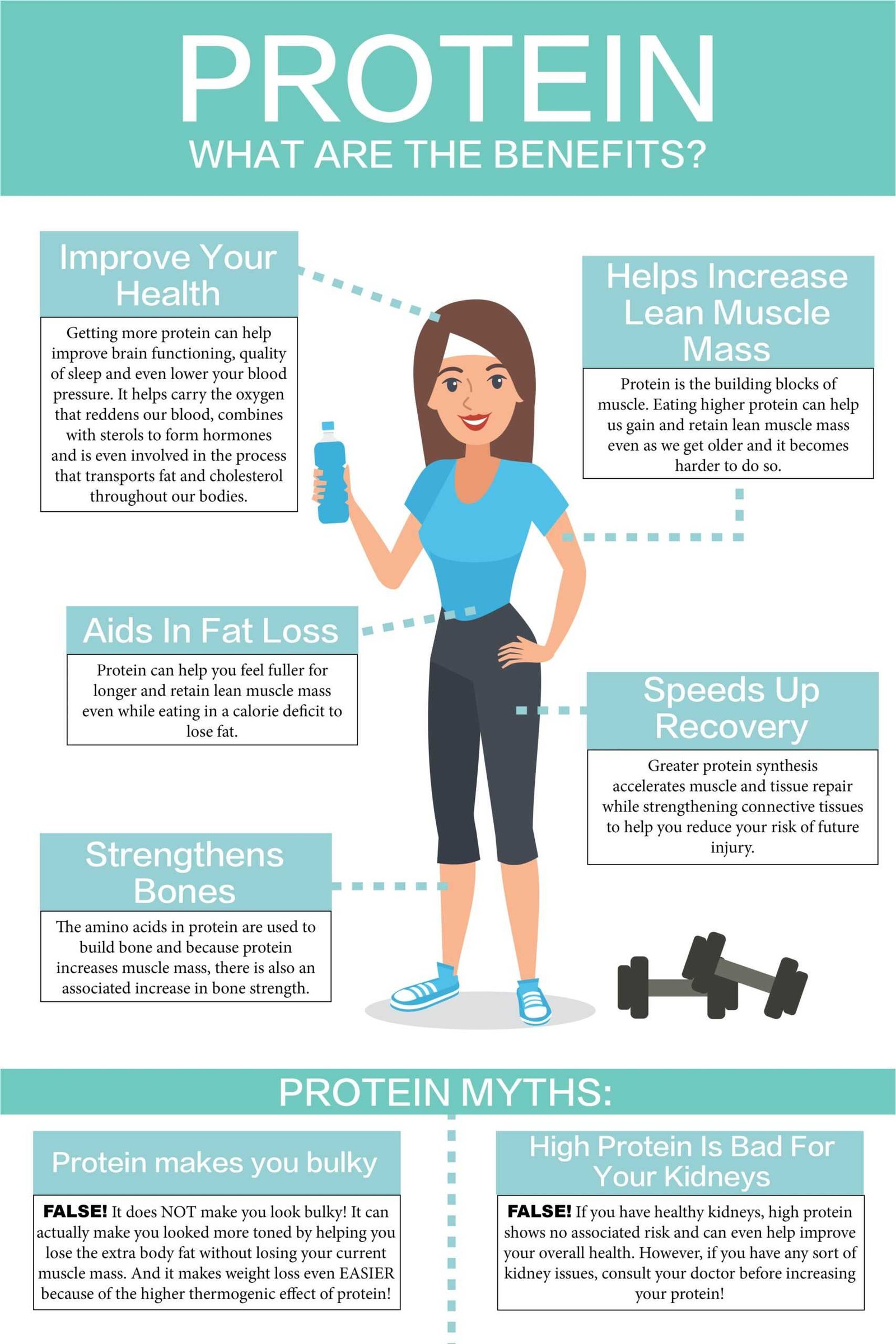
Eat more protein by including it in every meal, choosing lean options like chicken, fish, and beans, and adding protein-rich snacks throughout the day. Prioritizing protein helps preserve muscle, boost metabolism, and promote fat loss, making your weight management journey more effective. Simply incorporate these strategies consistently to maximize fat-burning and achieve your fitness goals.
If you want to burn fat more efficiently, increasing your protein intake is key. Focus on adding protein to each meal, opting for lean sources, and snacking on high-protein foods to keep your metabolism active and support muscle growth. Making these simple changes can significantly enhance your fat-burning efforts.
Consuming enough protein is essential for effective fat burning and overall health, but many people struggle to get enough through their diet. Whether you’re aiming to shed pounds or maintain a lean physique, understanding how to boost your protein intake can make a big difference. In this article, we’ll explore practical and easy ways to increase your protein consumption, helping you stay full longer, preserve muscle, and accelerate fat loss. By making mindful choices and incorporating more protein-rich foods into your daily routine, you’ll be well on your way to a healthier, leaner body.

How to eat more protein to support fat burning
Why Protein Is Important for Fat Burning
Protein plays a vital role in weight management and fat loss. It helps preserve muscle mass while you lose fat, which keeps your metabolism high. Eating enough protein also makes you feel full longer, reducing the chances of overeating.
How Much Protein Do You Need?
The amount of protein needed varies based on age, activity level, and goals. On average, adults should aim for about 0.8 grams of protein per kilogram of body weight daily. Athletes or those wanting to burn fat efficiently might need between 1.2 and 2.0 grams per kilogram.
Best Sources of Protein
Getting protein from a variety of sources ensures you get all essential amino acids. Here are some top choices:
- Lean meats: chicken, turkey, lean beef, and pork
- Seafood: salmon, tuna, shrimp, and cod
- Dairy products: Greek yogurt, cottage cheese, milk
- Eggs: whole eggs and egg whites
- Plant-based options: beans, lentils, chickpeas
- Nuts and seeds: almonds, chia seeds, sunflower seeds
- Protein powders: whey, casein, or plant-based blends
Incorporate Protein into Every Meal
To increase your protein intake, plan your meals to include a source of protein each time. For breakfast, consider eggs or Greek yogurt. Lunch and dinner can feature lean meats or fish, while snacks might be nuts, hard-boiled eggs, or a protein shake.
Breakfast Ideas Rich in Protein
Starting your day with protein helps maintain energy levels and curbs hunger. Examples include:
- Oatmeal topped with nuts and seeds
- Scrambled eggs with vegetables
- Greek yogurt with berries
- Protein smoothies with fruit and spinach
Lunch and Dinner Tips
Ensure your main meals include a generous serving of protein. Use grilled chicken or fish as the centerpiece. Add beans or lentils for plant-based options or include eggs for extra protein.
Snack Smart with High-Protein Foods
Snacks are a great opportunity to boost protein intake without adding many calories. Some easy options are:
- Mixed nuts and seeds
- Hard-boiled eggs
- Low-fat cheese sticks
- Hummus with veggies
- Protein bars (choose options with low sugar)
Use Protein Supplements Wisely
Protein powders offer a quick way to supplement your daily intake, especially after workouts. Choose high-quality options and add them to smoothies or oatmeal. Remember, supplements should complement, not replace, whole foods.
Meal Planning to Maximize Protein Intake
Planning your meals helps ensure you meet your daily protein goals. Prepare ingredients ahead of time and balance your meals with healthy carbs and fats to support fat loss.
Sample Meal Plan for a Day
Here’s an example to illustrate how to include enough protein:
- Breakfast: Scrambled eggs with spinach and whole-grain toast
- Snack: Greek yogurt with chia seeds
- Lunch: Grilled chicken salad with mixed greens and avocado
- Snack: Handful of almonds and a protein shake
- Dinner: Baked salmon with roasted vegetables and quinoa
Balance Protein with Other Nutrients
While increasing protein intake, do not neglect carbs and healthy fats. These nutrients provide energy and support overall health. Focus on whole grains, fruits, vegetables, and healthy oils to create a balanced diet.
Monitor Your Progress and Adjust Intake
Keep track of your eating habits and how your body responds. Adjust your protein intake based on activity levels and weight loss results. Consistency is key to supporting fat burning while maintaining muscle.
Additional Tips for Effective Fat Loss
Combine a high-protein diet with regular exercise, especially strength training, to maximize fat loss. Drink plenty of water, get enough sleep, and reduce sugar intake to support your goals.
Related Topics to Explore
- Benefits of resistance training for fat loss
- Role of fiber in weight management
- Healthy eating habits for long-term weight loss
- Understanding macronutrients and their functions
Ensuring you eat enough protein is a straightforward yet powerful way to support fat burning. By choosing a variety of protein-rich foods, planning your meals, and incorporating supplements wisely, you can make lasting changes that help you reach your weight goals. Remember, consistency and balance are the keys to success in any healthy lifestyle change.
Does Too Much Protein Affect Weight Loss?
Frequently Asked Questions
What are some high-protein foods I can include in my diet to boost fat burning?
Incorporate foods like lean meats such as chicken and turkey, fish such as salmon and tuna, eggs, dairy products like Greek yogurt and cottage cheese, legumes like lentils and chickpeas, nuts, and seeds into your meals. These options provide a substantial amount of protein that can support your fat-burning goals while keeping you satisfied.
How can I increase my daily protein intake without overeating calories?
Focus on adding small portions of protein-rich foods to each meal, such as a boiled egg, a handful of almonds, or a scoop of Greek yogurt. Use high-protein ingredients to enhance flavor and texture, which helps increase your intake without significantly raising your overall calorie consumption.
What strategies can I use to include more protein in my snacks?
Opt for protein-packed snacks like jerky, cheese sticks, Greek yogurt, or a handful of mixed nuts. Preparing snacks ahead of time ensures you have easy access to these options during busy moments, making it simpler to meet your daily protein targets.
Final Thoughts
Eating more protein to support fat burning is simple and effective. Incorporate high-protein foods like lean meats, eggs, dairy, and legumes into every meal. Snack on nuts or Greek yogurt to boost your intake throughout the day.
Planning your meals ensures consistent protein consumption, making it easier to reach your goals. Focus on balanced plates with adequate protein sources to enhance fat loss.
How to eat more protein to support fat burning involves making intentional choices that fit your lifestyle. Consistently adding protein-rich foods helps you stay full longer and promotes muscle retention during weight loss.
As an Amazon Associate, We earn from qualifying purchases. When you purchase a product through Amazon links on pulsefitguide.com, we may earn a small commission at no extra cost to you. This helps support the site and keep our content free.
