


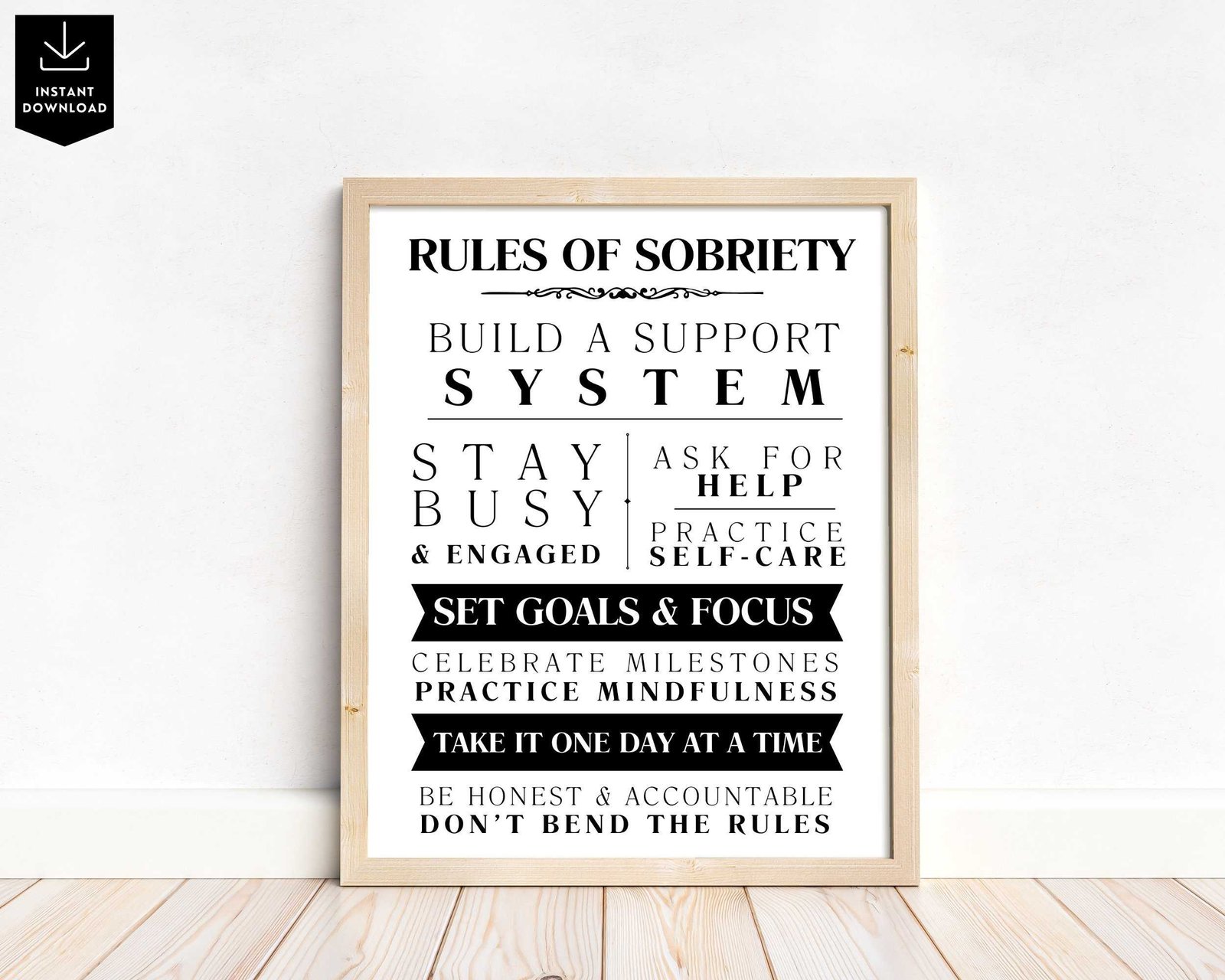
Building a strong support system is the key to staying accountable and reaching your goals faster. When you’re surrounded by encouraging people who understand your journey, motivation becomes easier to maintain and setbacks less daunting. Creating such a network involves identifying trusted friends, mentors, or groups that align with your goals and actively engaging with them. Cultivating open communication and being honest about your progress helps reinforce your commitment. Additionally, having regular check-ins and celebrating small wins keeps everyone motivated and focused. Ultimately, a reliable support system acts as your accountability buddy, pushing you to stay on track even when motivation wanes. Investing time in building meaningful connections ensures you’re never alone on your journey to success.
A support system to stay accountable can be built by choosing the right people, maintaining ongoing communication, and setting clear, shared goals. Regular check-ins and mutual encouragement help keep everyone motivated and committed to progress. Creating this foundation makes staying accountable more natural and sustainable.
Staying accountable is essential for achieving personal or professional goals. When you have a support system in place, it becomes easier to stay motivated, overcome obstacles, and track your progress. The key lies in building genuine relationships with people who share your vision, providing mutual encouragement, and setting up consistent ways to check in and celebrate milestones. This way, accountability becomes a collaborative effort rather than a lonely struggle, turning your ambitions into reality with collective strength.

How to build a support system to stay accountable
Building a support system is essential for staying committed to your goals. It helps you stay motivated, focused, and responsible. A strong support network can make all the difference in whether you reach your ambitions or give up along the way. Let’s explore how you can create an effective system to stay accountable.
Understanding the importance of a support system
A support system offers encouragement and guidance during your journey. It provides emotional strength when challenges arise and keeps you focused on your goals. Having people who believe in you makes it easier to stay committed.
Identify your specific goals and needs
Before building your support system, clearly define what you want to achieve. Whether it’s improving your health, learning a new skill, or sticking to a routine, knowing your goals helps you find the right people to support you. Also, know what kind of support you need—whether it’s motivation, advice, or accountability checks.
Choose the right people for your support network
Select friends, family members, or colleagues who are positive and encouraging. It’s best to find people who understand your goals and can hold you accountable. Avoid those who might discourage or distract you from your path.
Characteristics of good support partners
- Positive attitude that motivates you
- Good listener and honest communicator
- Respectful of your goals and boundaries
- Reliable and consistent in their support
How to approach potential support partners
Be open and honest about your goals and why you need support. Explain how they can help, whether through encouragement, regular check-ins, or sharing their own experiences. Most people want to help if they understand how they can make a difference.
Establish clear communication and expectations
Set up regular times to talk or meet with your support system. Decide what type of updates you’ll give and how often. Clear expectations prevent misunderstandings and keep everyone on track.
Sample communication plan
| Method | Frequency | Purpose |
|---|---|---|
| In-person meetings | Once a week | Discuss progress and challenges |
| Text messages | Twice a week | Motivational check-ins and quick updates |
| Email updates | Bi-weekly | Share detailed progress and plans |
Creating accountability practices
Accountability practices help ensure you stay on track. Use tools like journals, apps, or charts to record your progress. Share your updates with your support system to keep yourself committed.
Using technology to stay accountable
Apps like habit trackers or goal-setting platforms can remind you of your tasks. Many apps also allow your support partners to view your progress, adding extra motivation. Setting reminders and notifications keeps goals at the forefront of your mind.
Building a community or support group
Consider joining groups with similar goals. It could be a fitness class, an online forum, or a hobby club. Being part of a community offers shared motivation and encouragement.
Benefits of community support
- Shared experiences and advice
- Feeling connected and motivated
- Healthy competition and inspiration
Maintaining your support system over time
Support systems need nurturing to stay effective. Regularly express gratitude, celebrate your progress, and be honest about challenges. When relationships grow strong, your accountability increases.
Adapting your support system as needed
Your needs may change over time, so be flexible. If someone no longer fits your goals, politely seek new support partners. Keep your network dynamic and supportive.
Overcoming common obstacles in building support systems
Challenges like lack of engagement or conflicting schedules can arise. Address these by being clear about your needs and respectful of others’ time. If someone isn’t helping as expected, consider finding new support partners.
Handling conflicts or setbacks
Stay positive and communicate openly about difficulties. Remember, setbacks are part of growth. Your support system should encourage resilience and learning.
Additional tips for effective accountability
Create a routine that incorporates support activities. Make accountability a habit rather than a chore. Also, be patient—building trust takes time.
Role of self-accountability
While support systems are powerful, your own commitment is crucial. Practice self-motivation and remind yourself why your goals matter.
Related topics for further growth
Consider exploring topics like goal setting strategies, time management, and stress reduction techniques. These can complement your support system and enhance your progress.
Summary of key points
- Identify clear goals and needs
- Select positive and reliable support partners
- Establish open communication and expectations
- Utilize tools and communities for accountability
- Maintain relationships and adapt as needed
By taking these steps, you can build a support system that keeps you motivated and responsible. The right people and habits will help you stay on course toward your goals. Remember, accountability is a team effort—and your support network is your greatest ally.
How to build a support system for accountability and motivation
Frequently Asked Questions
What strategies can I use to encourage others to hold me accountable?
To encourage others to hold you accountable, clearly communicate your goals and the reasons behind them. Share your progress regularly and ask for honest feedback. Choose people who are committed and supportive, and establish a routine for check-ins. Recognizing their efforts and expressing appreciation can motivate them to stay engaged. Building a mutual understanding of expectations also ensures accountability remains effective and positive.
How can I create a supportive environment that fosters accountability?
Create an environment where transparency and honesty are valued. Surround yourself with individuals who promote motivation and provide constructive feedback. Set shared goals and celebrate milestones together to strengthen commitment. Keep communication lines open and ensure privacy for personal discussions. An atmosphere that emphasizes encouragement over criticism helps everyone stay motivated and accountable.
What tools or methods can assist in maintaining accountability within a support network?
Utilize digital tools such as shared calendars, task management apps, or accountability journals to track progress and set reminders. Scheduling regular meetings or check-ins keeps everyone aligned. Using messaging platforms for quick updates and encouragement also helps maintain momentum. Consistently documenting achievements and setbacks allows your support network to offer targeted advice and encouragement when needed.
How should I handle setbacks when working with my support system?
Approach setbacks as learning opportunities rather than failures. Communicate openly with your support system about challenges you face. Seek advice and reassurance from trusted members to regain motivation. Adjust your goals or strategies if necessary, and acknowledge progress made despite difficulties. Maintaining a positive outlook and involving your support network helps you stay committed and resilient.
How can I balance independence with relying on my support system?
Maintain a sense of ownership over your goals while appreciating the value of your support network. Set clear boundaries for when and how you seek assistance, ensuring accountability remains a personal responsibility. Celebrate your successes and reflect on lessons from setbacks independently, but don’t hesitate to reach out for guidance. Striking this balance allows you to stay motivated while leveraging support effectively without becoming overly dependent.
Final Thoughts
Building a support system to stay accountable involves selecting trusted friends or mentors who motivate you. Clearly communicate your goals and ask for their encouragement. Regular check-ins help maintain momentum and reinforce your commitments.
Creating a network of accountability partners keeps you focused and motivated. Cultivate honest relationships where feedback is welcomed and progress is celebrated. Staying connected ensures you stay on track and motivated.
In conclusion, how to build a support system to stay accountable is vital for achieving your goals. Prioritize genuine connections and consistent communication to sustain your motivation and success.
As an Amazon Associate, We earn from qualifying purchases. When you purchase a product through Amazon links on pulsefitguide.com, we may earn a small commission at no extra cost to you. This helps support the site and keep our content free.
