


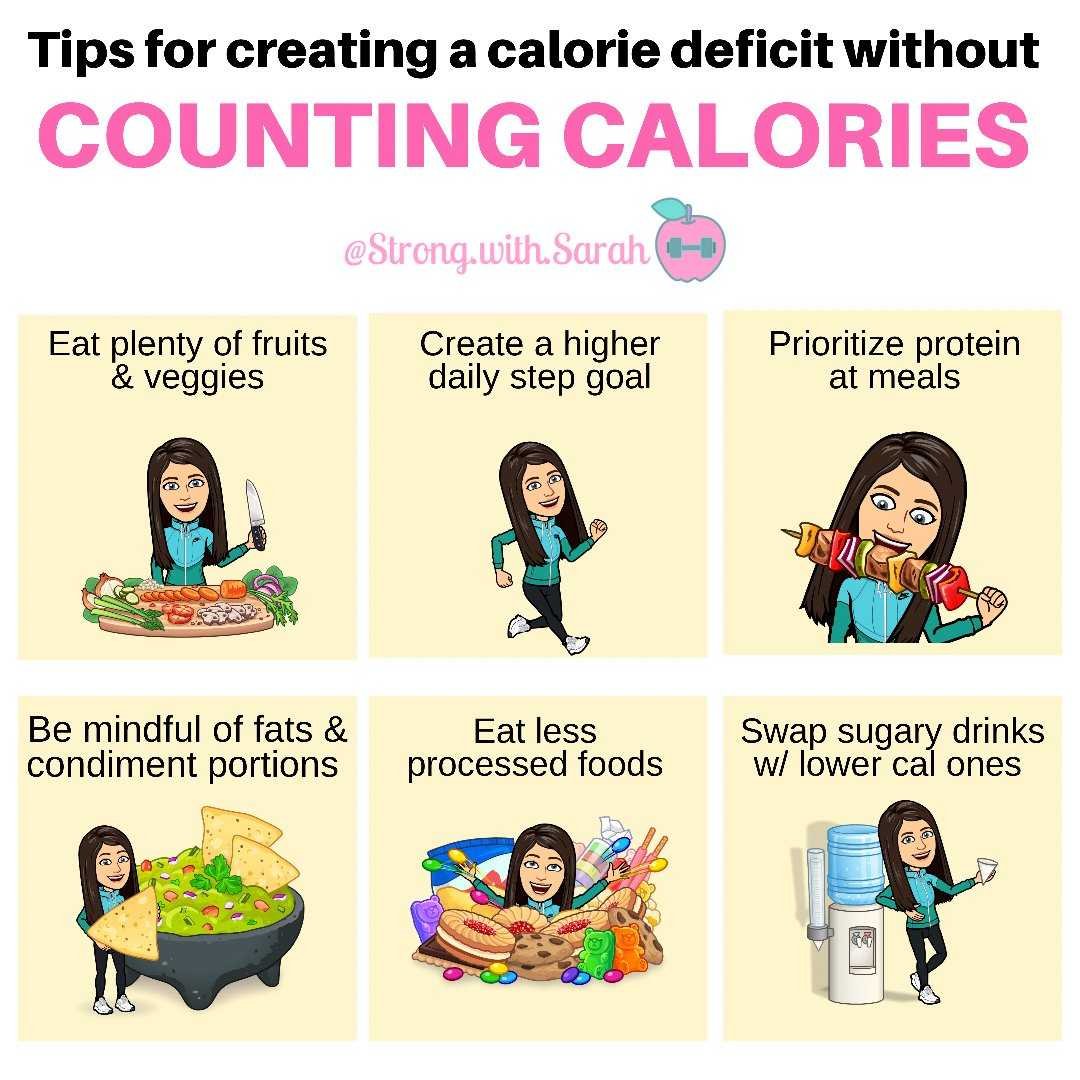
To create a calorie deficit safely for weight loss, focus on gradually reducing your daily calorie intake while increasing physical activity. Prioritize nutritious foods and avoid extreme restrictions to ensure your body gets the energy and nutrients it needs. Combining diet adjustments with regular exercise helps you lose weight steadily without risking your health.
A safe calorie deficit involves making sustainable lifestyle changes rather than drastic measures. It’s about finding a balance that allows you to shed pounds gradually while maintaining energy levels and overall well-being. By eating mindfully and staying active, you can achieve your weight loss goals safely and effectively.
Losing weight can seem overwhelming, but understanding the right approach makes all the difference. If you want to shed excess pounds without risking your health, creating a calorie deficit is essential. This means consuming fewer calories than your body burns each day, but it should be done thoughtfully. Cutting calories too rapidly or drastically can lead to fatigue, nutrient deficiencies, and yo-yo dieting. Instead, aim for a gentle reduction combined with increased movement. Focus on whole foods like fruits, vegetables, lean proteins, and whole grains, which help you feel full and satisfied. Incorporating regular exercise, even a brisk daily walk, boosts calorie burn and supports your goal. Remember, consistency and patience are key—slow and steady wins the race to sustainable weight loss.

How to create a calorie deficit safely for weight loss
Understanding the concept of a calorie deficit
Creating a calorie deficit means consuming fewer calories than your body burns in a day. This is essential for weight loss because your body turns stored fat into energy when it doesn’t get enough calories from food.
Knowing your daily calorie needs helps you plan your intake to stay healthy and effective. It’s important to balance your calorie reduction with proper nutrition to avoid nutrient deficiencies.
How many calories should you cut?
Most people aim for a daily deficit of 500 to 1000 calories. This can lead to a safe weight loss of about 1 to 2 pounds per week.
Cutting too many calories at once can be harmful and may cause fatigue, dizziness, or nutrient shortages. Always base your calorie cut on your age, gender, activity level, and current weight.
Calculating your daily calorie needs
To find out how many calories you need daily, use the Harris-Benedict equation or an online calculator that considers your age, weight, height, and activity level.
This gives you your Basal Metabolic Rate (BMR) — the calories your body needs at rest. Add your activity level to find your Total Daily Energy Expenditure (TDEE), which is your true daily calorie requirement.
Adjusting your diet for a safe calorie deficit
Once you know your TDEE, subtract 500 to 1000 calories for a weekly weight loss of about 1 to 2 pounds.
Ensure your daily intake doesn’t drop below 1200 calories for women or 1500 for men unless supervised by a healthcare professional. This helps maintain energy levels and prevents nutritional gaps.
Choosing nutrient-dense foods
Opt for foods rich in vitamins, minerals, and fiber to stay full and healthy. Fill your plate with vegetables, fruits, lean proteins, whole grains, and healthy fats.
Limit processed foods, sugary drinks, and high-calorie snacks that add empty calories to your diet. These choices support your weight loss while keeping your body nourished.
Balancing macronutrients for weight loss
A healthy balance of carbs, proteins, and fats supports your weight loss goals. A common guideline is getting around:
- 45-55% of calories from carbohydrates
- 20-30% from fats
- 15-25% from proteins
Protein helps preserve muscle mass during weight loss, while healthy fats and carbs provide energy and satisfaction.
How to track your calorie intake effectively
Use a food diary or smartphone app to log what you eat each day. This helps you stay aware of your calorie consumption and identify areas where you can make healthier choices.
Reading nutrition labels and measuring portion sizes are also effective ways to ensure accuracy. Regular tracking keeps you accountable and motivated.
Incorporating exercise to increase calorie burn
Physical activity boosts your calorie expenditure and accelerates weight loss. Incorporate both cardio exercises like walking, running, or cycling and strength training to build muscle.
Muscle tissue burns more calories even at rest, helping increase your overall calorie burn. Aim for at least 150 minutes of moderate activity weekly, or more for faster results.
Why strength training matters
Strength training helps preserve lean muscle while losing fat. Maintaining muscle mass is crucial because it helps keep your metabolism high.
Include exercises such as weightlifting, resistance band workouts, or bodyweight movements like push-ups and squats at least two times per week.
Monitoring progress and making adjustments
Regularly track your weight, measurements, and how your clothes fit to see your progress. If weight loss stalls, consider adjusting your calorie intake or activity level.
Be patient and realistic; sustainable weight loss often takes time. Focus on healthy habits rather than quick fixes for long-term success.
Managing hunger and cravings
It’s common to feel hungry when eating at a calorie deficit. To manage this, include high-fiber foods and lean proteins, which promote fullness.
Drinking plenty of water and eating regular, balanced meals can also help control cravings and prevent overeating.
Ensuring safety during calorie reduction
Never reduce calories drastically or for extended periods without medical advice. Severe calorie deficits can cause dizziness, fatigue, hair loss, and other health issues.
Consult with a healthcare professional or registered dietitian before making significant changes to your diet, especially if you have underlying health conditions.
Additional tips for creating a sustainable calorie deficit
Set realistic goals and understand that weight loss is a gradual process. Focus on making small, consistent changes in your eating and activity habits.
Prioritize habits you can maintain long-term, such as cooking more at home, staying active, and choosing healthier foods.
Related topics to consider
- Meal planning for weight management
- Healthy snack ideas for weight loss
- How sleep affects weight loss
- The role of hydration in weight control
- Understanding emotional eating and how to overcome it
Creating a calorie deficit safely involves a combination of proper calorie calculation, nutritious foods, regular exercise, and patience. It’s all about making smarter choices that support your health and weight loss goals over time. Focus on balanced habits, stay consistent, and listen to your body for the best results.
How To Calculate A Calorie Deficit For Weight Loss | Nutritionist Explains | Myprotein
Frequently Asked Questions
What are some safe ways to reduce calorie intake without feeling deprived?
Focus on incorporating nutrient-dense foods that satisfy your hunger with fewer calories, such as vegetables, lean proteins, and whole grains. Eating smaller, more frequent meals can also prevent excessive hunger and prevent overeating. Avoid fad diets and quick fixes; instead, make gradual changes to your eating habits that you can sustain long-term. Staying hydrated and limiting high-calorie, low-nutrient foods like sweets and processed snacks help you manage calorie intake effectively without feeling deprived.
How can incorporating physical activity help create a calorie deficit safely?
Adding regular physical activity increases the number of calories your body burns each day, making it easier to achieve a calorie deficit. Choose exercises you enjoy, such as walking, cycling, or swimming, to stay consistent. Combining cardio with strength training not only burns calories during workouts but also builds muscle, which boosts your resting metabolic rate. Be sure to start slowly and gradually increase the intensity and duration of your workouts to prevent injury and maintain motivation.
What are some common mistakes to avoid when trying to create a calorie deficit for weight loss?
Avoid drastically reducing your calorie intake, as it can lead to nutritional deficiencies, low energy levels, and unsustainable habits. Skipping meals can cause overeating later and slow your metabolism. Relying solely on dieting without incorporating physical activity might make weight loss slower and harder to maintain. Additionally, be cautious of relying on weight loss supplements or extreme restrictions that can harm your health. Focus on balanced eating and regular activity to create a sustainable calorie deficit.
Final Thoughts
Creating a calorie deficit safely for weight loss involves balanced eating and regular activity. Focus on nutritious foods that satisfy your hunger without excess calories. Incorporate physical activity into your routine to increase calorie burn naturally.
Avoid extreme restrictions and aim for steady, manageable progress. Prioritize your well-being and listen to your body’s signals. By maintaining this approach, you can achieve your goals while keeping your health intact.
As an Amazon Associate, We earn from qualifying purchases. When you purchase a product through Amazon links on pulsefitguide.com, we may earn a small commission at no extra cost to you. This helps support the site and keep our content free.
