


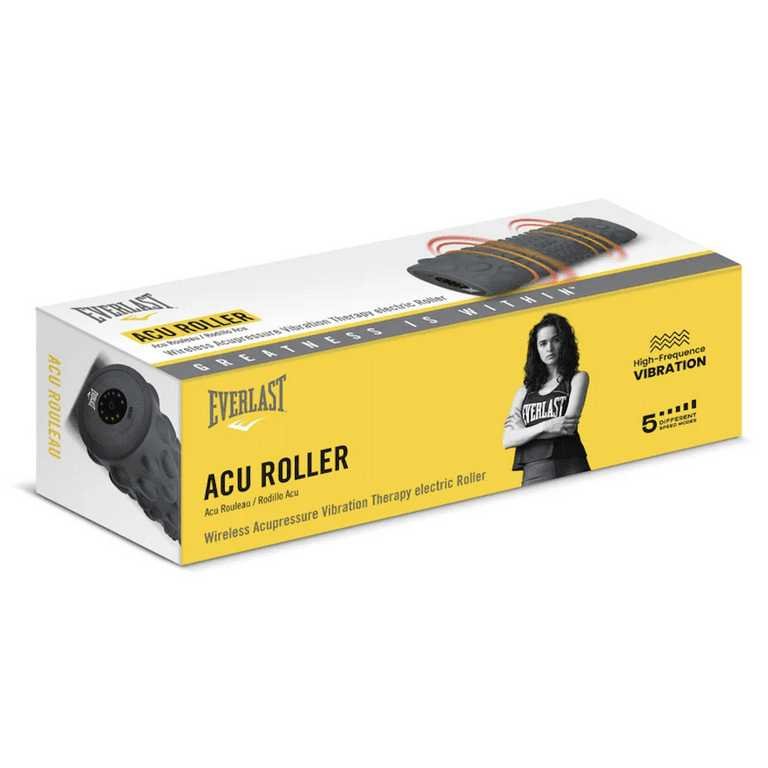
Using a foam roller after your workout can significantly speed up muscle recovery and reduce soreness, helping you feel better faster and get back to training stronger. Just a few minutes of rolling can release muscle tightness, increase blood flow, and improve flexibility, making it an essential tool for athletes and fitness enthusiasts alike.
A foam roller is an effective, cost-efficient way to support muscle recovery post-exercise. It works through self-myofascial release, loosening tight muscles and fascia, which enhances circulation and accelerates healing. Incorporating foam rolling into your routine can lead to less muscle pain, improved mobility, and better overall performance.
If you’re looking to bounce back quickly from your workouts and keep your muscles in top shape, a foam roller is your new best friend. It’s simple, convenient, and impactful—perfect for anyone serious about optimizing recovery and staying active.

Foam Roller for Post Workout Muscle Recovery
What Is a Foam Roller and How Does It Help with Muscle Recovery?
A foam roller is a cylindrical piece of foam used for self-myofascial release. It helps release tension in muscles and fascia, which is the connective tissue surrounding muscles. Using a foam roller after workouts can reduce soreness and improve flexibility.
Regular foam rolling encourages blood flow to sore muscles. This increased circulation delivers oxygen and nutrients needed for repair. It also helps eliminate waste products like lactic acid from muscles.
People often use foam rollers to prevent injury and enhance overall performance. They are a simple, cost-effective tool for active recovery. Foam rolling fits easily into most workout routines and can be done anywhere.
Benefits of Using a Foam Roller After Exercising
Using a foam roller after exercising offers numerous benefits. It helps decrease muscle tightness and stiffness, making muscles more elastic. This reduces the risk of strains and pulls.
Foam rolling also accelerates recovery by boosting blood flow. More blood delivers essential nutrients to muscles and clears out waste. This can lead to a faster return to normal activity.
In addition, foam rolling can improve range of motion. Better flexibility allows for more effective workouts and reduces injury chances. Many athletes and fitness enthusiasts include foam rolling in their recovery sessions.
Types of Foam Rollers and Their Uses
There are several types of foam rollers suitable for different needs. Standard foam rollers are dense and firm, ideal for deep tissue massage. They work well for athletes with tight muscles.
For beginners, softer foam rollers are more comfortable. They provide gentle pressure and are good for those new to self-myofascial release. There are also textured foam rollers with ridges or bumps.
These textured rollers target specific muscle knots and trigger points more effectively. Some rollers are smaller and portable, perfect for travel or office use. Choosing the right foam roller depends on your body, goals, and experience level.
How to Use a Foam Roller Effectively
Start by identifying tight or sore muscles before your session. Position the foam roller under the targeted muscle group. Use your body weight to apply gentle pressure.
Roll slowly back and forth over the muscle, maintaining steady pressure. When you hit a tender spot, pause and hold for about 15 to 30 seconds. This helps release muscle knots and fascia tension.
Limit each muscle group to about two minutes. Avoid rolling directly over joints or bones. Consistency is key—use the foam roller after every workout or on rest days for best results.
Common Mistakes to Avoid During Foam Rolling
Avoid pressing too hard, especially if you’re new to foam rolling. Excessive pressure can cause bruising or increase soreness. Start gently and gradually increase intensity.
Don’t roll over joints, tendons, or bony areas. Focus only on muscle tissue. Never roll over an injury without consulting a healthcare professional.
Over-rolling can lead to muscle irritation. Stick to recommended time limits and listen to your body. Rest if you experience sharp pain or discomfort.
Best Practices for Incorporating Foam Rolling Into Your Routine
Integrate foam rolling into your warm-up and cool-down routines. Doing it before exercise can prepare muscles and improve performance.
Post-workout foam rolling can help with recovery and reduce soreness. Make it a regular part of your weekly fitness schedule. Use it for at least five minutes per muscle group.
Pair foam rolling with stretching for enhanced flexibility. Maintain hydration and eat nutritious foods to support muscle recovery. Consistency will lead to better results over time.
Tips for Choosing the Right Foam Roller
Select a foam roller based on your body size and muscle tightness. Softer rollers are ideal for beginners or sensitive areas. Firmer rollers provide deeper tissue massage for experienced users.
Consider the size and density of the foam roller. A larger diameter roller covers more surface area and is easier to balance. Textured rollers can target specific muscle knots.
Durability is also important. Look for high-density foam that maintains shape over time. Read reviews and choose reputable brands for quality assurance.
Related Topics: Incorporating Foam Rolling with Other Recovery Methods
Foam rolling works best when combined with other recovery strategies. Complement it with stretching exercises to improve flexibility further. Gentle yoga can also enhance muscle relaxation.
Adequate hydration supports muscle repair and reduces soreness. Proper nutrition, including protein intake, aids in muscle recovery and growth.
Getting enough sleep is crucial after intense workouts. It allows muscles to repair and rebuild effectively. Combining these methods creates a comprehensive post-workout recovery plan.
Expert Opinions on Foam Rolling for Muscle Recovery
Many physical therapists and sports scientists recommend foam rolling as part of an active recovery routine. They highlight its benefits in enhancing blood circulation and reducing muscle tightness.
Experts advise using foam rollers consistently for best results. They emphasize listening to your body and avoiding overuse. Regular foam rolling can help athletes maintain peak performance.
Some professionals suggest combining foam rolling with professional massage therapy for deeper tissue work. Overall, foam rolling is a safe, accessible method to support muscle health.
Additional Tips for Effective Foam Rolling
Stay relaxed during your session to maximize benefits. Breathing deeply helps release muscle tension. Maintain good posture and balance for safety.
Avoid rushing through sessions. Quality matters more than speed. Focus on slow, controlled movements for better results.
If you experience persistent soreness or injury, consult a healthcare provider. Foam rolling is a beneficial tool but should complement other recovery methods.
Final Thoughts on Foam Roller for Post Workout Muscle Recovery
Using a foam roller is a simple yet powerful way to improve post-workout recovery. It can reduce soreness, increase flexibility, and prevent injuries when used correctly. Consistent practice becomes a valuable part of your fitness journey, helping you feel better and perform longer. Select the right foam roller for your needs, follow proper techniques, and incorporate it into your recovery routine for optimal results.
How To Use Your Foam Roller | Guide To Effective RUNNING RECOVERY
Frequently Asked Questions
How does using a foam roller benefit muscle recovery after workouts?
Using a foam roller helps increase blood flow to muscles, which accelerates the removal of metabolic waste and supplies essential nutrients. This process reduces muscle soreness and stiffness, allowing your muscles to recover more quickly. Additionally, foam rolling can break down adhesions and scar tissue in muscles, promoting flexibility and preventing future injuries.
What techniques should I use when foam rolling to maximize recovery?
Apply gentle, controlled pressure and roll slowly over the targeted muscles, focusing on tender spots or knots. Spend about 30 seconds to 1 minute on each muscle group, gradually increasing pressure as tolerated. Keep your movements steady and avoid bouncing excessively to prevent tissue damage. Consistent, mindful rolling enhances muscle elasticity and helps prevent tightness.
Are there specific foam rolling routines recommended for different types of workouts?
Yes, routines vary depending on the workout performed. For strength training, focus on rolling major muscle groups like quadriceps, hamstrings, and glutes. For cardio workouts, target muscles such as calves and lower back. Incorporate pre- and post-exercise rolling to prepare muscles beforehand and aid recovery afterward, tailoring routines to your activity level and muscle usage.
Can foam rolling replace other recovery methods like stretching or massage?
While foam rolling offers immediate benefits in reducing muscle tightness and improving circulation, it works best when combined with stretching and massage techniques. These methods complement each other by enhancing flexibility and further alleviating muscle tension. Integrate foam rolling into your recovery routine alongside stretching and professional massages for optimal results.
How often should I incorporate foam rolling into my post-workout routine?
Perform foam rolling after every workout or on days when you experience tightness or soreness. Aim for 10 to 15 minutes per session, focusing on muscles that feel tense or fatigued. Regular use helps maintain muscle flexibility, prevent injuries, and supports faster recovery. Adjust frequency based on your activity level and how your muscles respond.
Final Thoughts
In summary, using a foam roller for post workout muscle recovery offers numerous benefits. It helps reduce soreness, improve flexibility, and increase blood flow to muscles. Regular use can speed up recovery and prevent injuries. Incorporate it into your routine for a quicker, more effective recovery process.
As an Amazon Associate, We earn from qualifying purchases. When you purchase a product through Amazon links on pulsefitguide.com, we may earn a small commission at no extra cost to you. This helps support the site and keep our content free.
