


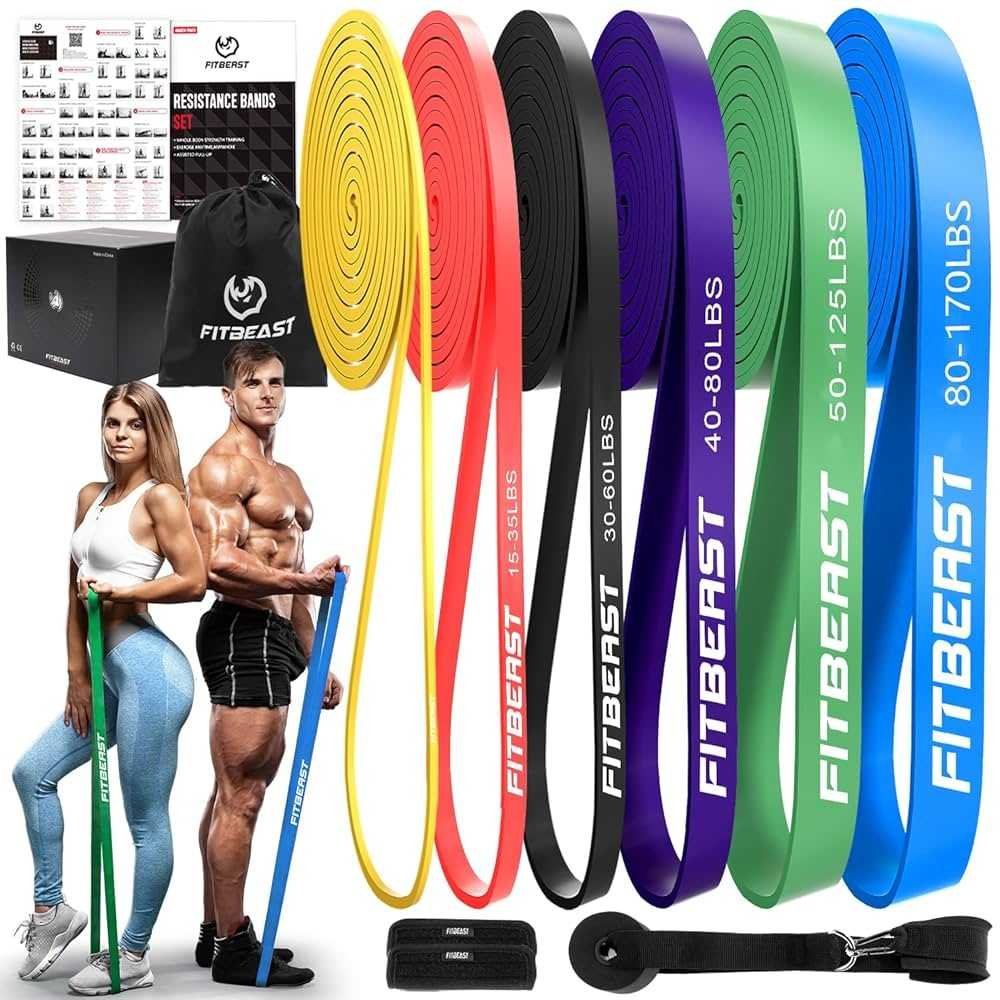
Resistance bands are a game-changer for building strength and improving mobility—easy to use, versatile, and portable. They allow you to target muscles effectively, enhance flexibility, and boost overall performance without bulky equipment. Whether you’re recovering from an injury or just looking to elevate your workout routine, resistance bands are a smart choice. In this article, you’ll learn how these simple tools can revolutionize your fitness journey and help you achieve your strength and mobility goals with minimal hassle.
Resistance bands are excellent for enhancing strength and flexibility because they are adaptable to many exercises and fitness levels. They provide resistance that can be increased or decreased, making workouts both challenging and accessible for everyone. Additionally, their portability means you can incorporate effective training anywhere—at home, at the gym, or even while traveling—making them a practical addition to any fitness routine.

Resistance bands for strength and mobility exercises
What Are Resistance Bands and Why Use Them?
Resistance bands are stretchy strips made of rubber, latex, or other elastic materials. They provide adjustable resistance during workouts, making exercises more challenging and effective. Many people choose resistance bands because they are lightweight, portable, and versatile, fitting into almost any workout routine.
Using resistance bands helps build muscle strength and enhances flexibility at the same time. They are ideal for people of all fitness levels, from beginners to advanced athletes. Whether you’re recovering from injury or aiming to improve athletic performance, resistance bands can support your goals.
Types of Resistance Bands and Their Uses
Loop Bands
Loop bands are continuous circles that can be placed around legs or arms. They are excellent for strengthening hips, thighs, and glutes. Many trainers use them for lower body exercises and mobility drills.
Tube Bands with Handles
Tube bands have handles for a secure grip and are suitable for upper body workouts like bicep curls and shoulder presses. They mimic traditional weight lifting but are easier to carry and store.
Therapy Bands
Therapy bands are usually flat and wide, designed for rehabilitation and improving mobility. They are gentle on joints and perfect for slow, controlled exercises.
Benefits of Resistance Bands for Strength and Mobility
Resistance bands boost muscle strength by providing continuous tension through the movement. They can improve joint flexibility and help prevent injuries. These bands are also effective for functional training, making everyday activities easier.
Using bands regularly can increase range of motion in your joints. They encourage proper movement patterns and balance. Plus, resistance bands are cost-effective and require minimal space.
How to Incorporate Resistance Bands into Your Workout
Create Full-Body Routines
Combine exercises targeting different muscle groups to maximize efficiency. Use bands for squats, lunges, push-ups, and rows. This approach helps improve strength and mobility across your entire body.
Focus on Mobility Drills
Use resistance bands for dynamic stretching and mobility exercises. For example, perform shoulder stretches with a band or hip flexor stretches. These drills prepare your body for activity and help reduce stiffness.
Progress Gradually
Start with lighter resistance and increase gradually as your strength improves. Keep proper form and avoid overexertion. Consistent use over time leads to noticeable gains.
Sample Resistance Band Exercises for Strength
Here’s a quick list of effective exercises to include in your routine:
- Banded Squats: Place the band around your thighs, squat down while pushing knees outward. This targets glutes and thighs.
- Resistance Band Rows: Anchor the band at waist level, pull towards your chest, squeezing shoulder blades. Boosts back and arm strength.
- Bicep Curls: Stand on the band, hold handles, curl upwards. Builds arm muscles.
- Overhead Shoulder Press: Stand on the band, press handles overhead. Strengthens shoulders and arms.
Effective Resistance Band Exercises for Mobility
Mobility exercises focus on increasing joint flexibility and muscle length. Here are some top choices:
Shoulder Dislocations
Hold a band with a wide grip, lift over your head, and bring behind your back. Improves shoulder flexibility.
Hip Flexor Stretch
Attach the band to a sturdy object, loop around your hip, and gently pull to stretch the front hip muscles.
Hamstring Stretch
Sit on the ground with one leg extended, loop the band around your foot, and gently pull to stretch the hamstring.
Ankle Mobilizations
Use a resistance band around your foot while sitting to gently stretch and move the ankle joint. Enhances ankle mobility and stability.
Tips for Safe and Effective Use of Resistance Bands
Pay attention to proper technique to avoid injuries. Keep your core engaged during exercises for stability. Never stretch the band beyond its limit to prevent snapping.
Replace worn-out bands to maintain safety and effective resistance. Store bands in a cool, dry place away from direct sunlight. Incorporate variety by changing exercises and resistance levels regularly.
Additional Tips to Maximize Your Resistance Band Workouts
Set clear goals, like increasing strength or improving flexibility. Warm up before exercise and cool down afterward. Consistency is key—use bands at least two to three times weekly for best results.
Track your progress by noting resistance levels and reps. Listen to your body and avoid pushing through pain. Adjust exercises to match your current fitness and mobility levels.
Related Topics for Better Results
- Stretching and Flexibility Routines
- Strength Training for Beginners
- Rehabilitation Exercises Using Resistance Bands
- At-Home Workout Ideas
Choosing the Right Resistance Band
Select a band with appropriate resistance for your level—light, medium, or heavy. Consider the type of exercise you’ll do most, whether for mobility or strength. Durability and comfort are also important factors when picking your bands.
Tables and charts can help compare resistance levels and best uses:
| Resistance Level | Ideal For | Exercises |
|---|---|---|
| Light | Rehabilitation, flexibility, beginners | Stretching, light toning |
| Medium | General strength training, improving mobility | Squats, rows, arm curls |
| Heavy | Advanced strength training, muscle building | Pull-ups, resisted push-ups |
Incorporating resistance bands into your fitness routine offers an affordable, flexible, and effective way to strengthen muscles and improve mobility. Their versatility makes them suitable for many types of exercises, from rehab to athletic training. Consistent use can lead to healthier joints, better posture, and increased muscular endurance, making them a valuable addition to any workout plan.
Stick Mobility Resistance Bands
Frequently Asked Questions
How can resistance bands help improve joint flexibility?
Resistance bands provide gentle, controlled resistance that allows you to perform slow, deliberate movements. This helps in stretching the muscles around your joints, promoting increased flexibility and range of motion. Regular use can alleviate stiffness and support healthier, more agile joints over time.
What are some effective exercises to strengthen the upper body with resistance bands?
To strengthen the upper body, you can perform exercises like bicep curls, shoulder presses, and rows using resistance bands. These movements target major muscles such as the biceps, shoulders, and back. Incorporate multiple sets and adjust the band tension to match your strength level for optimal muscle engagement.
How do resistance bands assist in rehabilitating injuries?
Resistance bands offer low-impact resistance that allows you to rebuild strength gradually without putting excessive stress on injured tissues. They enable controlled movements, which help restore muscle balance and improve stability while minimizing the risk of re-injury. Always consult a healthcare professional for tailored rehabilitation exercises.
Can resistance bands be used for enhanced core stability training?
Yes, resistance bands effectively engage core muscles during exercises like Russian twists, standing oblique crunches, and seated rotations. Using bands adds resistance that challenges your core muscles, helping to improve balance and stability essential for daily activities and athletic performance.
What precautions should I take when using resistance bands for mobility workouts?
Ensure you select bands with appropriate tension for your fitness level, and inspect them for tears or damage before each use. Perform exercises with controlled movements to avoid overstretching or snapping the band. If you experience pain or discomfort, stop immediately and seek guidance from a fitness professional.
Final Thoughts
Resistance bands for strength and mobility exercises offer a versatile way to enhance physical health. They are portable, affordable, and suitable for users at all fitness levels. Incorporating them into your routine can improve muscle tone and joint flexibility effectively. Consistent use helps build endurance while supporting mobility. Overall, resistance bands for strength and mobility exercises provide an accessible tool for ongoing fitness improvement.
As an Amazon Associate, We earn from qualifying purchases. When you purchase a product through Amazon links on pulsefitguide.com, we may earn a small commission at no extra cost to you. This helps support the site and keep our content free.
