


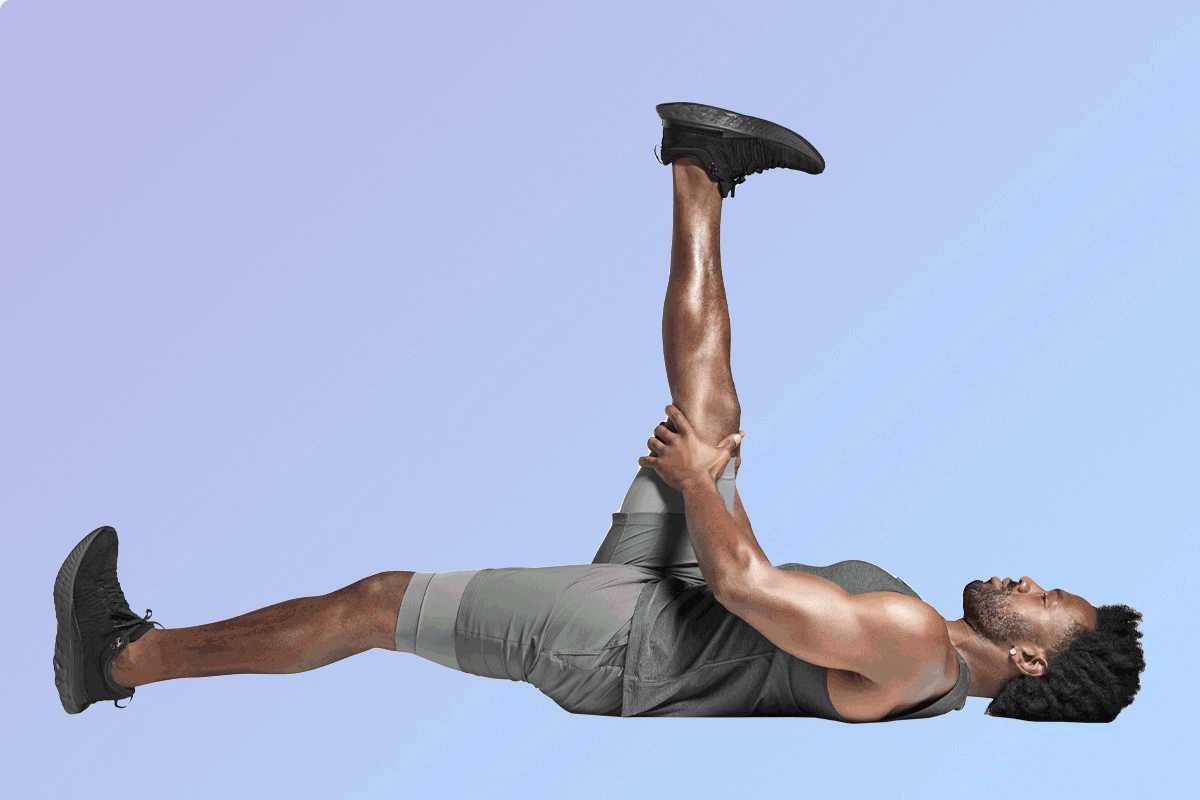
To speed up your recovery and reduce soreness after leg day, focusing on stretching your hamstrings and calves is key. These stretches help improve flexibility, promote blood flow, and ease muscle tension, making your recovery smoother and quicker. Incorporating a few targeted stretches into your post-workout routine can make a noticeable difference in how quickly you feel ready for your next session and reduce the risk of injury.
Stretching hamstrings and calves after leg day is essential for optimal recovery. These muscles tend to get tight and sore, and gentle stretching assists in releasing that tension while enhancing circulation. A consistent post-workout stretching routine can keep your legs more flexible, reduce discomfort, and help your muscles recover faster, so you’re back on your feet sooner and ready to crush your next workout.

Stretching Hamstrings and Calves for Leg Day Recovery
After an intense leg workout, your muscles need care to recover properly. Stretching hamstrings and calves helps reduce soreness and prevents injuries. In this section, we’ll explore effective stretching techniques to ease the strain on these muscles and promote quicker recovery.
Understanding Why Stretching Matters After Leg Day
Stretching after exercise increases blood flow to muscles, delivering essential nutrients needed for repair. It also helps release tension built up during workout sessions. Proper stretching reduces muscle stiffness, improves flexibility, and supports overall muscle health.
Hamstrings: Key Muscles in Leg Movement
Hamstrings are a group of three muscles at the back of your thigh. They are responsible for knee flexion and hip extension, making them crucial in movements like running, jumping, and squatting. Tight hamstrings can limit mobility and cause discomfort after leg exercises.
Calves: The Power Behind Your Steps
The calf muscles, mainly the gastrocnemius and soleus, are essential for ankle movement and pushing off during walking, running, and jumping. When these muscles are tight, they can lead to cramps and increase the risk of injuries such as Achilles tendinitis.
Signs You Need to Stretch Your Hamstrings and Calves
- Soreness or tightness in the back of your thighs or lower legs
- Difficulty straightening your legs comfortably
- Muscle stiffness or a dull ache during movement
- Increased risk of muscle strains or pulls
How to Properly Stretch Hamstrings
Dynamic vs. Static Stretching
Dynamic stretches involve movement and are best before workouts, while static stretches are more effective after training to relax muscles. Focus on static hamstring stretches during recovery.
Hamstring Stretching Techniques
- Seated Hamstring Stretch: Sit on the ground with one leg extended and the other bent. Reach toward your toes, keeping your back straight. Hold for 20 to 30 seconds. Switch legs.
- Standing Hamstring Stretch: Stand with one foot elevated on a low surface. Keep your leg straight and lean forward gently until you feel a stretch. Hold for 20 to 30 seconds.
- Lie and Reach: Lie on your back with both legs straight. Lift one leg towards the ceiling, holding behind the thigh or calf. Keep the leg straight and hold for 20 to 30 seconds.
Tips for Effective Hamstring Stretching
- Avoid bouncing; hold the stretch steadily to prevent injury
- Breathe deeply and relax into each stretch
- Never stretch to the point of pain; only mild tension
Calf Stretching Techniques
Standing Calf Stretch
Stand facing a wall and place your hands on it. Step one foot back, keeping it straight with the heel touching the ground. Lean forward gently until you feel a stretch in your calf. Hold for 20 to 30 seconds and switch sides.
Seated Calf Stretch
Sit on the ground with legs extended. Loop a towel or resistance band around the ball of your foot. Gently pull towards you while keeping your foot flexed. Hold for 20 to 30 seconds and repeat on the other side.
Deep Calf Stretch with Bent Knee
Perform the standing calf stretch but bend your knee slightly to target the soleus muscle more effectively. This helps stretch deeper tissues and improve flexibility.
Incorporating Stretching into Recovery Routines
Consistency is key. Incorporate these stretches into your post-workout routine. Aim for at least 10 minutes of focused stretching to maximize benefits and prevent stiffness.
Additional Recovery Techniques for Leg Muscles
Foam Rolling
Use a foam roller on your hamstrings and calves to release tightness. Roll slowly over each muscle group for about one to two minutes to help break down adhesions and improve blood flow.
Hydration and Nutrition
Drink plenty of water and consume foods rich in protein and antioxidants. Proper nutrition supports muscle repair and reduces soreness.
Active Recovery
Engage in light activities like walking or swimming on rest days. Gentle movement helps keep muscles flexible and reduces stiffness.
Preventing Future Tightness
- Warm up before workouts with light cardio and dynamic stretches
- Stretch regularly, not just after workouts
- Maintain good posture and ergonomic habits during daily activities
- Progress training intensity gradually to avoid overstretching muscles
Additional Tips for Safe Stretching
- Avoid overstretching, which can lead to injury
- Stop immediately if you experience sharp pain
- Ensure a warm-up routine precedes stretching to loosen muscles
- Involve breathing techniques to deepen stretches
Summing Up the Benefits of Stretching for Recovery
Implementing regular stretching of hamstrings and calves helps decrease delayed onset muscle soreness. Improved flexibility supports better movement patterns, reduces injury risk, and enhances overall athletic performance. Engaging in mindful stretching practices makes recovery more effective and less uncomfortable.
Remember, patience and consistency are essential. With dedicated stretching routines, your muscles will become more flexible, recover faster, and prepare better for your next leg workout session.
10 Minute Lower Body RECOVERY Stretch [ Hips/ Quads/ Hamstrings / Calves]
Frequently Asked Questions
What are effective techniques to stretch hamstrings after leg workouts?
Effective techniques to stretch hamstrings include lying hamstring stretches, where you lie on your back and lift one leg while keeping it straight, pulling it towards your chest. You can also perform seated hamstring stretches by sitting on the ground, extending one leg, and reaching forward towards your toes. Hold each stretch for 20 to 30 seconds, breathing deeply to enhance flexibility and reduce muscle tightness.
How can calves be safely stretched to aid recovery?
To stretch your calves safely, perform a standing calf stretch by placing your hands against a wall, stepping one foot back, and pressing the heel into the ground while keeping the leg straight. Hold the position for 20 to 30 seconds, then switch sides. You can also do a downward dog pose in yoga, which effectively targets the calves. Always avoid bouncing and maintain a steady stretch to prevent overstretching or injury.
Are there specific stretching routines recommended for preventing soreness after leg day?
Yes, incorporating dynamic stretches before your workout and static stretches after can help prevent soreness. Focus on hamstring and calf stretches, such as leg swings and wall stretches, respectively. Incorporate gentle movements like ankle circles and hip circles to improve mobility. Consistently stretching after workouts promotes blood flow, improves muscle elasticity, and reduces the likelihood of delayed onset muscle soreness.
How soon should I stretch after completing my leg workout for optimal recovery?
You should perform light stretching immediately after your workout while your muscles are still warm. Spend 5 to 10 minutes doing gentle static stretches for your hamstrings and calves. Incorporating stretching into your cooldown routine helps relax your muscles, minimizes stiffness, and supports quicker recovery. Avoid overstretching when muscles are cold, as this may increase injury risk.
Can stretching help improve flexibility over time for better leg recovery?
Yes, consistent stretching over time gradually increases flexibility in your hamstrings and calves. Improved flexibility reduces muscle tightness and enhances recovery, allowing you to perform leg exercises more efficiently. Make stretching a regular part of your training routine, aiming for at least 3 to 4 times per week, and your muscles will become more adaptable and resilient to strain.
Final Thoughts
Stretching hamstrings and calves for leg day recovery helps reduce soreness and promotes flexibility. Incorporate gentle stretches after your workout to aid muscle repair. Consistent stretching prevents tightness and prepares your legs for future sessions. Prioritize these stretches to ensure quick recovery and sustained performance.
As an Amazon Associate, We earn from qualifying purchases. When you purchase a product through Amazon links on pulsefitguide.com, we may earn a small commission at no extra cost to you. This helps support the site and keep our content free.
