


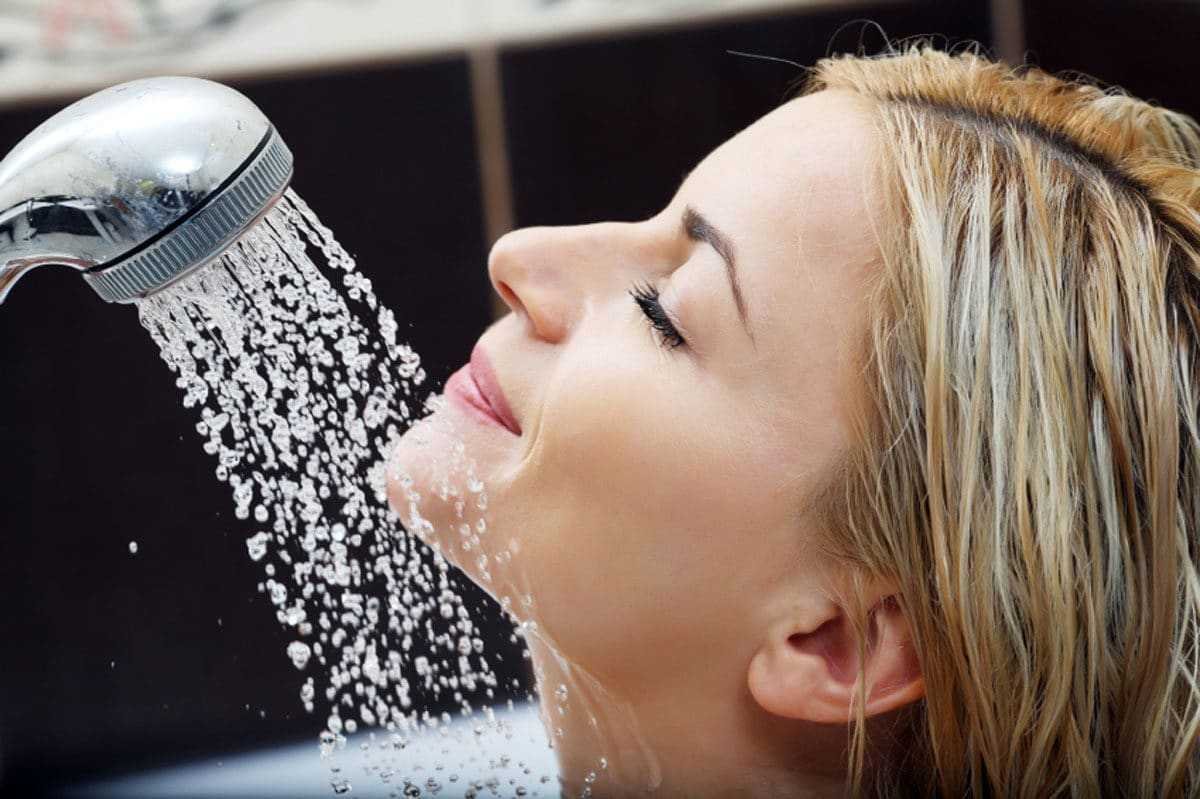
Starting your day with a quick switch between hot and cold water might sound like a shock to your system, but it’s actually a powerful way to boost blood flow and energize your body. Contrast showers can invigorate your circulation, helping to deliver oxygen and nutrients more effectively to your tissues while also flushing out toxins. This simple routine can improve your overall health, reduce muscle soreness, and increase your alertness. The key is in alternating temperatures: the hot water relaxes and opens blood vessels, while the cold constricts them, creating a pumping action that enhances circulation. Whether you’re an athlete or just looking for a natural way to feel revitalized, contrast showers are a quick, easy, and cost-effective solution to support your cardiovascular health.
Contrast showers (hot and cold) are an excellent way to stimulate circulation by alternating between temperatures. Hot water relaxes blood vessels, while cold water constricts them, creating a pumping effect that promotes better blood flow. This method can help improve overall health, reduce muscle soreness, and boost energy levels. A simple daily routine of switching between hot and cold water can make a noticeable difference in your circulation and well-being.
Incorporating contrast showers into your routine can have numerous health benefits. The alternation between hot and cold water helps to stimulate blood flow, improve oxygen delivery to tissues, and enhance the removal of metabolic waste. This natural therapy is easy to do at home and can significantly support your cardiovascular health and recovery process.

Using Contrast Showers (Hot and Cold) for Circulation
What Are Contrast Showers and How Do They Work?
Contrast showers involve alternating between hot and cold water during a shower. This technique stimulates blood flow by causing blood vessels to expand with hot water and contract with cold water. As a result, your circulation improves, bringing oxygen and nutrients more efficiently to tissues.
The key idea behind contrast showers is to create a “pumping” action in your blood vessels. When you switch from hot to cold water, it causes your blood vessels to tighten suddenly, which encourages blood to flow faster. Switching back to hot water makes the vessels relax again, continuing the cycle of improved circulation.
Benefits of Using Contrast Showers for Circulation
Contrast showers can offer several advantages for your circulatory system. They can:
- Increase blood flow throughout the body
- Reduce blood vessel stiffness
- Help prevent blood clots by promoting healthy circulation
- Reduce swelling and inflammation in tissues
- Boost overall cardiovascular health
Many people notice that regular contrast shower sessions can lead to more energy and faster recovery after exercise. This method also supports healthy blood pressure levels by keeping blood vessels flexible.
Why Hot and Cold Water Alternation Improves Circulation
Hot water causes blood vessels to widen, allowing more blood to reach the skin and muscles. Cold water causes blood vessels to narrow, redirecting blood flow to vital organs. Alternating between these two states encourages your body to adjust quickly, improving overall circulation.
This process also stimulates the lymphatic system, which helps remove toxins from your body. Better lymphatic flow can reduce swelling and promote healing, especially after physical activity or injury.
How to Practice Contrast Showers Safely
Start with warm water that is comfortable to the skin. Gradually increase the temperature to a hot but bearable level. Stay under hot water for about 2 to 3 minutes.
Next, switch the water to cold, aiming for a temperature that feels cool but not painfully cold. Stay in cold water for about 30 seconds to 1 minute. Repeat this cycle 3 to 5 times, ending with cold water to seal the benefits.
Always listen to your body—if cold water feels too extreme, opt for a less intense temperature. Consult a doctor if you have circulation issues or health conditions that may be affected by temperature changes.
Best Practices for Maximizing the Benefits of Contrast Showers
Consistency is key for seeing results. Aim to include contrast showers in your routine two to three times a week. Follow these tips:
- Gradually increase the duration of hot and cold phases over time
- Use a timer to keep track of each phase
- Stay relaxed and breathe deeply during transitions
- Pair contrast showers with light stretching to boost circulation further
- Stay hydrated before and after your shower session
Remember, patience is important as your body adapts to the practice. Don’t rush through the process, and enjoy the rhythmic flow that promotes circulation.
Incorporating Contrast Showers Into Your Daily Routine
A simple way to add contrast showers to your day begins with a regular shower. After cleansing, start with warm water, then switch to cold at your preferred interval. Over time, you can extend the hot phase and shorten the cold phase as your tolerance increases.
You can also combine contrast showers with other healthy habits like regular exercise, a balanced diet, and proper hydration. These combined efforts will further support healthy circulation and overall well-being.
Potential Precautions and When to Avoid Contrast Showers
While contrast showers are generally safe for most people, certain conditions require caution. Avoid contrast showers if you have:
- Severe hypertension
- Circulatory or cardiovascular problems
- Skin conditions or open wounds
- Cold intolerance or Raynaud’s disease
- Pregnancy without consulting a healthcare provider
If you experience dizziness, chest pain, or excessive discomfort during contrast showers, stop immediately and seek medical advice. Always consult your doctor if you are unsure about incorporating contrast showers into your routine.
The Science Behind Contrast Showers and Circulatory Health
Research supports that alternating hot and cold water stimulates the autonomic nervous system, which helps regulate blood vessel tone. It can also increase the production of nitric oxide, a molecule that promotes vasodilation, thereby improving blood flow.
Several studies have shown that contrast therapy can reduce symptoms associated with poor circulation, such as cold extremities and numbness. Regular use can strengthen blood vessel walls and improve overall vascular flexibility.
Additional Topics Related to Circulation and Contrast Showers
For a complete approach to health, consider exploring related topics such as:
Diet and Hydration for Healthy Circulation
Eating foods rich in antioxidants and staying well-hydrated support blood flow. Include fruits, vegetables, nuts, and omega-3 fatty acids in your diet for best results.
Exercise and Movement
Regular physical activity encourages circulation by engaging muscles and promoting blood vessel health. Simple activities like walking, yoga, and stretching can make a significant difference.
Other Natural Therapies
Methods such as massage, dry brushing, and meditation can complement contrast showers, further enhancing circulation and reducing stress.
Monitoring Your Progress
Track how your body responds to contrast showers by noting improvements in skin tone, energy levels, and reduction in cold extremities. Adjust your routine based on these observations for optimal benefits.
Enhancing circulation with contrast showers offers a natural, cost-effective way to support your health. By understanding how hot and cold water affect your blood vessels, you can incorporate this simple practice into your routine for better cardiovascular wellness.
How to do a Contrast Shower | Natural Remedy
Frequently Asked Questions
How do contrast showers help improve circulation naturally?
Contrast showers stimulate blood flow by alternating between hot and cold water. Hot water causes blood vessels to expand, increasing circulation, while cold water causes them to contract, which reduces swelling and improves vascular tone. This cycle encourages better blood movement throughout the body, supporting overall cardiovascular health.
What is the recommended duration for each hot and cold cycle in contrast showers?
For effective results, alternate between hot and cold water for about 30 seconds to 1 minute each. Repeat the cycle 3 to 4 times, ending with a cold shower to help constrict blood vessels and promote circulation. Adjust the timing based on your comfort level, but avoid prolonged exposure to extreme temperatures.
Can contrast showers assist in reducing muscle soreness after workout sessions?
Yes, contrast showers can aid in alleviating muscle soreness by enhancing blood flow to fatigued muscles. The temperature changes help flush out metabolic waste products and deliver nutrients needed for recovery, making them a useful addition to post-exercise routines.
Are there any precautions to consider when using contrast showers for circulation improvement?
Individuals with cardiovascular issues, high blood pressure, or skin conditions should consult a healthcare professional before trying contrast showers. Always avoid extreme temperatures that could cause discomfort or adverse reactions, and listen to your body to prevent overexposure to hot or cold water.
Final Thoughts
Using contrast showers (hot and cold) for circulation helps stimulate blood flow and improve overall health. Alternating temperatures creates a pump effect, which encourages better circulation throughout the body. This practice can boost energy levels and aid in muscle recovery. Regularly incorporating contrast showers offers a simple way to support cardiovascular health naturally.
As an Amazon Associate, We earn from qualifying purchases. When you purchase a product through Amazon links on pulsefitguide.com, we may earn a small commission at no extra cost to you. This helps support the site and keep our content free.
