


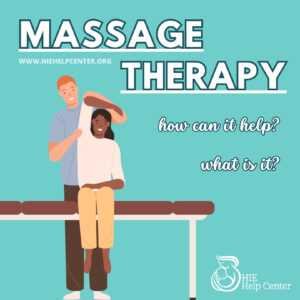
To instantly boost circulation and ease tension, massaging tight muscles can be a game-changer. By applying targeted pressure and gentle strokes, you stimulate blood flow and help your muscles relax more quickly. Regular massage not only relieves tightness but also promotes overall better circulation, reducing soreness and preventing future stiffness.
Massaging tight muscles is an effective way to enhance blood flow and relax stiff areas. Using simple techniques such as kneading, tapping, and applying pressure can significantly improve circulation, helping muscles recover faster and feel more flexible. Incorporating massage into your routine can leave you feeling revitalized and healthier overall.
When muscles become tight, they restrict blood flow, leading to discomfort and sluggishness. Massage therapy offers a natural solution by loosening up these stubborn muscles and encouraging better circulation. Whether you’re experiencing soreness from exercise or daily stress, targeted massage can provide immediate relief and long-term benefits by increasing oxygen delivery and removing metabolic waste. It’s an accessible, drug-free approach to maintaining muscle health and promoting relaxation, making it an essential practice for anyone looking to improve their physical wellbeing.

Massaging tight muscles to improve circulation
Massaging tight muscles is a simple yet effective way to enhance blood flow throughout your body. Poor circulation can cause discomfort, stiffness, and fatigue, but targeted massage techniques can help improve this. When muscles are tight, they restrict blood flow, which reduces oxygen and nutrient delivery to tissues. Massaging these muscles helps relax them and allows blood to circulate more freely.
Understanding muscle tightness and its impact on circulation
Muscle tightness often results from overuse, stress, or injury. When muscles stay tight for a long time, they can develop knots or trigger points that hinder blood flow. This leads to symptoms such as soreness, swelling, or numbness. Good circulation is vital for healing and overall health, making it important to address muscle tension.
What causes muscle tightness?
- Overexertion: Exercising too hard or too long can cause muscles to become overly tense.
- Stress and anxiety: Stress causes muscles to tighten as part of the body’s natural response.
- Poor posture: Sitting or standing incorrectly puts strain on certain muscles, leading to tightness.
- Injury or inflammation: Damage or inflammation can cause muscles to tighten to protect the area.
Effects of tight muscles on circulation
When muscles are tight, they compress nearby blood vessels, restricting the flow of blood. This can cause a cycle where less blood leads to less oxygen and nutrients, making muscles more prone to fatigue and injury. Improving circulation helps reduce soreness, speed recovery, and promote overall muscle health.
Benefits of massaging tight muscles for enhancing circulation
Massaging tight muscles offers multiple benefits beyond just relaxation. It helps break down adhesions and knots that block blood flow. Improved circulation delivers more oxygen and nutrients, which supports tissue repair and reduces inflammation. Regular massage can also boost lymphatic flow, helping remove toxins from muscles.
Key benefits include:
- Reduced muscle soreness: Massage alleviates tension and eases discomfort.
- Enhanced blood flow: Better circulation supports healing and energy levels.
- Decreased risk of injury: Relaxed muscles are less likely to strain or tear.
- Stress reduction: Massage promotes relaxation, reducing muscle tension caused by stress.
Effective massage techniques for tight muscles
Swedish massage
This gentle technique involves long, smooth strokes to warm up muscles and increase circulation. It is perfect for general relaxation and loosening tight muscles. Light to moderate pressure helps promote blood flow without causing discomfort.
Deep tissue massage
Focusing on deeper muscle layers, this technique uses firm pressure to break up knots and adhesions. It is effective for chronic tightness and injury recovery. Since it can be intense, communication with the therapist is important to avoid overdoing it.
Trigger point therapy
This specialized technique targets specific points of tightness or pain within muscles. Applying sustained pressure helps release these trigger points, improving local blood flow. It is particularly beneficial for stubborn knots and muscle pain.
Self-massage methods
- Foam rolling: Using a foam roller helps loosen tight muscles and fascia.
- Hand massage: Using your hands or massage tools to apply pressure to sore areas.
- Stretching combined with massage: Light stretching before or after massage enhances flexibility and circulation.
How to effectively massage tight muscles at home
To massage tight muscles yourself, focus on areas where you feel tension or discomfort. Use firm but comfortable pressure, and work in circular or long strokes. Regularly massaging problem areas can maintain muscle flexibility and circulation improvements.
Steps for a simple self-massage
- Identify tight or sore muscles, such as shoulders or calves.
- Apply gentle pressure with your fingers, thumb, or a massage tool.
- Use circular motions or long strokes along the muscle fibers.
- Maintain steady pressure for about one to two minutes per spot.
- Finish with gentle stretching to relax muscles further.
Additional tips for improving circulation through massage
- Stay hydrated: Drink plenty of water before and after massage to help flush out toxins.
- Combine massage with exercise: Light activity like walking amplifies circulation benefits.
- Maintain good posture: Proper alignment reduces muscle strain and tightness.
- Regular sessions: Consistent massage habits support ongoing circulation and muscle health.
Precautions and when to see a professional
If you have a medical condition, blood clotting issues, or recent injuries, consult a healthcare professional before massage. Overly aggressive massage can worsen pain or injury in some cases. Seek professional help if pain persists or worsens despite self-care efforts.
Related topics to enhance circulation and muscle health
Complementary practices
- Stretching: Keeps muscles flexible and reduces tightness.
- Aerobic exercise: Activities like walking, cycling, or swimming boost overall circulation.
- Hydrotherapy: Warm baths or hydrotherapy sessions relax muscles and improve blood flow.
- Proper nutrition: Eating foods rich in antioxidants and anti-inflammatory compounds supports muscle recovery.
Using heat and cold therapy
Applying heat increases blood flow and relaxes muscles, making massage more effective. Cold therapy can reduce inflammation and numb soreness after intense activity. Alternating between heat and cold can optimize circulation and healing.
Massaging tight muscles brings significant benefits by improving circulation and promoting relaxation. Whether performed professionally or at home, incorporating massage techniques can help reduce tightness, alleviate pain, and support overall muscle health. Consistent care and proper techniques make a noticeable difference in how your muscles function and recover.
Better Circulation to Legs & Feet! Dr. Mandell
Frequently Asked Questions
How do massage techniques help reduce muscle tightness and improve blood flow?
Massage techniques apply pressure and movement to muscles, which loosens tight fibers and stimulates blood circulation. Enhanced blood flow delivers more oxygen and nutrients to the tissues, accelerating recovery and reducing soreness. Regular massage sessions can gradually decrease muscle tension and promote overall muscular health.
What are the best types of massage for relieving muscle tightness and boosting circulation?
Deep tissue massage and Swedish massage are highly effective for addressing muscle tightness and enhancing circulation. Deep tissue massage targets the inner layers of muscles to break down adhesions, while Swedish massage uses gentle, rhythmic strokes to increase blood flow and relax the muscles. Combining different techniques can offer comprehensive relief and circulation benefits.
How often should someone massage tight muscles to see improvements in circulation?
For noticeable benefits, schedule massages at least once a week, especially if experiencing persistent muscle tightness. Consistent sessions help maintain muscle flexibility, prevent further tension buildup, and continuously promote healthy circulation. Adjust the frequency based on individual needs and response to treatment.
Final Thoughts
Massaging tight muscles to improve circulation offers immediate relief and enhances overall muscle health. Gentle, targeted pressure encourages blood flow, reducing stiffness and soreness. Regular massage sessions promote better movement and faster recovery. In conclusion, massaging tight muscles to improve circulation effectively alleviates tension and boosts muscle function, supporting your active lifestyle.
As an Amazon Associate, We earn from qualifying purchases. When you purchase a product through Amazon links on pulsefitguide.com, we may earn a small commission at no extra cost to you. This helps support the site and keep our content free.
