


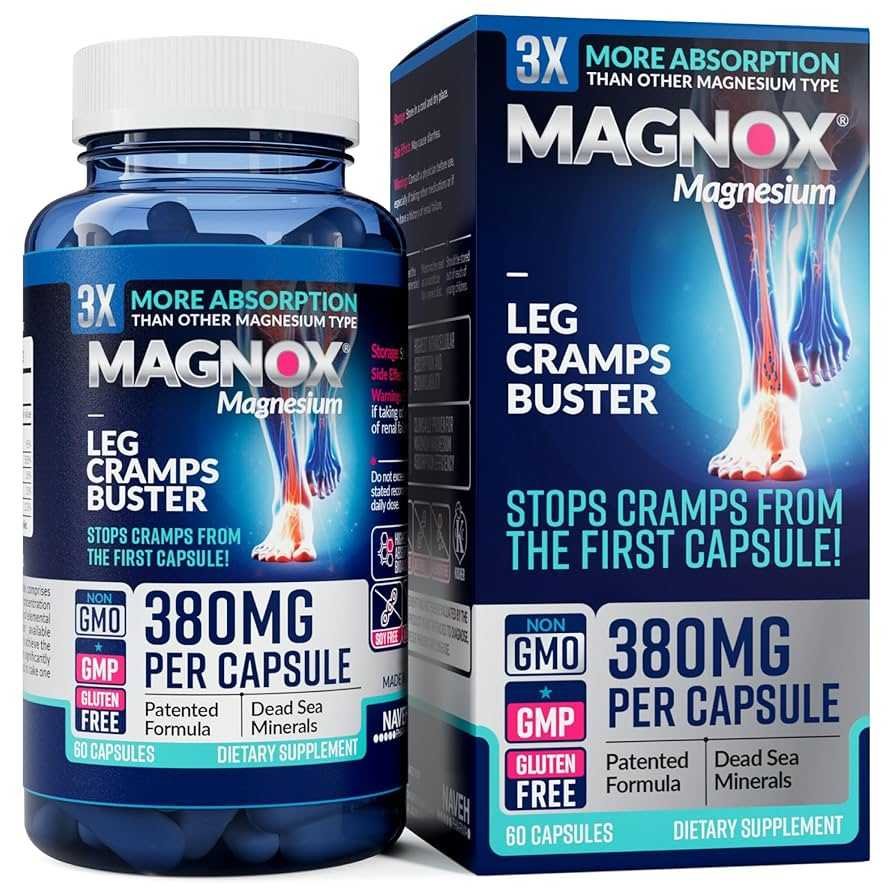
Magnesium supplements can be a helpful remedy for muscle cramps, providing relief when cramps strike unexpectedly. For many people, taking magnesium can reduce the frequency and severity of these painful spasms, especially during intense physical activity or times of mineral deficiency. In short, if you suffer from frequent muscle cramps, adding magnesium to your routine may offer a natural and effective solution—just be sure to consult with a healthcare professional first.
Muscle cramps can be both annoying and disruptive, affecting quality of life and workout routines. Magnesium plays a key role in muscle function and relaxation, making it a popular supplement for those plagued by cramps. While not a guaranteed cure for everyone, many find that increasing their magnesium intake helps ease these involuntary spasms, especially when combined with proper hydration and balanced nutrition. Understanding how magnesium works and how to incorporate it safely can make a significant difference in managing muscle cramps effectively.

Taking magnesium supplements for muscle cramps
Many people experience muscle cramps, especially at night or after exercise. These sudden, painful contractions can disrupt sleep and daily life. Researchers have found that magnesium supplements may help reduce the frequency and severity of these cramps.
Understanding muscle cramps and their causes
What are muscle cramps?
Muscle cramps are involuntary contractions that cause intense pain. They often happen in the legs, calves, or feet. Cramps can last from a few seconds to several minutes.
Common causes of muscle cramps
- Dehydration
- Electrolyte imbalances
- Overexertion during physical activity
- Prolonged sitting or standing
- Pregnancy or hormonal changes
- Certain medications or medical conditions
Role of magnesium in muscle function
Magnesium as a vital mineral
Magnesium is essential for muscle health. It helps regulate muscle contractions and relaxations, preventing cramping. This mineral also supports nerve function and energy production.
How magnesium impacts muscle cramps
When magnesium levels are low, muscles may contract more easily and stay contracted longer. Supplementing magnesium can restore proper balance, reducing cramp frequency.
Research on magnesium supplements for muscle cramps
Scientific studies overview
Several studies indicate that magnesium supplements can lessen nighttime leg cramps. For example, a 2012 study showed a significant decrease in cramps among participants taking magnesium.
Limitations of research
Some research has mixed results, showing benefits for certain groups but not all. Factors like initial magnesium levels and the type of supplement used influence outcomes.
Types of magnesium supplements available
Common forms of magnesium supplements
- Magnesium citrate: Well-absorbed and often used for supplementing magnesium levels.
- Magnesium oxide: Less expensive but may have lower absorption rates.
- Magnesium chloride: Easily absorbed and good for muscle health.
- Magnesium glycinate: Known for being gentle on the stomach and highly bioavailable.
- Magnesium sulfate: Usually used in baths but available in oral form for supplementation.
Choosing the right supplement
Think about absorption, tolerance, and dosage when selecting a magnesium supplement. Consulting with a healthcare provider helps determine the best option for individual needs.
Recommended dosages and safety considerations
Daily magnesium intake guidelines
Adults typically need 310 to 420 milligrams daily. Higher doses may be recommended for muscle cramps, but consulting a doctor is best before increasing intake.
Potential side effects and risks
- Diarrhea or gastrointestinal discomfort
- Interactions with medications such as antibiotics or blood pressure drugs
- Risk of magnesium overdose, which can cause irregular heartbeat or low blood pressure
Signs of magnesium deficiency
Persistent muscle cramps, fatigue, irregular heartbeat, and neurological issues might indicate a deficiency that requires attention.
How to incorporate magnesium supplements into your routine
Timing and dosage tips
Taking magnesium in the evening can help reduce cramps during sleep. Start with a smaller dose and gradually increase if needed, following healthcare advice.
Complementary lifestyle practices
- Stay well-hydrated throughout the day.
- Maintain a balanced diet rich in magnesium-rich foods.
- Stretch regularly, especially before bed.
- Limit caffeine and alcohol intake, which can deplete magnesium.
Magnesium-rich foods to support muscle health
Food sources high in magnesium
| Food | Magnesium per serving |
|---|---|
| Almonds | 80 mg per ounce |
| Spinach | 157 mg per cooked cup |
| Black beans | 120 mg per half-cup cooked |
| Dark chocolate | 64 mg per ounce |
| Avocado | 58 mg per medium fruit |
Incorporating magnesium foods into your diet
Eat a variety of magnesium-rich foods daily to support overall muscle health. Combining diet and supplements may offer the best results in preventing cramps.
Monitoring effectiveness and adjusting treatment
Signs that magnesium is helping
Less frequent cramps, reduced pain intensity, and improved sleep quality are signs of positive effects.
When to seek medical advice
If cramps persist despite supplementation or if side effects occur, consult a healthcare provider for further evaluation and tailored recommendations.
Additional therapies and approaches
Other supplements that may help
- Potassium: Supports electrolyte balance.
- Calcium: Works alongside magnesium for muscle contractions.
- Vitamin D: Helps improve magnesium absorption.
Physical therapy and exercise
Gentle stretching and strengthening exercises can improve muscle flexibility and reduce cramps over time. Regular activity promotes better circulation and muscle function.
Preventing muscle cramps naturally
Stay hydrated
Drink plenty of water, especially during hot weather or after exercise. Proper hydration helps prevent electrolyte imbalances that cause cramps.
Maintain electrolyte balance
Consume foods rich in potassium, magnesium, calcium, and sodium. Balanced electrolytes support healthy muscle function.
Regular stretching routines
Stretch your calves, thighs, and other affected muscles daily. This helps prevent tightness and reduces the risk of cramps occurring.
Limit triggers such as caffeine and alcohol
These substances can dehydrate you and deplete magnesium levels, increasing your risk of cramps.
By combining magnesium supplementation with dietary choices, hydration, and stretching, you can better manage muscle cramps. Always talk to your healthcare provider before starting new supplements or routines to ensure safety and effectiveness.
How to Choose the Best Magnesium Supplements for Sleep, Anxiety, Leg Cramps and More
Frequently Asked Questions
What are the recommended dosages for magnesium supplements to help with muscle cramps?
General guidance suggests taking between 200 to 400 milligrams of magnesium daily. It’s best to start with a lower dose to see how your body reacts and gradually increase if needed. Always follow the instructions on the supplement label or consult with a healthcare professional to determine the appropriate dosage based on your individual health status and requirements.
Can taking magnesium supplements cause any side effects or interactions?
While magnesium supplements are usually safe when taken as directed, some individuals may experience side effects such as diarrhea, nausea, or stomach upset. Magnesium can also interact with medications like antibiotics and diuretics, potentially affecting their effectiveness. It’s important to discuss your supplement routine with your healthcare provider, especially if you take other medications or have underlying health conditions.
Are there specific forms of magnesium that are more effective for relieving muscle cramps?
Different forms of magnesium, such as magnesium citrate, magnesium glycinate, or magnesium oxide, vary in bioavailability and absorption rates. Magnesium citrate and glycinate are known to be better absorbed by the body and may provide more effective relief for muscle cramps. Consult with a healthcare provider to identify the most suitable form for your needs and ensure safe and effective supplementation.
How long does it typically take to notice improvements after starting magnesium supplements?
Many individuals begin experiencing relief from muscle cramps within a few days to a week of consistent use. However, the timeline can vary based on factors like the severity of deficiencies, dosage, and overall health. Maintain regular supplementation and monitor your symptoms to assess changes, and consult a healthcare professional if you do not see improvement or have concerns.
Is it necessary to combine magnesium supplements with other strategies to prevent muscle cramps?
While magnesium supplements can help reduce muscle cramps, combining them with other approaches enhances effectiveness. Staying well-hydrated, stretching regularly, and maintaining a balanced diet rich in electrolytes support muscle health. Addressing these factors together can improve overall results and reduce the frequency of cramps.
Final Thoughts
Taking magnesium supplements for muscle cramps can be an effective way to reduce discomfort. Magnesium helps relax muscles and prevents spasms, providing relief for many individuals.
When considering supplements, choose quality products and consult a healthcare professional to determine the right dosage. Consistency is key to seeing benefits over time.
Incorporating magnesium into your routine may improve overall muscle health and decrease cramps. Stay attentive to your body’s responses and adjust as needed.
Taking magnesium supplements for muscle cramps offers a practical approach to managing and alleviating symptoms naturally.
As an Amazon Associate, We earn from qualifying purchases. When you purchase a product through Amazon links on pulsefitguide.com, we may earn a small commission at no extra cost to you. This helps support the site and keep our content free.
